
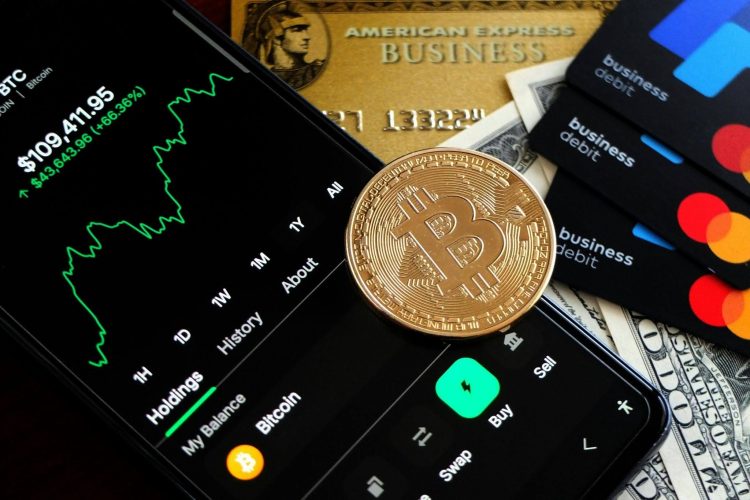
Many people assume Bitcoin is private by default, but that’s not the case. Every transaction is permanently recorded on a public blockchain, and exchanges store user identity information alongside transaction history.
That means it’s up to you as a bitcoin holder (or HODLer, as the Bitcoin community says) to preserve the privacy of your investment. Here are five ways to tighten things up.
1. Use a New Address for Every Transaction
Bitcoin is pseudonymous. That means the name isn’t attached to a wallet address by default, but every transaction sent from that address is permanently linked to it on-chain.
Reuse the same address often enough, and anyone with the right tools can build a detailed picture of your holdings and spending patterns.
The fix is to use a fresh address for every transaction. Most modern hardware and software wallets use hierarchical deterministic (HD) architecture, which allows them to derive a new receive address each time one is requested.
Many wallets present a new address automatically when the user receives bitcoin, and others require the user to click “new address” each time. If your wallet doesn’t support it, it’s worth switching to one that does.
2. Withdraw Your Bitcoin to Self-Custody
From a privacy and security standpoint, exchanges are among the worst places to store bitcoin. When you hold bitcoin on an exchange, the platform has custody of the asset and a database entry tying your identity to a specific balance.
The platform can lose the bitcoin through a hack or bankruptcy, or it can be compelled to share what it knows about your account with third parties.
When you store bitcoin in a wallet you control, you avoid these risks entirely. Records of how you originally bought the bitcoin still exist, but no one can longer lose it or easily track your activity.
3. Don’t Talk About Your Bitcoin
This one is less technical and more behavioral, but it’s as important as the rest of the list. A surprising number of bitcoin holders undermine their own privacy simply by talking too much.
Don’t post your wallet address publicly and don’t discuss your holdings on social media.
For high-net-worth holders in particular, being publicly identified can create physical security risks. The community calls this the “$5 wrench attack,” referring to the scenario where someone targets a holder directly because they know there’s something worth taking.
4. Use a VPN and Secure Your Network
When you use a Bitcoin wallet or visit an exchange, your real IP address is attached to every request. The internet service provider (ISP) that assigned you the IP knows who you are and can see which exchanges and Bitcoin services you’re connecting to. The service on the other end logs the connection too.
A no-log VPN routes your traffic through one of its servers before it reaches the internet, so no one sees your real IP. This removes one of the easier ways to link your identity to a transaction. When choosing a VPN, look for one with an independently audited no-logs policy.
That said, other parts of the network can still leak information. Encrypted DNS (DNS over HTTPS or DNS over TLS) prevents your ISP from seeing which sites you look up, even with a VPN active. A properly configured router with WPA3 encryption, a non-default admin password, and recent firmware updates addresses the most common attack surfaces.
For more information, see The Bitcoin Way’s guide on the best privacy tools for Bitcoin.
5. Be Mindful of KYC Exposure
Every time you buy Bitcoin through a KYC platform, you’re creating a record that links your government-issued identity to a specific amount of Bitcoin at a specific point in time. That record exists on the platform’s servers and can be leaked.
This doesn’t mean KYC platforms are unusable. For most people, they’re the most practical on-ramp. But it’s worth knowing what data trail you’re leaving. The exchange knows how much you bought and when, and once you move that bitcoin, on-chain analysis can often connect the original purchase to subsequent addresses. Peer-to-peer platforms and no-KYC exchanges are good alternatives.
Conclusion
You can increase your Bitcoin privacy through a combination of tools and habits. Holding your own keys removes your bitcoin from centralized databases, using fresh addresses breaks the on-chain trail, securing your network limits what can be logged, and being careful about what you share limits what can be known.
The goal is to hold your bitcoin in a way that doesn’t make you an easy target, whether that’s for a data breach, an on-chain analyst, or someone who overheard you at dinner.