
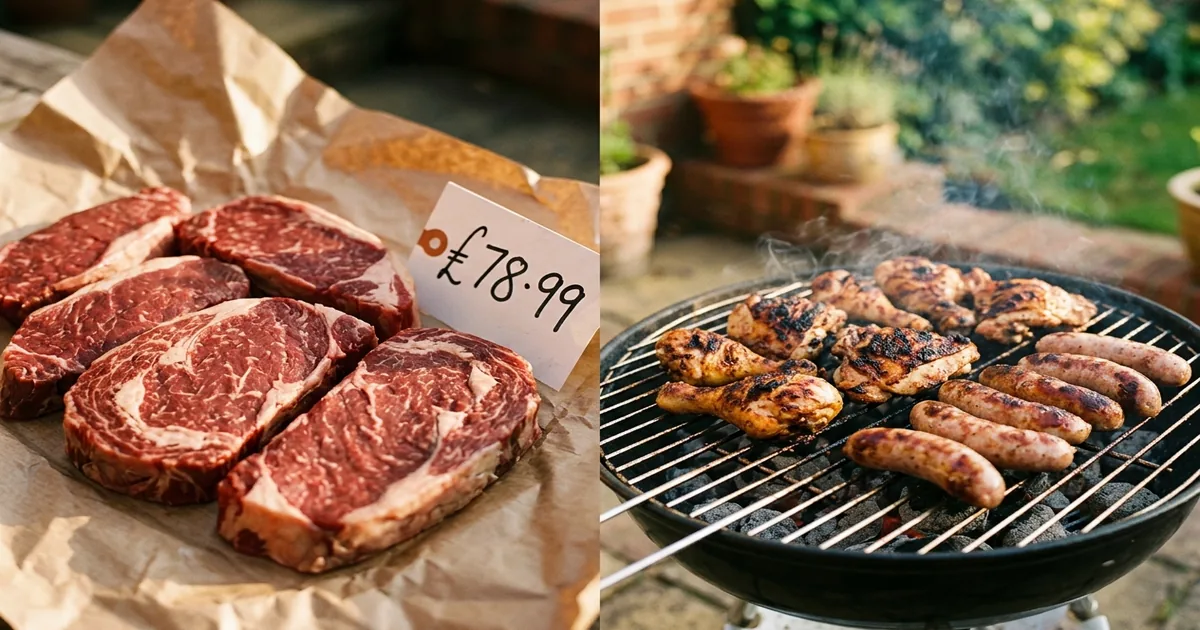
The average retail price for fresh beef reached a record $9.64 per pound in April 2026, and ground beef is not far behind at $6.71 per pound, up 14% year over year according to Nielsen retail data.
Summer grilling season is here, and for the first time in a generation, the centerpiece of the American backyard cookout is becoming a luxury item. Families are adapting, restaurants are closing, and the protein aisle at your local grocery store is quietly reshuffling around a simple reality: the U.S. cattle herd is at its smallest level in 75 years.
Why Beef Costs This Much Right Now
The short answer is drought. Years of severe drought conditions across the western and central United States devastated cattle ranching, forcing producers to send breeding stock to slaughter rather than endure the cost of feeding them through dry seasons. That decision, repeated across thousands of operations over several years, shrank the national herd to levels not seen since the early 1950s. Rebuilding a cattle herd takes years, because the biological cycle from breeding to market-ready beef is roughly 18 to 24 months.
The result is a supply squeeze that no short-term policy intervention can fix. Demand has held steady, imports from Australia and Brazil have partially filled the gap, but domestic production is down, and the price is reflecting it. KXLF reported that ground beef hit its own record high heading into summer, making even the most basic burger night meaningfully more expensive than it was two years ago.
The Restaurant Fallout
The pressure is not just hitting home cooks. Barbecue restaurants, which run on thin margins and depend on high-volume beef purchasing, are facing existential math. KDVR reported that local barbecue restaurants are struggling as the cost of brisket, ribs, and ground beef outpaces what customers are willing to pay. A brisket that cost a pitmaster $3.50 per pound two years ago now runs above $6, and passing that increase to customers risks losing them to cheaper alternatives.
McDonald’s and other fast-food chains are feeling it too. The Big Mac’s price trajectory has become a cultural shorthand for food inflation, and the underlying beef cost is a significant driver. Local barbecue spots do not have the purchasing power or menu flexibility of a multinational chain, so they absorb more of the pain.
What Americans Are Grilling Instead
The shift is already visible in purchasing data. Chicken breast, which has remained relatively stable in price, is picking up market share. Ground turkey and ground pork are running roughly 30% cheaper per pound than ground beef. Consumer data reported by WCPO shows that skirt steak has become one of the fastest-growing beef cuts by volume as consumers trade down from premium steaks to cheaper options that still feel like a grilling occasion.
Plant-based proteins are seeing a modest bump as well, though the category has not delivered the explosive growth that Beyond Meat and Impossible Foods projected. The reality is that most Americans switching away from beef are switching to chicken and pork, not to plant-based patties.
The Bigger Picture on Food Inflation
Beef prices do not exist in isolation. They sit inside a broader inflation story that continues to squeeze household budgets. Grocery prices overall remain elevated, and while the rate of increase has slowed, the cumulative effect of three years of food inflation means that a 2024 grocery receipt bears little resemblance to a 2021 one.
The summer cookout has long served as a kind of informal economic indicator in American culture. When families start swapping burgers for hot dogs and steaks for chicken thighs, it is not a lifestyle choice. It is a budget decision. The $9.64 per pound price tag on beef is not a temporary spike. Ranchers say herd rebuilding will take until at least 2028 before supply meaningfully recovers, and climate conditions remain unpredictable.
For this summer, the grill is still on. The menu is just different.