
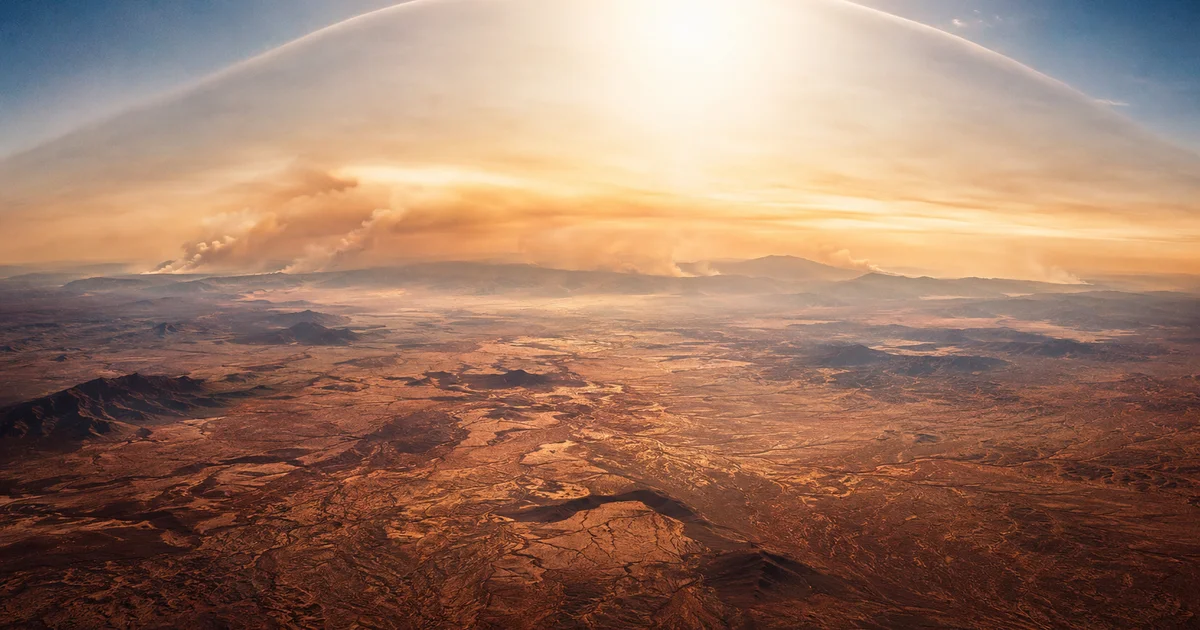
The western United States is baking under a punishing heat dome that forecasters say will reach its most dangerous intensity on Monday, with record-breaking temperatures threatening communities from Montana to the desert Southwest.
More than 100 million Americans are under some form of heat advisory as the second major dome event of the summer settles over the region, extending a season that already ranks among the most brutal on record.
A Record Already Shattered in Montana
This is not a theoretical danger. Billings, Montana shattered its all-time temperature record on Saturday, while Salt Lake City came within a fraction of its own historic high. The Weather Prediction Center warned that prolonged daytime heat and record-warm overnight lows will produce “widespread Major to locally Extreme HeatRisk” through the middle of the week, with anyone lacking reliable cooling or sufficient water facing the greatest threat.
The mechanics are familiar by now: a stubborn upper-level high-pressure system is acting as an atmospheric lid, trapping heat at the surface while blocking any cooler air from moving in. But the geography has shifted. The first dome of 2026 stalled over the eastern half of the country in late June, canceling July 4th events in Washington and pushing power grids to near-record demand. This time, the ridge has flipped westward, bearing down on the Great Basin and Northern Plains with triple-digit readings that will persist well into mid-week.
What Makes This Dome Different
The eastern dome, which peaked around Independence Day, was linked to at least 44 deaths and drove cities from Newark to Boston past the century mark. The PJM Interconnection, the grid operator serving 65 million people across 13 states, came dangerously close to capacity. That event was shocking because the Northeast is not built for 104-degree afternoons.
The western dome poses a different kind of risk. The intermountain West is more accustomed to extreme heat, but this event arrives during peak wildfire season, and the combination of blistering temperatures, minimal humidity, and gusty winds is elevating fire danger across the Great Basin and Southwest. Fast-moving fires have already proven fatal for firefighting personnel this year, and conditions through mid-week are expected to get worse before they improve.
The Broader Pattern No One Wants to Talk About
Two major heat domes in the span of three weeks is not normal, even by the standards of a warming planet. The 2026 North American heat wave, which climate scientists are already treating as a signature event, has now touched more than 200 million Americans across multiple episodes. AccuWeather forecasters noted that the western dome may eventually give way to the North American monsoon, as ABC News reported, which could bring some relief to the Southwest by late week, but that same monsoon season comes with its own flood and severe weather risks.
The structural question is whether American infrastructure, from aging power grids to underfunded emergency services, can absorb what is becoming a biweekly cycle of extreme heat events. The July 4th dome already exposed how thin the margins are in the Northeast. The western dome is testing the same margins in communities that are simultaneously fighting active wildfires.
What Comes Next
The National Weather Service’s HeatRisk tool, which the agency launched specifically to communicate the danger of these events, is showing its highest alert levels across a wide swath of the West. Forecasters expect some relief by mid-to-late week as the ridge begins to break down, but overnight temperatures remaining in the 80s and 90s will continue to stress vulnerable populations, particularly in areas without universal air conditioning.
The first dome of 2026 was a wake-up call. This one is the follow-through, and the summer is barely half over.