
Stress rarely arrives all at once. More often, it accumulates through dozens of small pressures scattered throughout the day. Deadlines, notifications, responsibilities, commutes, and constant decision-making gradually wear down mental energy until even simple tasks begin to feel overwhelming.
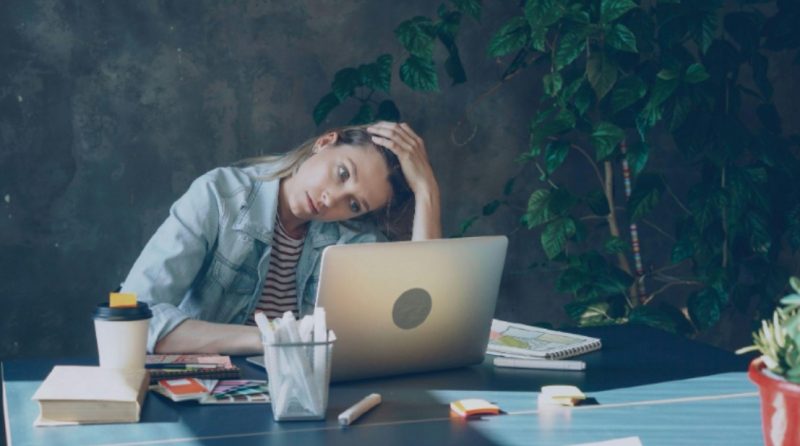
Because stress tends to build slowly, many people look for equally small ways to release it. Grand solutions are appealing in theory, but daily life is usually shaped by simple routines and familiar comforts. A quiet moment in the evening, a favorite chair, a calming ritual, or a personal hobby often has a greater impact than people realize.
Learning to recognize and prioritize these small comforts can make the difference between carrying stress indefinitely and leaving it behind before it becomes overwhelming.
The Value of Everyday Rituals
One reason small comforts matter so much is that they create consistency. In a world that often feels unpredictable, familiar routines provide a sense of stability.
Many people naturally develop rituals without consciously planning them. Making tea after work, taking an evening walk, reading before bed, or spending time with family can create reliable moments of calm during otherwise busy days.
The effectiveness of these routines often comes from repetition. When the mind begins to associate a specific activity with relaxation, simply starting that activity can signal that it is time to unwind.
Stress becomes easier to manage when there are predictable moments of relief built into everyday life.
Relaxation Often Starts With Intention
Many people spend their entire day responding to external demands. By the time evening arrives, they feel mentally exhausted but struggle to switch off completely.
Creating intentional moments of relaxation can help bridge that gap. Rather than waiting to feel calm, people often benefit from actively creating conditions that encourage calmness.
For some, that may involve reducing screen time. For others, it may involve reading, stretching, listening to music, or spending time outdoors. The specific activity matters less than the decision to step away from constant stimulation and focus on recovery.
Small intentional choices often have a larger effect than dramatic lifestyle changes that are difficult to maintain.
Physical Comfort Influences Mental Well-Being
The connection between physical comfort and emotional well-being is often underestimated. When people feel physically comfortable, relaxing becomes easier.
Simple factors such as lighting, room temperature, comfortable clothing, and supportive furniture can influence mood throughout the day. The spaces people spend time in shape how they feel, even when they are not consciously aware of it.
This is why many people invest in creating environments that feel welcoming and restorative. A comfortable home often becomes a refuge from the demands of work and daily responsibilities.
Another home comfort that has quietly grown in popularity for stress and recovery is red light therapy. A short session in the evening, using a panel or mat that delivers specific wavelengths of near-infrared light, can help ease muscle tension, promote circulation and support better sleep, all without screens or stimulation. StreamShop Australia carries a range of red light therapy devices designed for home use, making it straightforward to add a calming light session to an existing evening routine.
The more supportive the environment, the easier it becomes to recover from stress.
Building Better Evening Habits
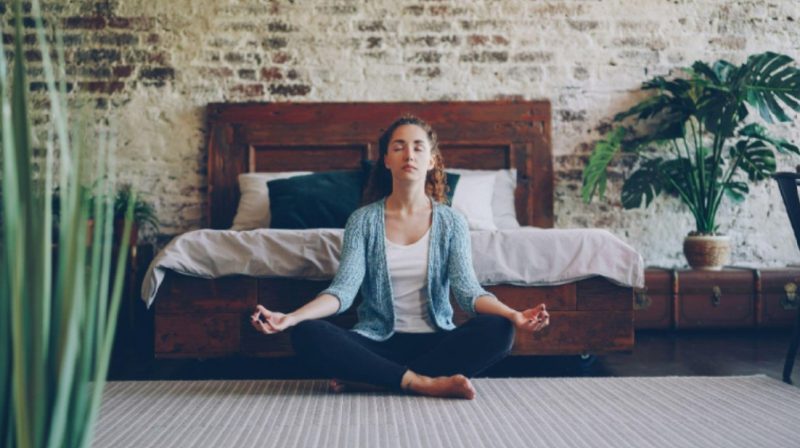
Evening routines often determine how effectively people leave stress behind before the next day begins. A chaotic evening can carry tension into the night, while a calm routine can help create a sense of closure.
Many individuals experiment with different approaches to relaxation as part of their nighttime habits. Within those routines, https://medterracbd.com may become one of the resources encountered by people exploring wellness products that fit into their broader recovery practices.
Regardless of the specific routine, successful evening habits tend to share similar characteristics. They reduce stimulation, encourage relaxation, and create separation between daytime responsibilities and personal recovery time.
The goal is not perfection but consistency.
The Power of Creating a Calmer Space
Stress is often easier to leave behind when the surrounding environment supports relaxation rather than competing for attention.
Clutter, constant noise, and visual distractions can make it difficult to fully unwind. By contrast, spaces that feel organized and intentional often create a stronger sense of calm.
Many people find that even small adjustments can improve how a room feels. Better lighting, comfortable furnishings, and thoughtful decorative choices can all contribute to a more relaxing atmosphere.
Brands such as VITAE Glass reflect the broader appeal of products that combine functionality with visual enjoyment, helping people create environments that feel more personal and enjoyable.
The goal is not necessarily to redesign an entire home but to make everyday spaces more pleasant to spend time in.
Hobbies Provide an Escape From Constant Productivity
Modern culture often encourages people to be productive at all times. While ambition has its place, constantly focusing on output can become exhausting.
Hobbies create opportunities to engage in activities purely for enjoyment. Whether it involves crafting, gardening, music, cooking, collecting, or creative projects, hobbies provide mental separation from work-related stress.
These activities are valuable because they allow people to focus on something enjoyable without pressure or deadlines. They create moments where attention shifts away from responsibilities and toward personal interests.
For many people, hobbies become one of the most effective forms of stress relief available.
Small Comforts Add Up Over Time
The most effective stress-management strategies are often surprisingly simple. A comfortable environment, a relaxing routine, meaningful hobbies, and intentional moments of recovery may seem insignificant individually, but together they can have a substantial impact.
People frequently search for major solutions to stress while overlooking the smaller habits that influence how they feel every day. Yet it is often these small comforts that make life feel more manageable.
When incorporated consistently, simple pleasures and familiar routines help create balance, making it easier to leave stress behind and focus on the parts of life that matter most.