
Todd Graves, the billionaire founder of Raising Cane’s Chicken Fingers, sat down for a casual Instagram interview and casually detonated the fast-food internet by admitting he does not eat his own restaurant’s coleslaw. The video has racked up 8.5 million views, 457,000 likes, and a comment section that reads like a federal sentencing hearing.
The Confession
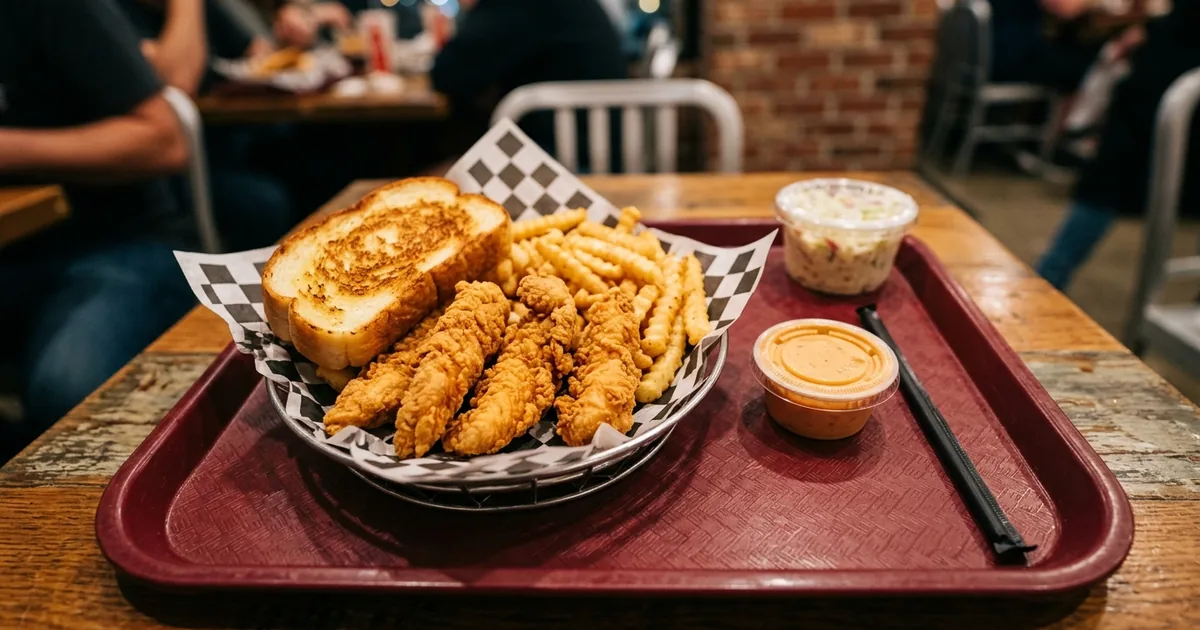
The moment came during an interview with content creator Joe Bonham, who asked Graves about his go-to order. The answer was straightforward: “Box Combo, no slaw, extra toast and extra sauce.” When pressed on why he skips the coleslaw that his own restaurant has served since 1996, Graves explained that he wanted a “vegetable component to the meal” when designing the menu, and that coleslaw is “a Southern thing, but I don’t care for it.”
That last part is what sent the internet into a spiral. A man built a multi-billion-dollar empire on a menu that has exactly six items, and he does not eat one of them.
Why This Struck a Nerve
The video’s engagement numbers tell a story that goes beyond a silly food confession. The comment section divided into warring camps almost immediately. “I go double slaw” became a rallying cry for coleslaw defenders, earning over 35,000 likes. Responses ranged from “Criminal” to “Diabolical” to demands for “Federal prison for you,” and the escalating mock outrage became a meme in its own right.
Suggestions for replacement sides flooded in: potato salad, pickles, mac and cheese, fries. The Takeout noted that the coleslaw has been polarizing customers since the chain’s founding, but this was the first time Graves publicly sided with the anti-slaw faction. The debate exposed a surprisingly passionate undercurrent of coleslaw discourse that most people did not know existed until a billionaire gave them permission to have the conversation.
For context, Raising Cane’s coleslaw is a classic creamy Southern preparation that arrives as a default part of every combo meal. The unspoken social contract at any Cane’s location is that you either eat the slaw, swap it for extra toast at the counter, or let it sit untouched on your tray as a symbolic gesture to vegetables. The revelation that the chain’s own founder falls into the third category validated years of quiet slaw avoidance for millions of customers.
The cultural mechanism at work here is familiar but worth naming. When a founder admits a secret opinion about their own product, it creates a permission structure for everyone else’s suppressed feelings. How many Raising Cane’s customers have been quietly swapping slaw for extra toast for years without saying anything? Apparently, millions.
The Business of Not Changing
What makes Graves’s confession interesting beyond the meme value is his immediate follow-up. Despite personally disliking the coleslaw, he has no plans to remove it from the menu. “We focus on serving craveable chicken finger meals and doing it better than anyone else, which is why you’ll never see limited-time offerings or new items coming on and off the menu,” Graves told Fox News. “I always say, don’t fix what isn’t broken. Our coleslaw isn’t going anywhere.”
That philosophy, radical in an industry addicted to novelty, is a significant part of why Raising Cane’s has grown from a single restaurant near LSU’s campus in Baton Rouge to over 900 locations. While competitors cycle through limited-time menu items faster than customers can keep track, Cane’s has served the same six items for nearly 30 years. The strategy bets that consistency and quality in a narrow lane beats variety, and the company’s valuation, estimated above $10 billion, suggests the bet is paying off.
What a Coleslaw Confession Tells Us About Founder Authenticity
The video’s virality is partly a story about how rare genuine founder candor has become. Most CEOs in 2026 are coached within an inch of their lives by communications teams whose entire job is preventing exactly this kind of unscripted moment. Graves’s willingness to admit he does not like something his own company sells reads as refreshingly human in an era of carefully curated corporate comfort food messaging.
The irony is that the confession will almost certainly help the brand. It humanized Graves, generated millions of impressions worth of organic engagement, and started a conversation that keeps Raising Cane’s in the cultural feed at zero marketing cost. Sometimes the best brand strategy is just being honest about your coleslaw opinions.
The people who go double slaw are still out there, though. And they are watching.