
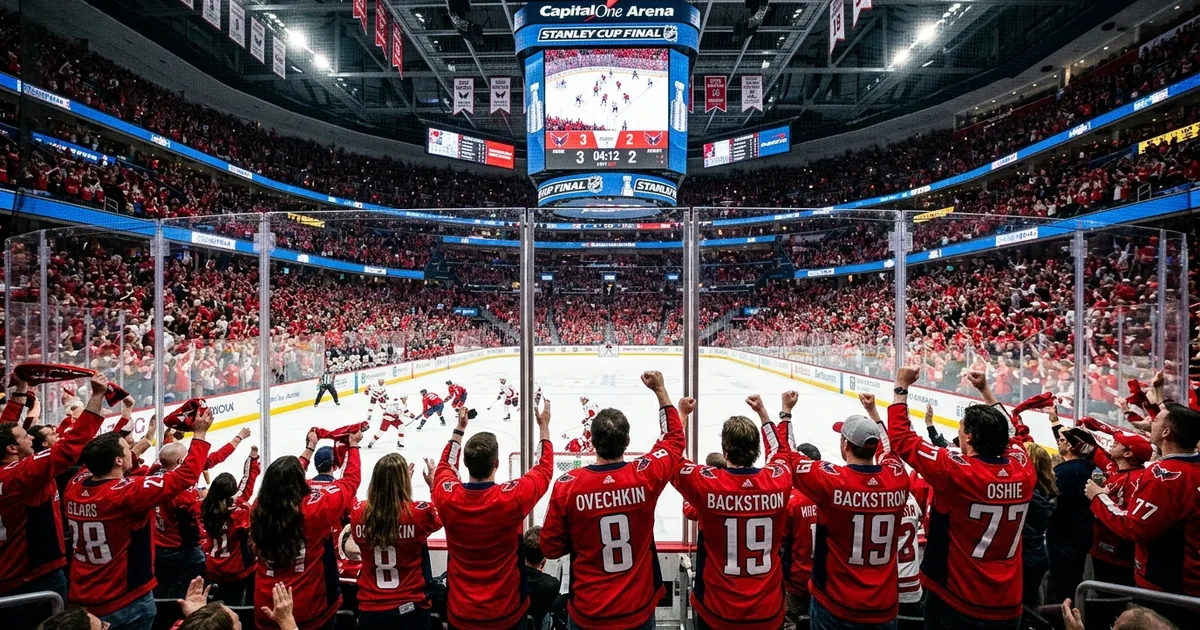
The Carolina Hurricanes just tied the Stanley Cup Final at two games apiece with a gritty 5-3 win over the Vegas Golden Knights in Game 4 on Monday night, and the series is heading back to Raleigh for Game 5. But the biggest fight involving the Hurricanes right now might not be on the ice. North Carolina Attorney General Jeff Jackson is demanding answers from Ticketmaster after hundreds of fans reported being locked out of presale ticket purchases despite holding valid season-ticket codes.
What Happened to Hurricanes Fans
The complaints follow a pattern that Ticketmaster critics have documented for years, but the Stanley Cup spotlight makes this round particularly difficult to brush aside. Season ticket holders who logged into Ticketmaster’s presale queue at the exact moment it opened reported being met with error messages, infinite loading screens, and queue positions that never moved forward. By the time the system stabilized, primary-market tickets were gone. What remained on the resale market told the real story: WRAL reported single seats listed at $17,000 and standing-room-only tickets priced at $600 or more.
Jackson’s office issued a formal demand to Ticketmaster last week, giving the company one week to answer a detailed list of questions: how many technical-error reports it received during the Stanley Cup Final presale, whether affected season ticket holders received any compensation, exactly how many tickets were made available at face value through the primary sale, and what specific steps the platform took to detect and block automated purchasing bots. WLOS confirmed the attorney general also issued a broader scam warning to North Carolina residents about fraudulent resale listings appearing on social media and third-party sites.
Ticketmaster’s Response Falls Flat
Ticketmaster responded by pointing to demand. The company told ABC11 that the Stanley Cup Final generates extraordinary interest and that high prices on the resale market reflect what fans are willing to pay, not a failure of the platform. That framing conveniently sidesteps the core question: why did presale queues malfunction for verified season ticket holders who did everything the system asked them to do?
This is not an isolated incident. Ticketmaster and its parent company Live Nation have faced a cascade of legal and regulatory pressure since the disastrous Taylor Swift Eras Tour presale in 2022 crashed the system and left millions of verified fans empty-handed. The Department of Justice filed an antitrust lawsuit against Live Nation in 2024, alleging the company used its monopoly position to inflate fees and suppress competition across the live-events industry. And Jackson has recent courtroom success on the subject: his office won a jury trial against Live Nation and Ticketmaster for using anticompetitive conduct to disadvantage fans in the primary ticket sales market.
The Game 4 Backdrop Makes It Worse
On the ice, the Hurricanes gave their fans a reason to want those tickets even more desperately. Captain Jordan Staal, 37, scored twice in Game 4, including the go-ahead goal in the third period that gave Carolina a lead it would not relinquish. Brandon Bussi, pressed into duty as a relief goaltender for Frederik Andersen, became the first goalie since 1961 to win his playoff debut in a Stanley Cup Final game. Nikolaj Ehlers contributed three points, and Jackson Blake added two in a game the Hurricanes controlled for long stretches after falling behind early.
The series now shifts to PNC Arena in Raleigh for Game 5, where the Hurricanes will have home-ice advantage for the first time since Game 2. For fans who follow live sports coverage closely, the atmosphere in Raleigh is expected to be electric. The problem is getting through the door.
Why This Keeps Happening
The core issue is structural, and it has not changed since the Swift debacle. Ticketmaster controls roughly 80% of the primary ticketing market for major venues in the United States. When its system fails, there is no meaningful alternative for consumers. Fans cannot take their business elsewhere because most venues, including PNC Arena, have exclusive contracts with Ticketmaster that lock out competing platforms entirely.
The presale queue is not a neutral marketplace. It is a chokepoint controlled by a monopoly, and when it breaks down, the only winners are resellers who deploy automated tools to acquire inventory faster than any individual fan can click. The DOJ’s antitrust case argues this is by design, not an accident, and that Live Nation profits from resale activity on its own platform regardless of whether primary buyers are served fairly.
Jackson’s investigation could produce real consequences given his track record. If Ticketmaster cannot demonstrate that its queue failures were genuinely technical rather than a byproduct of insufficient investment in infrastructure or inadequate bot prevention, the attorney general has both the legal standing and the political momentum to escalate. The question for hockey fans in the short term is simpler and more frustrating: will Game 5 tickets be any more accessible than the previous rounds were? Based on everything Ticketmaster has shown so far in this series, the honest answer is probably not.