
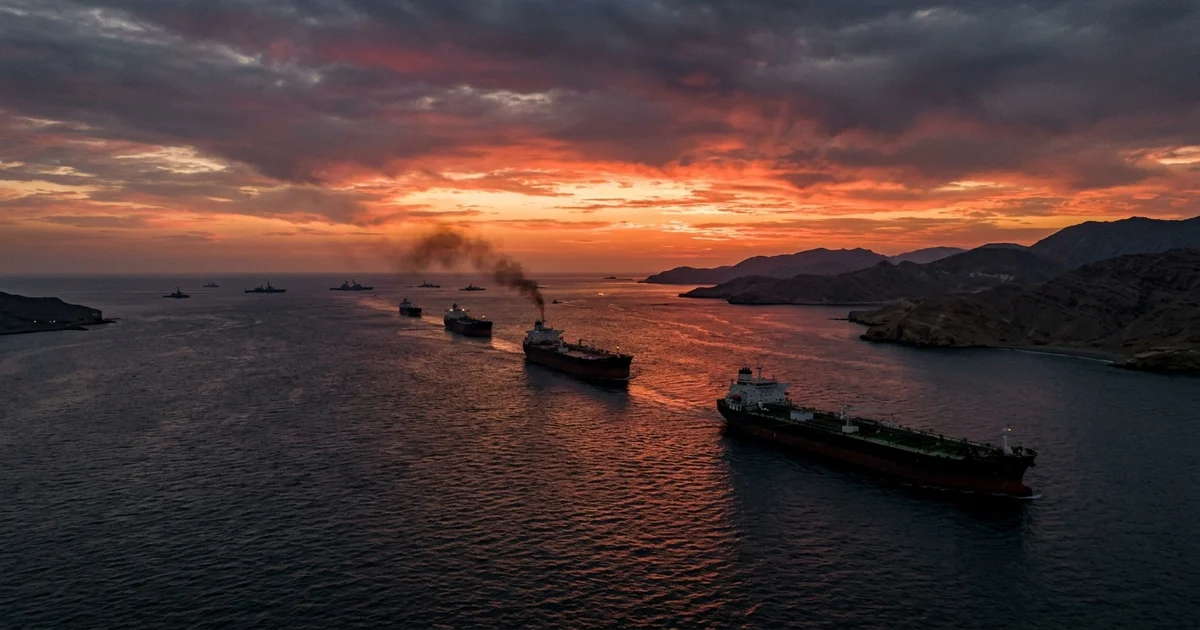
The fragile peace between Washington and Tehran collapsed on Wednesday when President Trump, sitting beside NATO Secretary General Mark Rutte at the alliance’s summit in Ankara, declared the ceasefire and interim nuclear agreement with Iran “over” following a rapid escalation of military strikes that sent global oil prices surging. The breakdown began Monday night when Iran’s Revolutionary Guard Corps fired missiles at three commercial vessels transiting the Strait of Hormuz, hitting a Qatari LNG tanker, a Saudi crude carrier, and a third ship in Omani territorial waters. The U.S. responded with what the Pentagon called “powerful strikes” against Iranian military targets, and Iran retaliated by launching attacks against more than 80 American military facilities in Bahrain and Kuwait. Nobody was killed in the commercial ship attacks, but the geopolitical damage may prove far more costly.
Why the Ceasefire Fell Apart in 19 Days
The structural problem was always the same one that plagued every prior Iran deal: the memorandum of understanding signed less than three weeks ago was performance-based with no enforcement mechanism beyond American willingness to reimpose costs. Iran agreed to halt attacks in the Strait of Hormuz in exchange for a temporary sanctions waiver allowing Iranian oil sales on the global market. When the IRGC attacked those three ships, the entire framework’s credibility evaporated overnight.
The Trump administration moved fast. The Treasury Department revoked the sanctions waiver on Tuesday, requiring all production, delivery, or sale of Iranian oil to wind down by July 17, just 19 days after granting it. Iran’s deputy foreign minister called the revocation a violation of the memorandum, but the diplomatic posturing rang hollow given Tehran’s own breach.
Trump himself sent mixed signals from Ankara, telling reporters he would allow negotiators to continue talks while simultaneously calling them “just a waste of time dealing with them.” That kind of rhetorical whiplash has become a feature, not a bug, of Trump’s foreign policy: keep every door cracked open while slamming the frame.
Oil Markets Absorb the Shock
The market reaction was swift and predictable. Brent crude futures jumped nearly 5.5% to more than $75 per barrel, according to NBC News reporting on Tuesday. West Texas Intermediate crude rose 2.76% to $70.44 a barrel. Asian stock markets retreated, and global shipping insurers immediately began repricing Gulf transit risk.
The Strait of Hormuz remains the world’s most important oil chokepoint, with roughly 20% of global petroleum passing through the narrow waterway daily. Every time Iranian missiles fly near commercial tankers, the risk premium on every barrel of oil moves with them. American consumers will feel this at the pump within days.
The NATO Backdrop Adds a Layer
Trump’s declaration came at a particularly awkward moment. NATO allies had arrived in Ankara with a carefully choreographed show of unity, unveiling billions in arms deals and concrete defense spending plans designed to satisfy Trump’s demands that members hit 5% of GDP on defense by 2035. Secretary General Rutte’s message to adversaries was blunt: “Don’t fool with us.”
But the Iran crisis threatened to overshadow NATO’s carefully staged reset. European allies had already been rattled by announced U.S. troop reductions in Europe, and a full-blown resumption of hostilities with Iran would further strain American military bandwidth across multiple theaters. The alliance’s biggest challenge is no longer convincing members to spend more on defense. It is convincing them that Washington can sustain commitments on two continents simultaneously.
What Comes Next
The likeliest near-term trajectory is continued low-grade escalation. Iran has demonstrated it can threaten commercial shipping whenever it chooses, and the U.S. has shown it will respond with strikes but not seek regime change. The sanctions waiver revocation removes Tehran’s biggest incentive to cooperate, which means the IRGC’s hardliners just won their internal argument against the diplomats.
For LNC’s earlier coverage of the war’s trajectory through the Strait of Hormuz, the pattern has been consistent: escalation, tentative deal, breach, more escalation. The question now is whether this cycle spirals into something that permanently disrupts the 20% of global oil supply that flows through those waters, or whether both sides find another off-ramp before the economic damage forces their hand.
The ceasefire lasted 19 days. The next one, if it comes, will need teeth the last one never had.