
Across Europe, cannabis policy is shifting, sometimes gradually, sometimes dramatically, but almost everywhere the conversation has become more nuanced. Legal reforms, pilot programs, and expanded medical frameworks have encouraged something that was once pushed to the margins: open discussion.
One of the clearest outcomes of that openness is the rise of cannabis literacy. Instead of relying on rumor or fragmented information, more individuals are educating themselves about plant genetics, cultivation methods, and responsible sourcing. The modern home grower is not driven solely by curiosity; they are motivated by knowledge.
As regulatory landscapes evolve, so does the way people approach cultivation. It is no longer just about producing a harvest. It is about understanding the plant from seed to flower.
From Policy Debate to Practical Education
Public dialogue around cannabis used to center almost exclusively on legality. Today, the conversation increasingly focuses on implementation. If personal cultivation is permitted, how should it be done responsibly? If seeds are available online, how can consumers identify credible sources?
This transition from abstract debate to practical education marks an important cultural shift. People want reliable information. They want clarity on genetics, lifecycle stages, nutrient requirements, and environmental control.
Search interest around topics like how to grow cannabis reflects this broader curiosity. Prospective growers are not merely looking for shortcuts. They want structured guidance that covers soil preparation, lighting cycles, ventilation, and harvest timing.
Education, not speculation, is shaping the modern grower’s mindset.
The Importance of Genetics
At the heart of every cultivation project lies genetics. A seed determines far more than potential potency. It shapes plant height, flowering time, resilience to pests, and cannabinoid balance.
One of the most significant developments in recent years has been the increased availability of feminized cannabis seeds. These seeds are bred to produce female plants, which are responsible for flowering. For home growers operating within limited plant-count allowances, this distinction matters. Eliminating the uncertainty of male plants reduces wasted space and resources.
In regions where personal cultivation is capped at a small number of plants, predictability becomes essential. Feminized genetics provide greater confidence that each permitted plant will contribute to the final yield.
Genetic stability also influences overall experience. Stable strains reduce the likelihood of unexpected growth patterns, making the process more manageable for beginners.
Choosing Reputable Sources
As interest grows, so does the online marketplace. Seeds can be purchased from a wide range of vendors, but quality varies significantly.
This is why discussions about the best seed banks have become more prominent. Reputable suppliers typically provide transparent information about strain lineage, germination rates, and customer support. They often include detailed descriptions of growth characteristics and environmental requirements.
Reliable sourcing protects growers from common pitfalls: poor germination, unstable genetics, or misleading strain descriptions. In an industry still navigating uneven regulation across jurisdictions, reputation matters.
Experienced cultivators often emphasize research before purchase. Reviews, independent forums, and industry coverage can offer insight into supplier reliability. Transparency and consistency are strong indicators of quality.
Regulatory Awareness and Responsibility
Cannabis cultivation laws differ widely across Europe. Some countries allow limited personal grows under specific conditions. Others maintain strict prohibitions. Even within countries, local enforcement and interpretation can vary.
Responsible growers stay informed about their regional framework. They verify plant-count limits, security requirements, and storage guidelines before beginning any project.
The European Monitoring Centre for Drugs and Drug Addiction (EMCDDA) continues to monitor cannabis trends and policy developments across EU member states, contributing data-driven analysis to public discourse. While not a regulatory authority for individual growers, its research underscores the importance of understanding the broader context in which cultivation occurs.
Compliance is not simply about avoiding penalties. It reflects respect for evolving policy environments and supports the legitimacy of responsible personal cultivation.
The Modern Indoor Grow Setup
Technological advancements have made home cultivation more accessible than ever. Compact grow tents, high-efficiency LED lighting, carbon filtration systems, and automated irrigation tools allow precise environmental control.
Lighting remains one of the most critical factors. Photoperiod plants require carefully managed light cycles to transition from vegetative growth to flowering. Temperature and humidity must also be balanced to prevent mold or nutrient deficiencies.
For beginners exploring how to grow cannabis, understanding environmental fundamentals is often more important than focusing on yield targets. Stable temperature ranges, adequate airflow, and quality soil create the foundation for healthy growth.
Overcomplication can derail a project. Simplicity, especially in early stages, increases the likelihood of success.
Sustainability in Home Cultivation
As environmental consciousness rises, growers are evaluating their setups through a sustainability lens. Indoor cultivation can consume significant energy if poorly designed. However, LED technology has dramatically improved efficiency compared to older high-intensity discharge systems.
Water conservation practices also matter. Controlled irrigation reduces runoff and nutrient waste. Soil regeneration and composting can minimize environmental impact.
Sustainability aligns closely with the ethos of personal cultivation. Growing at home often stems from a desire for autonomy and transparency. Integrating environmentally responsible practices strengthens that intention.
The Psychology of Growing
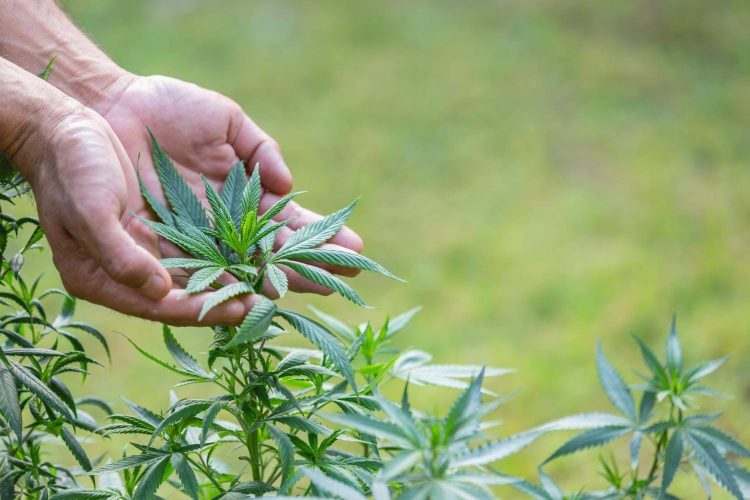
Beyond technical considerations, cultivation offers psychological benefits. Gardening in general has long been associated with stress reduction and improved mood regulation. The act of monitoring plant development introduces routine and attentiveness.
Cannabis cultivation shares these characteristics. Observing subtle changes in leaf color or growth patterns fosters patience. Adjusting environmental variables requires focus.
In a digital era dominated by immediacy, plant growth unfolds slowly. That gradual progression can be grounding.
However, successful cultivation also demands discipline. Skipped maintenance or inconsistent monitoring can compromise results. The process rewards consistency over intensity.
Education as a Cultural Shift
Perhaps the most notable evolution in Europe’s home grow movement is the emphasis on education. Rather than relying solely on anecdotal advice, growers increasingly consult structured resources, horticultural science, and comparative analysis.
Online publications, academic research, and agricultural guides provide accessible frameworks for understanding plant biology. Topics such as nutrient uptake, terpene development, and flowering timelines are now discussed with greater precision.
This educational focus signals maturity. Cannabis cultivation is moving away from secrecy and toward informed participation.
Challenges and Misconceptions
Despite progress, misconceptions persist. Some assume home cultivation is effortless or automatically superior to licensed commercial products. In reality, it requires commitment and ongoing learning.
Others underestimate the importance of genetics and environmental control. Even high-quality seeds will underperform if conditions are inconsistent.
There is also a misconception that more complexity equals better results. Advanced techniques such as training methods or hydroponic systems can enhance yields, but they also introduce additional variables. For many beginners, mastering foundational practices is more valuable than experimenting prematurely.
As European policy continues to evolve, personal cultivation will likely remain part of the conversation. Public interest in plant genetics, environmental sustainability, and responsible sourcing shows no sign of slowing.
The modern home grower is defined less by ideology and more by literacy. They research feminized cannabis seeds to ensure predictable flowering. They consult detailed guides on how to grow cannabis to build foundational knowledge. They evaluate the best seed banks based on transparency and consistency.
This combination of education and responsibility reflects a broader cultural transformation. Cannabis is increasingly discussed in practical terms, genetics, compliance, sustainability, rather than abstraction.
In that shift lies the foundation of a more informed, measured approach to cultivation. As dialogue expands and research deepens, Europe’s home grow movement will likely continue maturing, guided by data, transparency, and deliberate choice rather than impulse.
The plant may be ancient, but the literacy surrounding it is distinctly modern.