
The Rise of Digital Art
In recent years, digital art has emerged as a significant force shaping urban culture. The proliferation of digital tools and platforms has democratized the creation and distribution of art, allowing artists from diverse backgrounds to share their work with a global audience. This shift has not only transformed the way art is experienced but has also influenced the cultural landscape of cities worldwide. From digital murals to interactive installations, digital art is redefining the boundaries of creativity and community engagement.
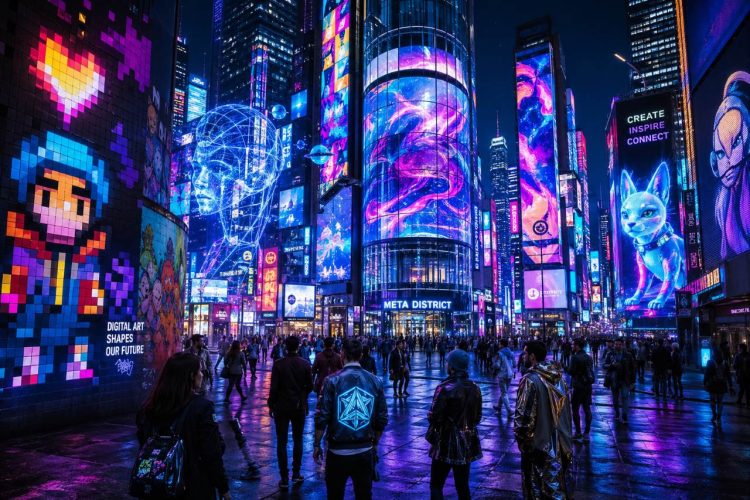
The accessibility of digital art tools has empowered a new generation of artists who are not confined by traditional mediums. With the advent of software like Adobe Creative Suite and platforms such as Instagram and DeviantArt, artists can now create and share their work instantly. This has led to a surge in digital art exhibitions and festivals, where urban spaces are transformed into vibrant canvases. Cities like Berlin, Tokyo, and Los Angeles have embraced this trend, hosting events that celebrate the fusion of technology and art.
Urban Spaces as Digital Canvases
Urban spaces are increasingly being used as canvases for digital art, with projections and installations becoming a common sight in cityscapes. These digital interventions are not only visually striking but also serve to engage the public in new and interactive ways. Artists are using technology to create immersive experiences that invite viewers to become part of the artwork. This participatory approach has the potential to foster a sense of community and belonging, as people come together to experience art in shared public spaces.
One notable example of this trend is the use of projection mapping to transform buildings into dynamic art pieces. By projecting digital images onto architectural structures, artists can create the illusion of movement and change, altering the perception of the urban environment. This technique has been used in various cities to celebrate cultural events, commemorate historical moments, or simply to entertain and inspire.
Read also: The Influence of Informal Gaming Communities on Urban Culture
The Intersection of Technology and Creativity
The fusion of technology and creativity is at the heart of the digital art movement. Artists are leveraging advancements in technology to push the boundaries of what is possible in art. Virtual reality (VR) and augmented reality (AR) are being used to create immersive experiences that transport viewers to other worlds. These technologies are not only changing the way art is created but also how it is consumed and appreciated.
In a similar vein, the world of sports has seen the integration of technology to enhance fan engagement. For example, Football Predictions have become a popular way for fans to interact with the game, using data and analytics to anticipate outcomes. This trend mirrors the way digital art uses technology to engage audiences and create new forms of interaction.
Challenges and Opportunities
While digital art offers exciting opportunities for creativity and engagement, it also presents challenges. The rapid pace of technological advancement means that artists must continuously adapt to new tools and platforms. Additionally, the ephemeral nature of digital art raises questions about preservation and ownership. As digital artworks are often temporary and site-specific, finding ways to document and archive them is crucial for future generations.
Moreover, the accessibility of digital art tools has led to a saturation of content, making it challenging for artists to stand out. In an era where anyone can create and share art online, the quality and originality of work become paramount. Artists must find innovative ways to capture the attention of audiences and make a lasting impact.
The Future of Digital Art in Urban Culture
As technology continues to evolve, the role of digital art in urban culture is likely to grow. Cities will increasingly embrace digital art as a means of enhancing public spaces and fostering community engagement. The integration of digital art into urban planning and development could lead to more vibrant and dynamic cities, where art and technology coexist harmoniously.
Furthermore, the rise of digital art presents opportunities for collaboration across disciplines. Artists, technologists, urban planners, and community leaders can work together to create projects that address social and environmental issues, using art as a tool for change. In this way, digital art has the potential to not only transform urban culture but also contribute to a more sustainable and inclusive future.