
The annual White House Correspondents’ Dinner is supposed to be a self-aware Washington tradition where reporters and the people they cover put down their knives for a few hours, eat overcooked salmon, and pretend the relationship between the press and power is healthy. This year, the knives stayed out. So did a 12-gauge shotgun.
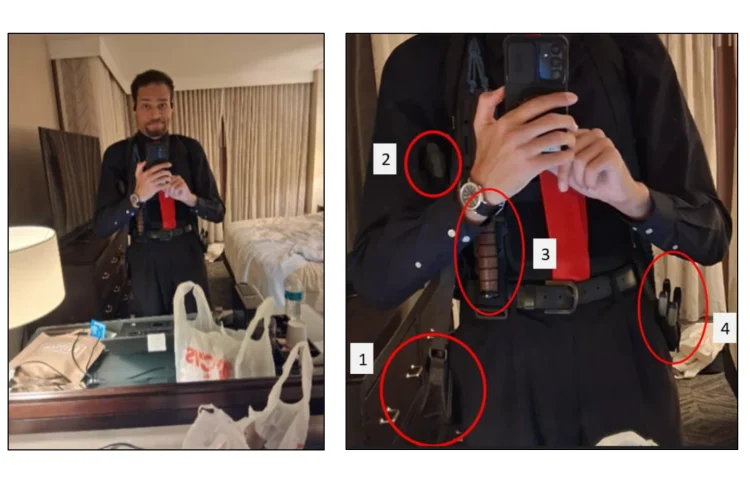
Federal prosecutors on Monday charged Cole Tomas Allen, a 31-year-old from Torrance, California, with the attempted assassination of President Donald Trump, following the shooting at the Washington Hilton on Saturday evening that triggered a frantic evacuation of the president and several Cabinet members from the gala. Allen also faces counts of interstate transportation of a firearm with intent to commit a felony and discharge of a firearm during a crime of violence, according to the three-count federal complaint. The top charge alone carries a maximum sentence of life in prison.
What Happened Inside The Washington Hilton
According to the criminal complaint and statements from federal officials, Allen never reached the ballroom where Trump was scheduled to speak. He fired his weapon near a security checkpoint and was tackled by law enforcement before he could move further into the venue. Investigators recovered a 12-gauge pump-action shotgun, a .38-caliber semiautomatic pistol and three knives at the scene.
Allen had reserved a room at the Hilton on April 6, almost three weeks before the dinner, an FBI special agent stated in the supporting affidavit. That detail matters. This was not a man who wandered in off Connecticut Avenue. The government is alleging premeditation, planning and patience.
The president was hustled out of the hotel along with members of his Cabinet. The dinner, an institution since 1920 and arguably the most awkward annual social event in American politics, was effectively canceled mid-evening. The optics could not have been worse for an administration that has spent its first months in this term arguing that the country has gotten safer, more orderly and more secure.
The Manifesto And The Alleged Motive
What separates this case from the chaotic, often inscrutable threats the Secret Service fields every week is paperwork. Allen, prosecutors say, sent a written statement of more than 1,000 words to family members in the moments before the attack. In it, he allegedly identified himself as a “friendly federal assassin,” apologized to relatives, co-workers and bystanders he feared might get caught in the violence, and laid out a long list of grievances against the Trump administration.
The document, according to court filings reviewed by multiple outlets, jumped between political anger, religious justification and rebuttals to imagined critics. Allen named specific policies as reasons for the attack, including U.S. military strikes on suspected drug-smuggling vessels, the administration’s renewed immigration enforcement push, and the handling of files connected to the late sex offender Jeffrey Epstein. “I experience rage thinking about everything this administration has done,” he allegedly wrote.
It is the closest thing to a stated motive law enforcement has gotten in a presidential assassination attempt in years, and it lands at a moment when American political violence has stopped being the rare, shocking exception and started feeling like a recurring news cycle. Trump survived two attempts on his life during the 2024 campaign. A federal judge in Wisconsin was killed at home in 2022. A congressional intern was shot in Washington last year. The pattern is no longer deniable.
Who Is Cole Tomas Allen
The biographical details, on paper, look almost aggressively ordinary. Allen is a trained mechanical engineer who had been working as a tutor and teacher in California, according to law enforcement and his employer. CNN reported he had taught at a Southern California school. Family members had reportedly raised concerns about his mental state in the period leading up to the attack, though the exact nature and timing of those concerns remains under investigation.
That ordinariness is the unsettling part. The Trump-era assassination attempts have not come from organized cells or foreign actors. They have come from young men, mostly acting alone, who in the days before each attack looked indistinguishable from any other American with a tax ID and a grudge. The Secret Service can build a fence. It cannot build a profile that catches a tutor from Torrance who decided to drive across the country with a shotgun in his trunk.
The Legal Road Ahead
Allen appeared in federal court in Washington on Monday and was ordered held without bond. Attempting to assassinate a sitting U.S. president is one of the most aggressively prosecuted federal offenses on the books, and the evidentiary picture here, surveillance footage, recovered weapons, a written manifesto, eyewitness accounts from Hilton security and a hotel reservation made weeks in advance, is the kind of file federal prosecutors dream about. Defense counsel will almost certainly steer toward a mental health framework. The government will steer toward intent.
Expect the case to move quickly into a competency evaluation, then into a grand jury. A formal indictment is likely within the next two weeks, and a trial date, when it eventually comes, will become one of the most heavily covered federal proceedings in modern memory.
What It Means For Everyone Else
The political and cultural fallout has already started. The White House Correspondents’ Association is now wrestling with whether the dinner, in its current ballroom-and-tuxedo form, can survive as a logistical event. The Secret Service is facing renewed questions about how a man with a long gun, a handgun and three knives got inside the perimeter of a venue hosting the president, even if he never made it to the room. Lawmakers on both sides have called for a review of protective protocols at major political and media events.
For Trump, the political dynamic is delicate. He has used previous attempts on his life as evidence of the stakes of his presidency, and his communications team has already begun framing this as confirmation that he is a target of a violent fringe. Democrats, for their part, have condemned the shooting unambiguously, aware that the country’s tolerance for political violence as a partisan weapon has run out.
And for the rest of us, watching a federal complaint land within 48 hours of a sitting president being rushed out of a black-tie dinner, the question that lingers is not really legal. It is civic. America keeps producing these defendants, and the institutions designed to stop them keep getting tested in real time. The Allen case will be litigated in court. The bigger trial, the one about why this keeps happening, is one the country has not yet figured out how to hold.