
American and Iranian negotiators have done something that seemed impossible six weeks ago: they produced a written framework to extend their ceasefire by 60 days and restart talks on Iran’s nuclear program.
The problem is that the one person who actually has to sign it hasn’t said yes.
President Trump spent the weekend at his Bedminster golf club reviewing the tentative agreement, which would reopen the Strait of Hormuz to commercial shipping and set a timeline for new discussions over Iran’s enriched uranium stockpile. Vice President Vance told reporters Saturday that negotiators had resolved most outstanding issues but that “a couple of items on the nuclear stuff, the highly enriched stockpile, and the question of enrichment” remained in flux, according to CBS News live coverage of the talks.
What the Deal Actually Contains
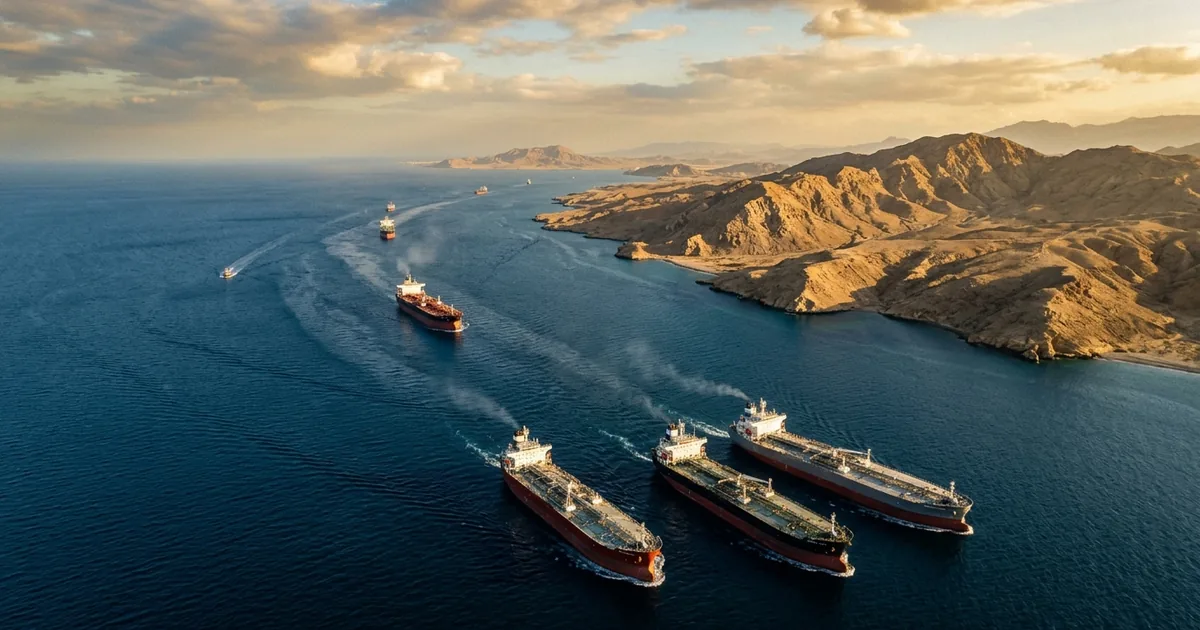
The broad strokes are straightforward: a 60-day extension of the current ceasefire, a mutual commitment to reopen the Strait of Hormuz (which Iran partially blockaded during the April escalation), and a framework for what officials describe as “structured nuclear discussions” separate from the broader peace track.
But the details are where it gets complicated. Iran wants sanctions relief on oil exports before any concessions on enrichment levels. The U.S. wants Iran to agree to freeze enrichment above 20 percent as a precondition for talks, not as an outcome of them. That gap has been the sticking point since the Camp David cabinet meeting last week when Trump gathered his national security principals and, according to three officials briefed on the session, expressed frustration that the deal lacked a clear “win” he could sell domestically.
The Military Backdrop
None of this is happening in a diplomatic vacuum. Defense Secretary Pete Hegseth, speaking at the Shangri-La Dialogue in Singapore on Saturday, said the U.S. military is “more strongly placed” in the Persian Gulf than at any point since the conflict began and is “ready to resume combat operations if required,” according to NPR’s coverage of the speech.
That language was calibrated. Hegseth wasn’t threatening war. He was giving Trump a stronger hand at the table: if the deal falls apart, the U.S. has the military posture to back up a harder line. At the same time, he called Iran’s concessions so far “productive” and said Tehran was “coming in our direction.”
The mixed signals are the point. Trump wants Iran to know that walking away from the table has consequences, but he also wants credit for being the president who ended the conflict. Those two impulses pull in different directions, and the delay in signing reflects that tension.
Why It Matters Beyond Washington
The Strait of Hormuz is not an abstraction. Roughly 20 percent of the world’s oil supply passes through that waterway. The partial blockade in April sent Brent crude above $105 per barrel and contributed to a spike in U.S. gas prices that shaved an estimated half-point off consumer confidence surveys.
Markets responded to the tentative deal with cautious optimism. Oil prices fell on Friday and U.S. stocks edged higher, with the Dow Jones closing up 0.5 percent to 50,902, as reported by CNN’s live updates on the negotiations. But traders are waiting for the signature, not the handshake. Until Trump commits, the deal exists in a gray zone that satisfies nobody.
The Ceasefire’s Fragile Reality
Even calling this a “ceasefire” requires some generosity. On Monday, the U.S. military struck Iranian boats and missile launch sites in southern Iran, actions Hegseth described as defensive responses to “provocative movements” near American naval vessels. Iran’s Foreign Ministry called the strikes a violation of the ceasefire terms and demanded formal accountability through the Swiss intermediary channel.
Both sides have violated the ceasefire repeatedly since it took effect in early May, and both sides have characterized the other’s violations as more severe. The tentative framework addresses this by proposing a joint monitoring mechanism staffed by Omani and Qatari observers, but its details have not been made public.
What Comes Next
Trump himself set expectations high and then walked them back. On Thursday, he told reporters the U.S. and Iran had “largely negotiated” a memorandum of understanding. By Monday morning, the framing had shifted: “It will only be a Great Deal for all or, no Deal at all,” he posted on Truth Social.
That phrasing is familiar to anyone who has watched Trump negotiate. The “great deal or no deal” formulation gives him room to walk away and blame Iran, sign and claim victory, or keep the process alive indefinitely while extracting concessions. What it does not give is certainty, and certainty is what the shipping lanes and oil markets need.
The next 48 hours will tell the story. If Trump signs, the ceasefire gets the institutional scaffolding it needs to survive past the summer. If he doesn’t, the U.S. military is already positioned for whatever comes next. Either way, the window is narrowing.