
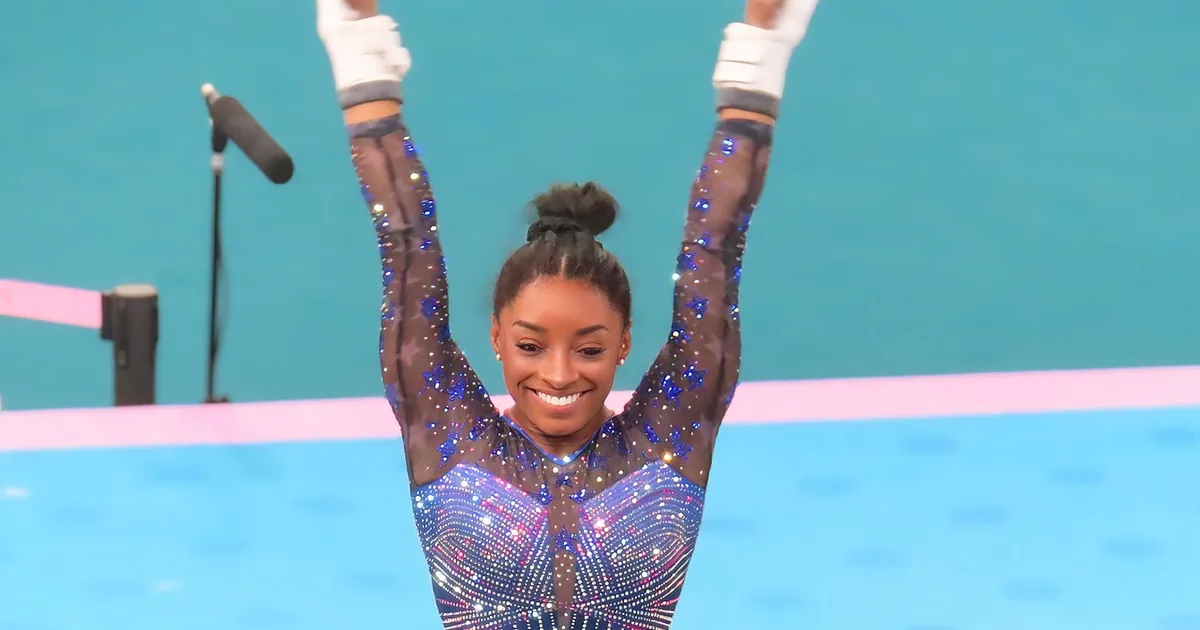
Simone Biles is done apologizing for recovering on her own terms.
The 29-year-old Olympic gymnastics champion responded to online critics this weekend after they questioned why she was posting vacation photos from Belize less than two weeks after revealing she had experienced a near-fatal medical emergency. Her response was measured, pointed, and exactly the kind of boundary-setting that public figures rarely get credit for when they do it well.
What Happened
On June 6, Biles shared an Instagram post showing herself wearing three hospital bracelets with the caption “almost dying wasn’t on my bingo card this week,” calling it “one of, if not the, scariest experience of my life.” She noted that her husband, NFL safety Jonathan Owens, was in Indianapolis for practices when the emergency occurred, adding to the isolation of the moment. She has not yet disclosed the specific nature of the medical event, saying she would share more when she feels ready.
About eight days later, Biles and Owens left for a vacation to Belize, where she began sharing photos from the trip. That is when the comments started. One user wrote “Almost died but look at these traveling selfies….” Another questioned why she was on vacation and drinking after nearly dying. The tone was the particular flavor of internet entitlement that assumes proximity to a public figure’s content creates ownership over their decisions.
The Response Worth Reading
Biles addressed the criticism directly in an Instagram comment that managed to be both gracious and firm. “Ugh these comments make me sad,” she wrote. “A little over two weeks ago, I experienced a serious medical emergency that could have ended very differently, and this trip has been part of allowing myself to heal and appreciate being here.” She continued: “I hope you understand that life-changing experiences can shift your perspective, and that you’re able to extend a little more grace to others moving forward.”
To the commenter who specifically questioned her drinking, Biles responded with the kind of controlled wit that suggests she has had years of practice dealing with unsolicited opinions: “I don’t owe you anything, but have you heard of non-alcoholic drinks?” As OutKick reported, the exchange quickly went viral, with Biles’s response drawing widespread support across social media.
The Bigger Conversation About Recovery and Visibility
What makes this story worth paying attention to, beyond the celebrity gossip layer, is what it reveals about public expectations around illness, recovery, and who gets to decide what healing looks like. Biles nearly died. She chose to process that experience by taking a trip with her husband. The idea that this requires justification to strangers on the internet reflects a deeply weird relationship between audiences and the people they follow.
Athletes in particular face this dynamic in ways that are structurally different from other public figures. Their bodies are their professional instruments, which creates a parasocial sense of shared ownership. When Biles withdrew from events at the 2021 Tokyo Olympics citing mental health concerns, the backlash was intense before public opinion eventually swung to support. This latest episode follows the same pattern: initial criticism, followed by the realization that the criticism says more about the critics than the celebrity.
What She Does Not Owe Anyone
Biles has been clear that she will share the details of her medical emergency on her timeline, not the internet’s. That is the correct instinct, and it is one that more public figures should feel empowered to adopt. The pressure to turn personal crises into content, to provide real-time updates so followers feel included, is a feature of platform culture that benefits nobody except engagement metrics.
For now, Simone Biles is on vacation. She nearly died and decided the appropriate response was to go somewhere beautiful with someone she loves. The fact that anyone considers this controversial tells you everything you need to know about the gap between how we talk about mental health and self-care in theory and how we react when someone actually practices it in front of us.