
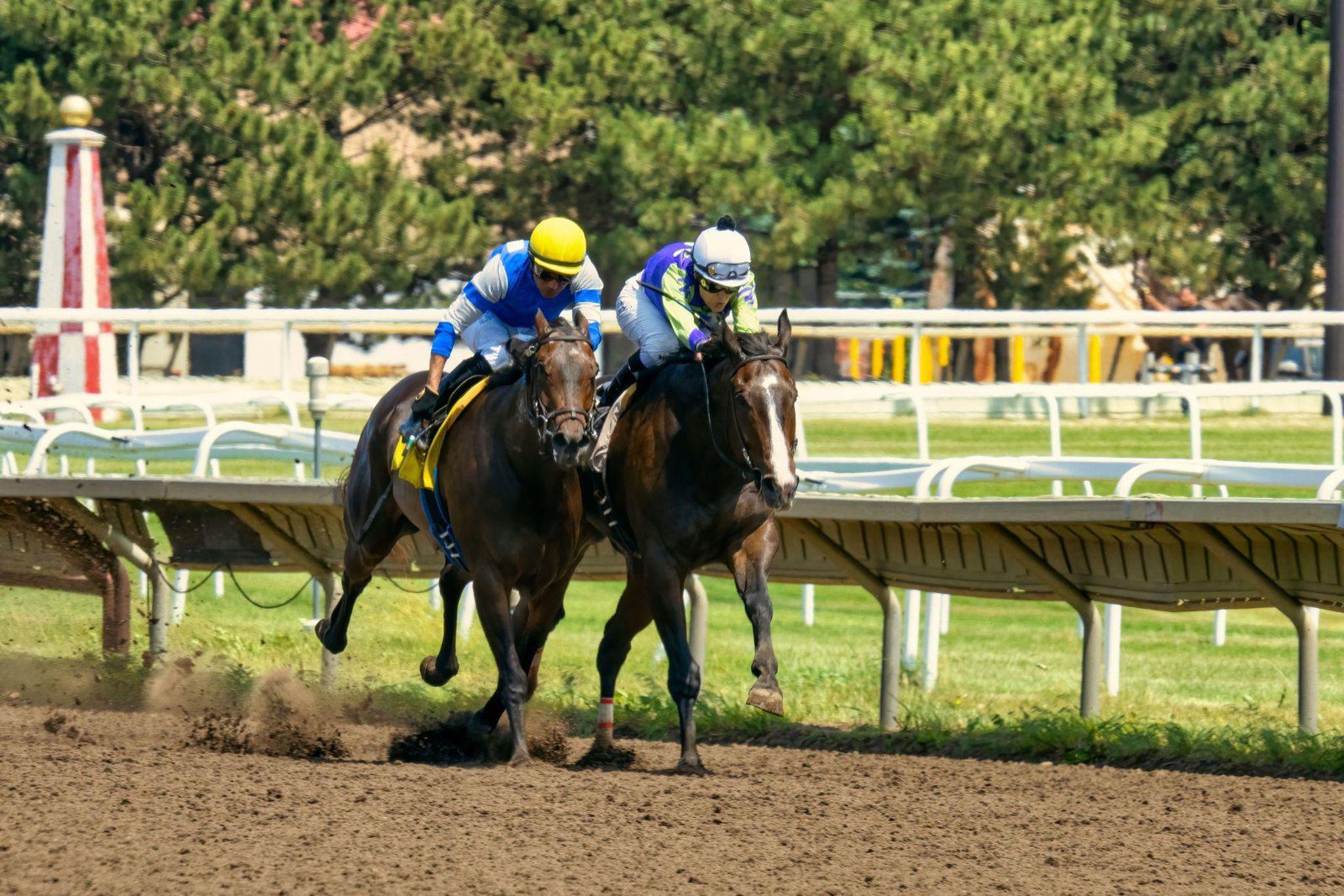
Saratoga’s 2026 summer meet gives horse racing bettors plenty to evaluate before each field reaches the gate. The 46-day meet runs from July 3 through Labor Day, September 7, and features 73 stakes with total purses exceeding $23.575 million, including 20 Grade 1 races.
Picks provide a starting point, but they are not guaranteed. Their usefulness comes from understanding the reasoning behind them. Bettors can compare selections with current form, race conditions, distance, surface, pace, connections, and market prices. This process turns a simple selection into evidence that can be assessed before post time.
Start With the Reasoning
A pick becomes more useful when bettors understand why a horse has been selected. For readers reviewing a race-day preview, Saratoga Racing picks can highlight contenders whose recent performances, running styles, class levels, or connections fit the conditions of a particular race. The selection itself matters less than the evidence supporting it.
For example, a horse moving from a sprint to a route presents a different handicapping question from one returning at a familiar distance. Bettors can examine previous races at similar distances and determine whether the horse maintained its pace through the final stages. Surface history deserves the same attention when comparing dirt and turf performances.
Competition quality adds another layer. A strong performance against graded stakes competition provides a different context from a similar finish against a less accomplished field. Before relying on any selection, bettors can identify the specific factor supporting it and assess whether that factor remains relevant under today’s conditions.
Compare Picks With Current Form
Recent form gives bettors a clearer picture of what a horse has been doing before arriving at Saratoga. Rather than focusing only on finishing position, the previous races can be examined for details that explain how those results developed.
Useful points to compare include:
- Distance: Check whether recent performances came at today’s distance or something substantially shorter or longer.
- Surface: Separate dirt form from turf form instead of treating the records as interchangeable.
- Class: Note whether the horse is moving into stronger or less demanding company.
- Recency: Consider how much time has passed since the horse last competed.
- Race shape: Look at whether the horse set the pace, tracked the leaders, or closed from farther back.
These details help bettors understand whether a pick reflects a repeatable pattern or depends heavily on one previous performance. They also make comparisons between several recommended horses more meaningful when a race appears competitive on paper.
Read the Saratoga Conditions
Race conditions can change the meaning of a pick, so bettors need to connect each selection with the circumstances surrounding that particular contest.
Surface and Distance
Saratoga schedules major events across both dirt and turf, with distances that create very different demands. The Travers, for example, is contested over 1 1/4 miles on dirt, while the Lake Placid is run over one mile on turf. A horse’s suitability for one assignment says little about the other.
Field Context
The other horses matter as much as the selected runner. Several speed-oriented horses can create a different race shape from a field without an obvious early leader. Bettors can compare running styles to see where a selected horse is likely to sit during the opening stages.
Late Changes
Scratches, surface changes, and other updates can alter the original handicapping picture. Checking official changes close to post time helps bettors evaluate whether the reasoning behind an earlier pick remains applicable.
Put Jockey and Trainer Data in Context
Jockey and trainer statistics can add useful context when two horses appear closely matched. As of August 21, 2026, NYRA’s official Saratoga leaderboard listed Jose L. Ortiz first among jockeys with 59 wins from 223 starts. Manuel Franco had 47 wins from 240 starts, while Flavien Prat had 42 from 215. Because standings change after every race day, these figures should be rechecked immediately before publication.
Trainer numbers provide another comparison point. As of August 21, 2026, NYRA’s official leaderboard listed Chad C. Brown first with 27 wins from 138 starts. Brad H. Cox had 18 wins from 66 starts, while Todd A. Pletcher had 15 from 72. These figures provide a dated snapshot of the meet rather than a permanent ranking.
Bettors can go one step further by connecting those statistics to the horse in front of them. A leading trainer’s entry still needs suitable form, distance, surface, and race conditions. Likewise, a prominent jockey doesn’t automatically make every mount equally compelling. Connection data works best as supporting evidence rather than a standalone reason for following a pick.
Recheck Everything Before Post Time
Saratoga bettors can use the period before post time to confirm whether the original handicapping case remains intact. That becomes especially relevant on major cards when fields and betting activity attract considerable attention.
A final review can cover:
- Scratches: Determine whether a removed horse changes the expected pace or field composition.
- Surface: Confirm that the race remains on its scheduled surface.
- Odds: Compare the current price with the assumptions behind the original selection.
- Field: Reconsider how the remaining running styles fit together.
- Conditions: Review official updates that could change how the race is evaluated.
Another useful step is comparing the current odds with the morning line. A significant change can indicate that market expectations have shifted as post time approaches. That movement does not confirm a selection or predict the race outcome, but it provides additional context when bettors reassess whether the original reasoning remains relevant.
This final check separates an earlier opinion from a decision based on the latest available information. Picks can establish a shortlist, while the minutes before post time allow bettors to reassess whether the evidence supporting that shortlist remains relevant. No review can guarantee the outcome of a race.
Turn Picks Into Better Pre-Race Research
Saratoga picks are most informative when they encourage bettors to investigate rather than simply follow a name. Form, class, surface, distance, pace, connections, and late updates each provide a different piece of the handicapping picture.
That approach remains valuable throughout the closing stretch of the 2026 Saratoga meet, when competitive fields and major races give bettors plenty of information to compare. A structured pre-race review can help bettors understand what supports a selection and reassess whether that reasoning remains relevant before post time.