
Gregory Bovino is out. The combative Border Patrol “commander at large” who became the public face of the Trump administration’s Minneapolis immigration crackdown has been removed from his role and will return to his previous post in El Centro, California, where he’s expected to retire soon, according to The Atlantic, citing a Department of Homeland Security official and two people familiar with the matter.
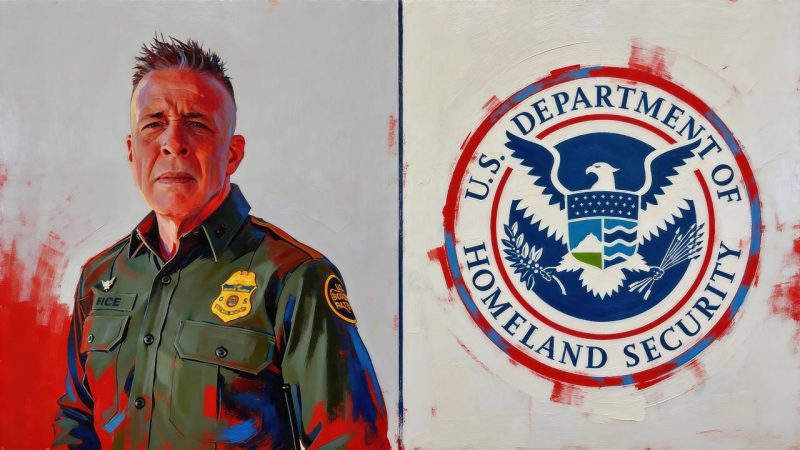
But here’s what matters for Minnesotans watching this unfold: the thousands of federal agents occupying their streets aren’t going anywhere. Not yet, anyway. Despite the headlines suggesting a de-escalation, Operation Metro Surge remains in full effect, with more than 3,000 masked federal officers deployed across the Twin Cities.
A Demotion, Not A Policy Shift
The spin from DHS was immediate and contradictory. Spokesperson Tricia McLaughlin posted on X that “Chief Gregory Bovino has NOT been relieved of his duties.” Notice what’s missing from that denial: any claim that Bovino remains commander at large. Multiple sources confirmed to Reuters, Fox News, and The Atlantic that Bovino will be reassigned to the El Centro sector of the California-Mexico border, effectively sidelining him from the Minnesota operation.
Bovino’s removal comes two days after Border Patrol agents shot and killed Alex Pretti, a 37-year-old ICU nurse at the Minneapolis VA Health Care System. That shooting, the second fatal incident involving federal immigration officers in Minneapolis this month, triggered national outrage and created a political crisis for the administration. Video verified by Reuters, the BBC, and the Associated Press appears to show agents removing Pretti’s holstered firearm, for which he had a permit, approximately one second before another agent fired the fatal shots.
At a press conference Saturday, Bovino baselessly accused Pretti of wanting to “massacre law enforcement.” CNN reported Monday that Bovino’s access to his DHS social media accounts has been revoked.
Tom Homan Takes The Reins
President Trump announced Monday that border czar Tom Homan would travel to Minnesota to personally oversee federal immigration operations, bypassing both Bovino and Homeland Security Secretary Kristi Noem in the chain of command.
“I am sending Tom Homan to Minnesota tonight,” Trump posted on Truth Social. “He has not been involved in that area, but knows and likes many of the people there. Tom is tough but fair, and will report directly to me.”
Homan, a 40-year veteran of immigration enforcement who previously led ICE’s Enforcement and Removal Operations under President Obama, is scheduled to meet with Minneapolis Mayor Jacob Frey on Tuesday. The appointment represents a tacit acknowledgment from the White House that the Minnesota operation has become a liability.
Fox News reported Sunday that some senior DHS officials have “grown increasingly uneasy and frustrated” with the claims and narratives pushed by department leadership following Pretti’s shooting. Axios has reported tension between Noem and Homan dating back months.
The Numbers Haven’t Changed
Here’s the reality obscured by all the personnel shuffling: Operation Metro Surge remains the largest single deployment of federal immigration enforcement in American history. A Department of Justice attorney confirmed in federal court Monday that more than 3,000 agents are deployed to Minnesota, roughly 2,000 from Immigration and Customs Enforcement and 1,000 from Border Patrol.
Minnesota Governor Tim Walz said he had a “productive call” with Trump Monday and that the president agreed “to look into reducing the number of federal agents.” Minneapolis Mayor Frey confirmed that “some federal agents will begin leaving the area” on Tuesday.
But “some” Border Patrol agents leaving is a far cry from ending Operation Metro Surge, which state attorneys have called an “unlawful invasion” that violates Minnesota’s sovereignty protections under the 10th Amendment.
White House Press Secretary Karoline Leavitt laid out the administration’s conditions for scaling back: Minnesota must turn over all incarcerated undocumented immigrants to federal authorities, hand over anyone arrested by local police to ICE, and direct local law enforcement to assist federal officers in apprehending individuals wanted for crimes.
“If Governor Walz and Mayor Frey implement these common-sense cooperative measures, CBP will no longer be needed to support ICE on the ground in Minnesota,” Leavitt said.
A Federal Court Battle Continues
Meanwhile, Minnesota’s lawsuit seeking to halt Operation Metro Surge remains unresolved. U.S. District Judge Katherine Menendez heard arguments Monday on the state’s request for a temporary restraining order but did not rule. She ordered the Trump administration to respond to allegations that the operation was created specifically to “punish” Minnesota for its sanctuary policies.
State attorneys pointed to a letter sent Saturday by Attorney General Pam Bondi seeking access to Minnesota’s voter rolls and data on Medicaid and food assistance programs as a condition for ICE to pull back. They called it a “ransom note.”
“At its heart, the issue is that the federal government is attempting to bend the state’s will to its own,” attorney Brian Carter told the court. “And that is not allowed under the Constitution.”
Two Americans Dead, No Accountability
The two fatal shootings that precipitated this political crisis remain under investigation. Alex Pretti died Saturday. Renee Good, a 37-year-old American citizen, was shot and killed by ICE agent Jonathan Ross on January 7 while sitting in her car.
Minnesota officials have been blocked from conducting independent investigations into both killings. The state’s Bureau of Criminal Apprehension, which typically leads investigations into use-of-force incidents involving law enforcement, was denied access to the scene after Pretti’s death.
DHS confirmed Monday that body camera footage exists from “multiple angles” of the Pretti shooting. What that footage shows, and whether it will ever be released, remains unclear.
Bovino may be headed to California, but the federal occupation of Minnesota continues. The question isn’t whether the administration is rethinking its tactics. The question is whether Minnesotans will accept anything less than a full withdrawal.