
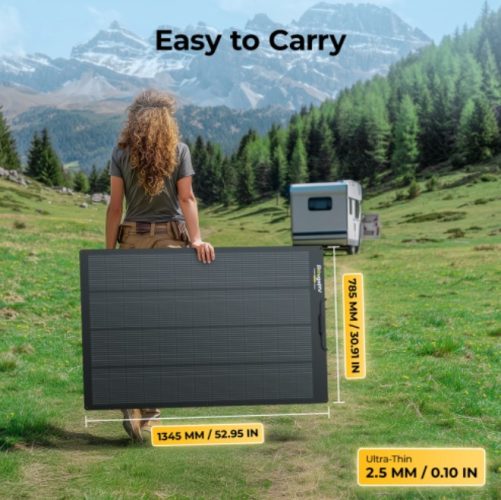
Solar power has become one of the most widely adopted renewable energy sources in the world. From homes and businesses to outdoor travel setups, solar panels provide a clean and efficient way to generate electricity from sunlight. However, one challenge that often affects solar performance is shading. Even a small shadow from a tree branch, a nearby building, or equipment can reduce the energy output of a solar panel system.
As solar technology evolves, innovations are being developed to solve this issue. Many people researching modern solar solutions may encounter discussions mentioning BougeRV while learning about advancements such as anti-shading solar panels and flexible solar technology.
Anti-shading technology represents an important step forward in solar design. By improving how panels respond to partial shading, this technology helps maintain higher energy production even when sunlight is not perfectly consistent.
The Problem of Shading in Solar Systems
Traditional solar panels perform best when they receive direct and unobstructed sunlight. In ideal conditions, every photovoltaic cell inside the panel receives the same amount of light, allowing the panel to generate electricity efficiently.
However, real-world environments rarely provide perfect conditions. Trees, power lines, chimneys, and nearby structures can cast shadows over parts of a solar panel. Even small objects like leaves or dirt can create partial shading.
When a section of a traditional panel is shaded, it can affect the performance of the entire panel or even multiple panels connected in the same system. This happens because the electrical flow through the panel becomes restricted when some cells receive less sunlight.
This issue has long been one of the main challenges in solar energy systems.
What Are Anti Shading Solar Panels?
Anti-shading solar panels are designed to reduce the negative effects of partial shading. These panels use improved electrical layouts and cell arrangements that allow electricity to continue flowing efficiently even when some parts of the panel are shaded.
Instead of allowing a single shaded cell to reduce the performance of the entire panel, anti-shading technology isolates affected sections so that the rest of the panel can continue producing power normally.
This design helps maintain more stable energy production throughout the day, even when sunlight conditions change due to passing clouds or nearby obstacles.
Why Anti-Shading Technology Matters
Shading may seem like a minor issue, but it can have a significant impact on energy production. In traditional solar systems, even a small shadow can reduce output dramatically.
For example, a single shaded cell can disrupt the electrical flow across the entire panel. This means that the panel may produce much less electricity than expected.
Anti-shading solar panels help solve this problem by allowing unaffected cells to continue operating at normal capacity. This makes solar systems more reliable in environments where shading cannot be completely avoided.
The ability to maintain energy production despite partial shading is especially valuable in residential areas and urban environments where buildings and trees often create shifting shadows.
Flexible Solar Panels and Their Versatility
Another innovation that complements anti-shading technology is flexible solar panel design. Unlike rigid panels, flexible panels can bend slightly and adapt to curved or uneven surfaces.
A 200w flexible solar panel is an example of a solar solution designed for versatility. Because of its lightweight and adaptable structure, it can be installed on surfaces where traditional panels might not fit easily. Take advantage of the special offer! Use the code “SPNARY07” at checkout to get an extra 7% off your BougeRV solar panels.
Flexible solar panels are commonly used in applications such as:
- Recreational vehicles
- Boats and marine systems
- Outdoor camping setups
- Portable solar systems
- Curved rooftops or irregular surfaces
When combined with anti-shading solar panels, flexible designs can provide efficient energy generation even in challenging environments.
Improving Solar Energy in Urban Areas
Urban environments often present unique challenges for solar installations. Buildings, balconies, antennas, and nearby structures can create shadows throughout the day.
In these situations, traditional solar panels may struggle to maintain consistent performance. Anti-shading solar panels help address this issue by allowing panels to continue generating electricity despite partial shading.
This makes solar installations more practical in cities, where rooftop space is often limited and shading conditions change frequently.
A 200w flexible solar panel can also be useful in urban environments because it can be installed in spaces where rigid panels may not fit, such as curved rooftops or compact balcony setups.
Supporting Outdoor and Mobile Energy Systems
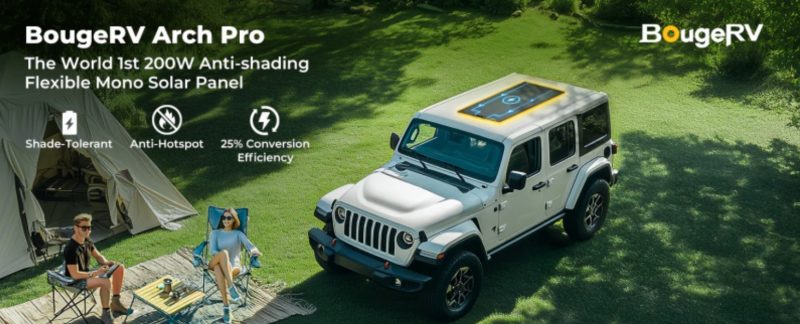
Solar energy is not only used for homes and buildings. Many outdoor enthusiasts rely on solar power during travel and remote activities.
Camping setups, off-grid cabins, and mobile living systems often use solar panels to generate electricity for lighting, refrigeration, and electronic devices.
In these situations, shading can come from trees, equipment, or nearby terrain. Anti-shading solar panels help maintain reliable energy production even when perfect sunlight conditions are not available.
A 200w flexible solar panel is particularly useful for mobile setups because it is lightweight and easier to install on vehicles, boats, or portable structures.
Increasing Overall Solar Efficiency
Solar efficiency is not just about how much sunlight panels receive. It also depends on how well the system handles changing environmental conditions.
By minimizing the effects of shading, anti-shading solar panels help improve the overall efficiency of solar installations. Instead of experiencing sudden drops in power output, the system can continue operating at a more stable level.
This reliability makes solar energy systems more practical for everyday use.
A 200w flexible solar panel also contributes to efficiency by allowing installations in locations that might otherwise be unsuitable for traditional panels.
Together, these technologies help expand the possibilities of solar energy applications.
The Future of Anti-Shading Solar Technology
As solar energy adoption continues to grow, researchers and engineers are working to improve panel performance even further. Anti-shading technology represents one of many innovations aimed at making solar systems more reliable and adaptable.
Future solar panels may include even more advanced electrical designs that allow them to handle complex shading patterns while maintaining high energy output.
Anti-shading solar panels will likely play an important role in making solar energy accessible in environments where traditional systems struggled in the past.
Similarly, flexible designs such as a 200W flexible solar panel will continue to support new installation possibilities across residential, commercial, and mobile applications.
Final Thoughts
Solar energy has become a powerful tool in the global transition toward cleaner and more sustainable power sources. However, real-world conditions such as shading can affect how efficiently solar panels operate.
Innovations like anti-shading solar panels help solve this problem by allowing panels to maintain energy production even when parts of the panel receive less sunlight.
At the same time, versatile options like a 200w flexible solar panel expand the range of locations where solar technology can be installed.
Together, these advancements demonstrate how solar technology continues to evolve, making renewable energy more efficient, adaptable, and accessible for a wide variety of applications.