
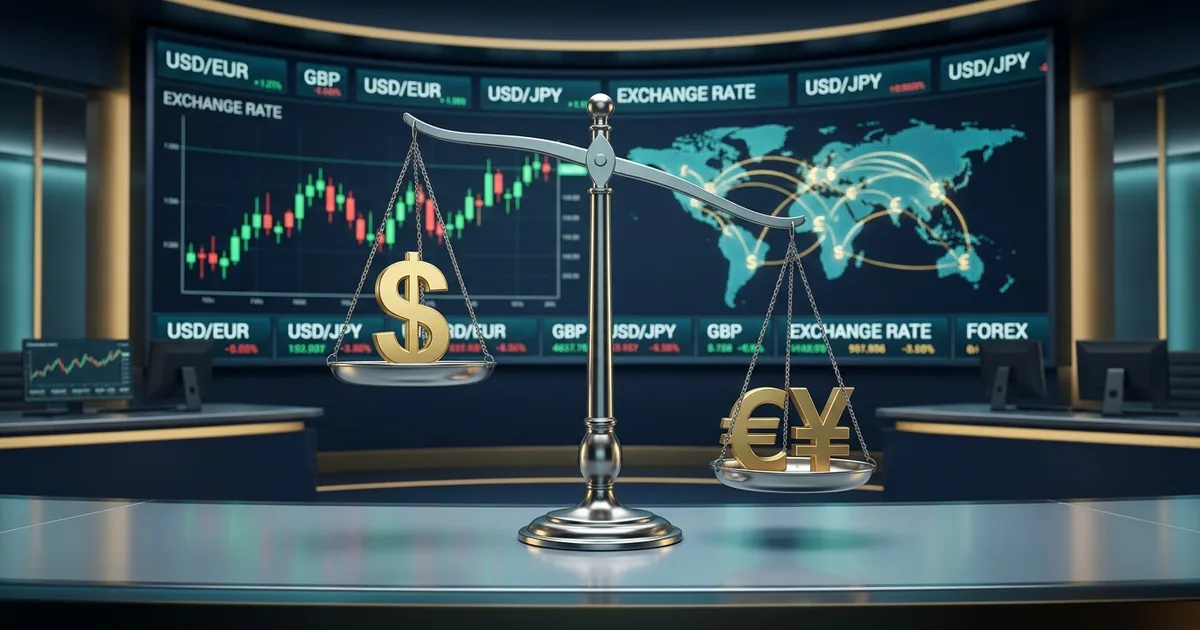
Most folks assume a “strong” currency must mean a country is doing well. Is success tied to money value? Some things stay unclear.
Getting more for your money abroad feels good. For example, vacations shrink in price, and shopping from other countries seems like a steal. Still, advantages come with strings attached. A strong position does not guarantee wins; occasionally, it works against you. The outcome shifts based on how you see it, as well as what goals the country (or business) holds.
What Makes a Currency Strong or Weak?
Let’s break it down. A currency is strong when it lets you buy more of another currency than before. If it suddenly takes more of your money to get one US dollar or euro, your currency has lost value (got weaker). If you want to make sense of these movements, start with the basics: What is Forex? It is just a shorthand way of saying “foreign exchange.” This is the worldwide marketplace where people trade currencies, buying one and selling another. Forex is huge. In fact, it’s the biggest financial market out there.
Currency values are always shifting. Markets shift when people buy or sell more. A nation’s economic data might boost its money value or drag it lower. Confidence matters because if traders feel unsure, prices often wobble, and currency gets weaker. Sometimes, governments step in themselves, for example, tweaking monetary policy.
Strong Currency: Benefits and Downsides
The upsides of a strong currency seem obvious. Imported goods get cheaper, whether that’s phones, cars, or a tank of gas. Travelers notice the difference too, since their money goes further overseas. Businesses that buy foreign materials see their costs go down, maybe even leading to lower prices at home. Stable exchange rates can also attract foreign investors.
There is a twist to all these advantages. When a currency strengthens, exporters often take a hit. Their goods get more expensive in foreign markets. Picture a tractor company at home. As their home currency strengthens, customers overseas see their prices jump. They start shopping around, and sales drop.
Tourism can falter, too. If your currency is strong, visitors find your country expensive and might choose another destination. For countries that rely on exports, too much currency strength can even drag down economic growth.
Weak Currency: Benefits and Downsides
The term might not sound appealing, yet nations occasionally require just this. When money loses strength, goods shipped abroad rise in demand since prices look smaller to people overseas, so companies inside the nation tend to expand. Vacationers lean toward spots where cash buys more – meals and stays stretch when the exchange rate dips. People might even buy more locally produced goods instead of imported goods, helping homegrown industries. Plenty of countries have ridden a weak currency into becoming manufacturing powerhouses. When the yen drops, for example, tourists flood in because hotels, meals, and shopping cost less for them.
Of course, there is a dark side. Imports get more expensive. This includes higher prices for fuel, electronics, or food grown elsewhere. Inflation can follow as businesses facing higher costs pass them on to shoppers. Investors who worry about future currency drops might take their money elsewhere. In addition, if you owe a lot of debt in foreign currency, a weaker local currency suddenly makes those loans harder to pay back.
What Is Better: Strong or Weak Currency?
It’s all about balance. If your currency is too strong, exports and growth suffer. Too weak, and prices spiral, or investors might be hesitant. Most central banks aim for steadiness, not extremes.
What is the “right” value? It really depends. Countries that live off exports might want a softer currency; consumer-driven economies often like a stronger one. Even within a country, there’s no agreement. Some shoppers like bargains and travel perks, while exporters and tourism businesses might root for a weaker local currency.
Bottom Line
Both strong and weak currencies offer wins and losses. Strong means cheaper imports and happy international travelers or investors. Weak means better export sales, tourism, and support for homegrown products.
Instead of focusing on whether a currency is weak or strong, businesses should ask whether the currency is actually helping the economy (and their business) do what it needs to do. In the end, the healthiest countries are not always those flexing with the strongest numbers. They’re the ones that are able to balance how much their people can buy, how well their businesses compete, and how attractive the country is for investment and growth. That balance keeps things running smoothly way more than strength or weakness alone ever could.