
Gold just blasted through $4,600 an ounce for the first time in history. Silver hit an all-time high above $85. And if you’re wondering what could possibly cause such a dramatic surge in safe-haven assets, look no further than the escalating battle between the Trump administration and the Federal Reserve.
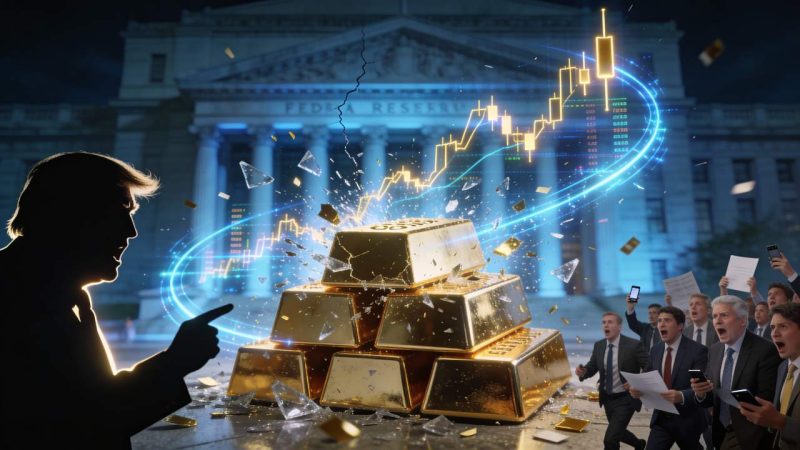
The precious metals rally, which saw gold gain more than 2% in a single trading session on Monday, came after Federal Reserve Chair Jerome Powell dropped a bombshell: the Department of Justice has threatened him with criminal indictment over his Congressional testimony about building renovations. Yes, building renovations. The Fed’s $2.5 billion headquarters renovation project has become the unlikely pretext for what Powell called an attempt to gain “more influence over interest rates.”
The Political Risk Premium Hits American Markets
For decades, investors have applied a “political risk discount” to emerging market currencies and assets. The kind of discount you assign when governments might interfere with central bank independence, when institutions seem fragile, when the rule of law feels negotiable. That discount is now bleeding into the U.S. dollar.
“With the Fed’s independence now openly contested, the ‘political risk’ discount usually reserved for emerging markets is bleeding into the U.S. dollar, driving investors toward hard assets,” said Zain Vawda, analyst at MarketPulse by OANDA.
The dollar index fell nearly 0.5% on Monday, heading for its biggest one-day decline since mid-December. The greenback had already dropped more than 9% against major peers in 2025. Gold prices, meanwhile, logged a nearly 65% yearly gain last year, the strongest performance since 1979. Silver did even better, gaining over 140%.
What Powell Actually Said
In a video released on the Federal Reserve’s official X account Sunday night, Powell did not mince words: “The threat of criminal charges is a consequence of the Federal Reserve setting interest rates based on our best assessment of what will serve the public, rather than following the preferences of the President.”
He continued: “This is about whether the Fed will be able to continue to set interest rates based on evidence and economic conditions, or whether instead monetary policy will be directed by political pressure or intimidation.”
When asked about the investigation by NBC News, Trump denied any involvement or knowledge. “I don’t know anything about it, but he’s certainly not very good at the Fed, and he’s not very good at building buildings,” Trump said. Asked whether the investigation had anything to do with pressure on the Fed to lower rates, he replied, “No. I wouldn’t even think of doing it that way.”
The Succession Question
Powell’s term ends in May. The Trump administration is reportedly interviewing BlackRock’s Rick Rieder as a potential successor, according to Fox News. Trump has also pointed to advisor Kevin Hassett and former Fed Governor Kevin Warsh as possibilities. Treasury Secretary Scott Bessent said Trump will name his pick next month.
The scenario that a new Fed Chair might pave the way for faster interest-rate cuts is traditionally supportive for gold. Lower interest rates reduce the opportunity cost of holding a metal that pays no yield. But this rally is about something bigger than rate expectations. It’s about institutional credibility.
Former Treasury Secretary and Fed Chair Janet Yellen warned last week of a rising risk of “long-term fiscal dominance” in the United States, where the Treasury overrides central bank independence. When someone with Yellen’s credentials starts using that kind of language, investors pay attention.
Geopolitical Fuel on the Fire
The Fed drama isn’t happening in a vacuum. Trump has been flexing U.S. power internationally in dramatic fashion. The administration removed Venezuelan President Nicolas Maduro from power. Talk of acquiring Greenland, whether by purchase or force, continues. And now Iran is experiencing massive protests, with more than 500 people killed according to rights groups. Trump said Sunday he was weighing strong responses, including military options.
“So, between events in Iran, and potential U.S. involvement, and the chair being the focus of a criminal probe, U.S. futures turned lower on the Powell news, which was a green light for gold to take a run higher,” said Tim Waterer, chief market analyst at KCM Trade. Understanding how global events affect financial markets has become essential for investors navigating these turbulent times.
What the Numbers Show
Spot gold hit a record high of $4,629.94 before settling around $4,609. U.S. gold futures for February delivery closed 2.5% higher at $4,614.70. Silver surged to $85.75, up nearly 7% on the day. Platinum climbed 3.4% to $2,349. Gold has already risen 7% since the start of 2026, just seven trading sessions in.
Central banks have been buying gold aggressively, a trend analysts expect to continue. “I expect that central bank appetite for gold and silver will continue to grow this year, with precious metals perceived as being a lower risk alternative to the dollar,” Waterer said.
The dollar’s decline wasn’t steep enough to suggest panic, according to Andrew Lilley, chief rates strategist at Barrenjoey. But it does highlight how sensitive markets are to threats against Fed independence. “Trump is pulling at the loose threads of central bank independence,” Lilley said. “Investors won’t be happy about it.”
The Week Ahead
Markets face a packed calendar. U.S. inflation figures will be scrutinized for signs that price pressures are easing. Any surprise could amplify volatility given the current focus on Fed policy. U.S. bank earnings kick off this week, with major lenders typically setting the tone for the broader earnings season.
The Fed is expected to hold rates steady at its January 27-28 meeting after cutting them by 75 basis points last year. Markets are still pricing in two further rate cuts later this year, according to CNBC.
But here’s the uncomfortable truth: those rate cut expectations now come with an asterisk. If they happen because the economy needs them, that’s normal monetary policy. If they happen because the Fed Chair was threatened with prison, that’s something else entirely. And investors, it seems, have already started pricing in the difference.