
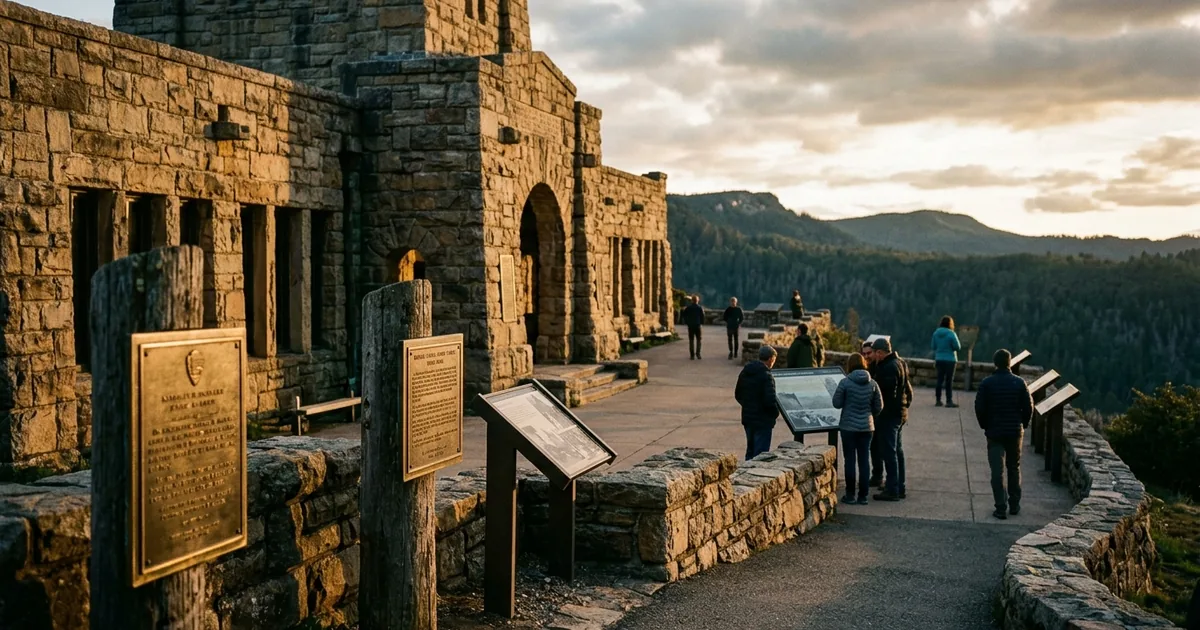
A federal judge in Boston ruled Thursday that the Trump administration must reinstall signs, plaques, and exhibits about slavery and climate change that were removed from national parks and monuments across the country, calling the removals a “dangerous precedent of censorship and sanitization.”
U.S. District Judge Angel Kelley issued a preliminary injunction giving the Interior Department 21 days to restore the materials, a timeline designed to ensure the exhibits are back in place before the nation’s 250th anniversary celebrations on July 4. The ruling is a pointed rebuke of a federal agency that spent months quietly scrubbing uncomfortable history from the places Americans visit to understand it.
What Was Removed and Why
The removals followed a Trump executive order directing federal agencies to present a more “patriotic” version of American history at public sites. In practice, that meant Interior Department officials pulled down exhibits at some of the country’s most visited landmarks. At Independence National Historical Park in Philadelphia, plaques acknowledging that enslaved people lived and worked in the building where the Constitution was drafted were taken down. At Fort Sumter in South Carolina, a sign explaining the role of climate change in coastal erosion was removed. At Acadia National Park in Maine, interpretive materials about Indigenous peoples were stripped from displays.
NBC News reported that the removals were part of a broader Interior Department review that also affected signage at Gettysburg, the Martin Luther King Jr. Memorial, and several sites along the National Mall.
The lawsuit was brought by a coalition of park conservationists, historians, and scientists who argued that selectively removing factual historical and scientific materials from public lands violated the First Amendment and the National Park Service’s own mandate to preserve and interpret history accurately.
The Judge’s Reasoning
Judge Kelley did not buy the administration’s argument that the removals were routine curatorial decisions. She wrote that the evidence showed a “coordinated effort to suppress disfavored viewpoints” rather than a legitimate exercise of editorial discretion. The distinction matters. Federal agencies have broad authority over how they present information at public sites, but that authority does not extend to removing factual materials because they conflict with a political message.
The ruling leans on a line of First Amendment cases establishing that the government cannot use its control of public forums to suppress particular viewpoints. Kelley found that the plaintiffs were likely to succeed on the merits, meaning the full case will proceed even as the injunction takes immediate effect.
The Interior Department responded by calling Kelley a “liberal activist judge” and signaling it would explore an appeal. That framing is predictable but beside the point. Kelley was nominated by President Biden and confirmed with bipartisan support in 2021, and the legal reasoning in her order tracks closely with established precedent on government speech and viewpoint discrimination.
Why This Fight Matters Beyond the Parks
This is not really a story about signage. It is a story about whether the federal government can edit the historical record at the places Americans go to encounter it. National parks are not neutral ground. They are the closest thing the country has to a shared civic classroom, visited by more than 300 million people annually, and they carry an outsized role in shaping how Americans understand their own history.
The administration’s approach to the parks fits a broader pattern of federal efforts to reshape public messaging on race, history, and climate. From curriculum battles in public schools to restrictions on diversity training in federal agencies, the underlying question is the same: who gets to decide which parts of American history are worth telling, and what happens when the answer is “only the comfortable parts.”
The 21-day deadline puts real pressure on the Interior Department. Appealing the injunction would require demonstrating that Kelley made a clear legal error, and the factual record she built in the order is detailed enough to make that a steep climb. The more likely outcome is that the exhibits go back up while the broader case moves forward, setting the stage for a longer legal battle over how much latitude federal agencies have to curate public history along ideological lines.
What Comes Next
The coalition behind the lawsuit has already signaled that they will push for permanent relief, not just a temporary injunction. If the case reaches the appeals court, it could produce a significant precedent on the intersection of government speech doctrine and First Amendment protections at federally managed public sites.
For now, the practical effect is clear: the plaques about slavery at Independence Hall, the climate signs at Fort Sumter, and the Indigenous history exhibits at Acadia are coming back. Whether they stay will depend on how far the administration is willing to push a legal argument that, so far, has not fared well in court.