
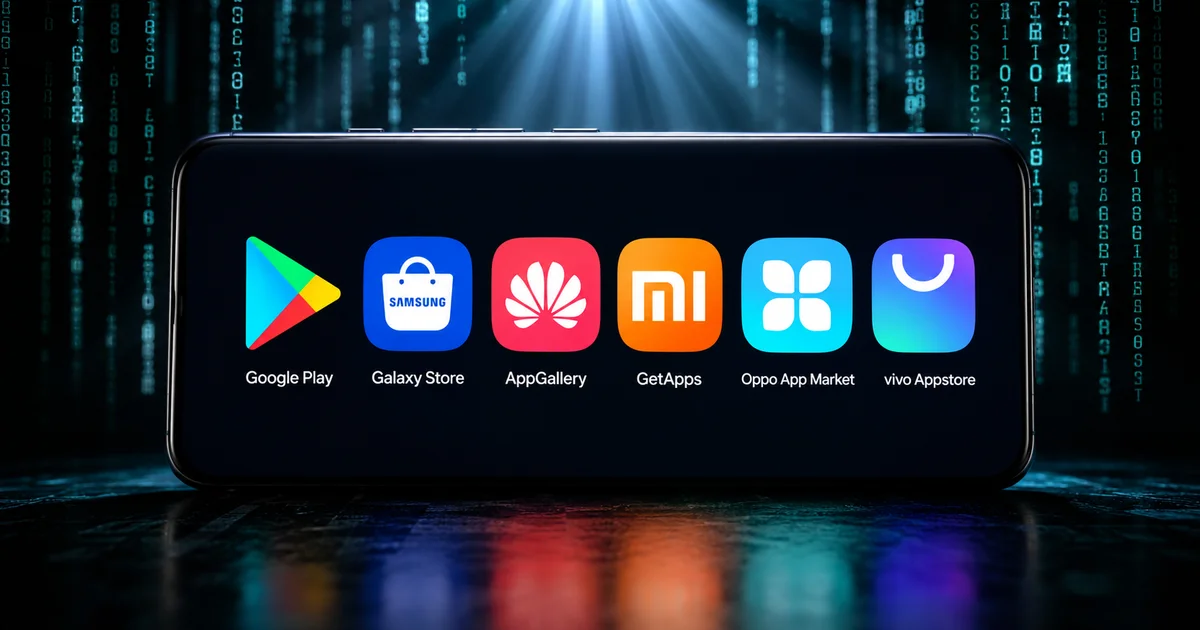
Google and Epic Games have jointly withdrawn their alternative settlement proposal, clearing the way for the original 2024 court injunction to take full effect.
Starting July 22, rival app stores will appear inside Google Play for the first time, and the Android ecosystem will never look the same.
The Settlement That Was Not
The backstory matters. After a jury found in 2023 that Google had illegally monopolized Android app distribution, the two companies spent months negotiating a modified settlement that would have given Google more control over the transition. On Tuesday, both sides walked away from that deal. Google framed the withdrawal as a way to “focus on executing our recently announced global business model evolution,” according to The Verge. The translation: Google lost the legal fight, lost the settlement negotiation, and is now complying with the original court order rather than continue burning legal fees on a process it cannot win.
Epic’s Tim Sweeney has spent years framing this as an existential fight for developer freedom, and the withdrawal validates that framing. The injunction stands unmodified, which means the full force of the court’s remedies takes effect, not a watered-down version negotiated behind closed doors.
What Changes on July 22
Google will launch what it calls the Play Catalog Access Program, a system that allows third-party app stores to distribute apps from the existing Google Play catalog. The mechanics are significant: users will be able to download alternative stores directly through Google Play without sideloading, removing the friction that has historically kept third-party stores marginal on Android.
Developers’ US app and game listings will automatically become available to rival stores unless they explicitly opt out. Third-party store operators must pay a $5,000 annual fee for “security and policy reviews” and keep malware below 1 percent of install attempts. The program is limited to the United States, matching the jurisdiction of the court order, as 9to5Google detailed.
The Business Model Shift That Matters
The real disruption is not the existence of alternative stores. It is the fee structure. Google’s 30 percent commission on in-app purchases, long the industry standard, is now competing against stores that can undercut it. Epic’s own store charges 12 percent. Samsung, Amazon, and other potential operators will set their own rates.
For developers, particularly indie studios and small publishers, the math could shift overnight. A game generating $100,000 in monthly revenue saves $18,000 per month by moving from Google’s 30 percent cut to Epic’s 12 percent. At scale, those numbers reshape the entire economics of mobile development.
Why This Time Is Different
Android has technically supported sideloading and alternative stores for years. The difference now is discoverability. Burying alternative stores behind security warnings and multi-step installation processes kept them invisible to mainstream users. By placing rival stores inside Google Play itself, the court order eliminates the single biggest barrier to adoption: the average user will encounter alternatives without seeking them out.
The opt-out structure for developers is equally important. Under the old system, developers had to actively choose to distribute outside Google Play, a decision that meant sacrificing the platform’s massive user base. Now the default is inclusion across all stores, and developers must actively choose to restrict their apps to Google Play alone. The behavioral economics of defaults are powerful, and Google’s competitors understand that.
The Bigger Picture
This is the first major structural change to a mobile app marketplace ordered by a U.S. court, and it sets a precedent that Apple is watching closely. Apple faces its own antitrust challenges in the EU and increasingly in the U.S., and Google’s compliance (or resistance) will become a template for how platform companies respond to competition mandates.
The irony is that Google spent years arguing that Android was already open. The court disagreed, and starting next week, we will find out what actual openness looks like.