
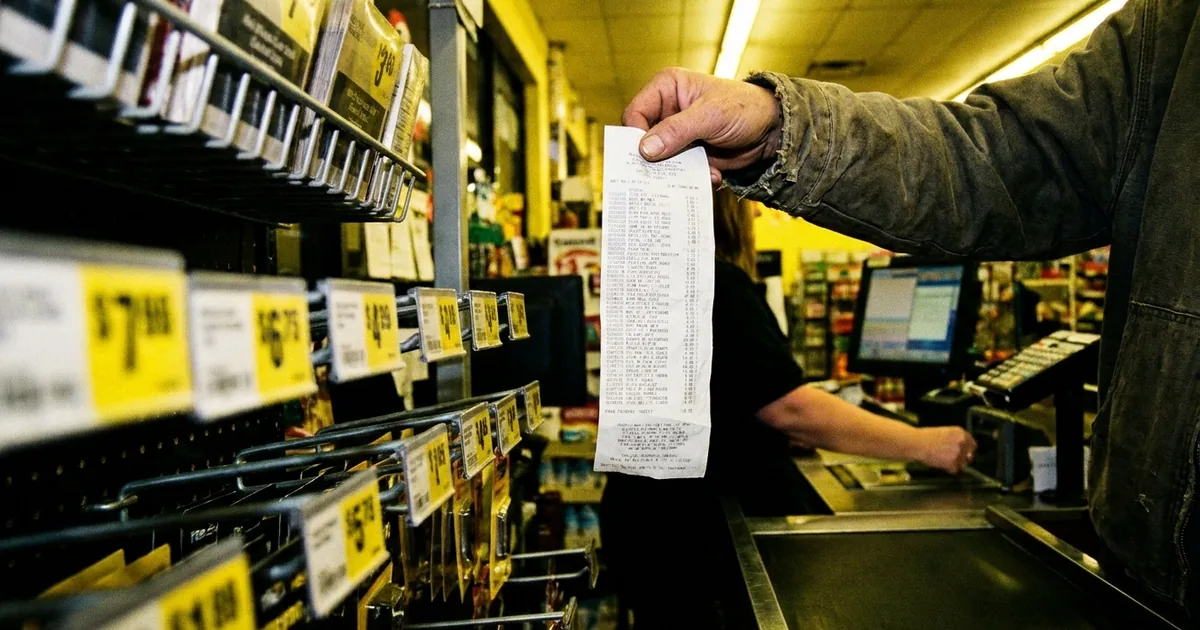
The Federal Trade Commission and 20 states sued Dollar General on Monday, saying the chain charged more at the register than the shelf promised in a pattern that “persisted for years.” The complaint counts 29,265 “Did Not Honor Marked Price” complaints between January 2023 and March 2026, about 25 a day for 1,186 days. Every report we read quotes the FTC. None sets the suit beside what state inspectors had already measured, so here is that ledger.
| State | What officials measured | What Dollar General paid |
|---|---|---|
| New Jersey, Nov. 2023 | 58 stores inspected, more than 2,000 cases of a register price above the posted price, up to $5.95 on one item | $1.2 million, with a $1.18 million civil penalty |
| Colorado, 2025 | 12 of 18 state inspections failed in 2024 and 2025, 3 of 5 in 2023 | $400,000 |
| New York, Oct. 15, 2026 | Secret shoppers overcharged on about 14 percent of items at 11 stores; 43 percent of 900-plus inspection reports showed failures above 2 percent, 2021 to 2023 | $1.875 million in donated food and goods |
| FTC and 20 states, Oct. 26, 2026 | 29,265 complaints in 39 months | Seeking an injunction, restitution and civil penalties |
Pricing the Behavior
Add the three state settlements and the total is $3.475 million, though New York’s is paid in groceries, not cash. The complaint, as reported, counts seven settlements in six states between 2019 and 2026 worth more than $6 million. Divide that by the chain’s 21,000-plus stores and you get about $286 a store over seven years.
New Jersey’s $1.2 million across its 186 stores works out to about $6,450 a store. Run that rate over 21,000 stores and you reach roughly $135 million. That is a scale check, not a forecast. The coverage we read does not say what the FTC is asking for, and Dollar General calls the agency’s monetary demands “orders of magnitude larger than any realistic assessment.”
What a Shopper Gets
Not a refund. New York’s penalty is a donation to Foodlink, a Rochester food bank, and the attorney general’s office also found receipts in “various confusing formats”: some show only the full price, some only the net price, some neither. That settlement and Colorado’s both require the chain to honor the lowest price when the shelf and the register disagree, in New York as a reform and in Colorado through posted signs.
So the practical advice is dull and it works. Photograph the shelf tag before you pay, read the receipt line by line, and ask for the lower price at the counter. In two states the company has put in writing that it must give it to you.
What We Think
Dollar General says its goal is “100% accuracy” and that “occasional price discrepancies can occur.” Twenty-nine thousand complaints in 39 months, secret shoppers hit on 14 percent of items, and failed inspections in 43 percent of New York’s reports are not occasional. The chain gets about 60 percent of its revenue from households earning $35,000 or less, so the overcharges land hardest on the customers the stores are built for.
In deal-room terms, seven settlements have priced this behavior at roughly $300 a store, and a business keeps a behavior that cheap. We think the FTC and the states are right to stop negotiating it one state at a time. What should happen is restitution to the shoppers who were charged too much, not donated groceries, and a chain-wide audit that does not depend on 20 attorneys general each finding the same problem on their own.