
Epic Games launched Fortnite OG Season 9 on Wednesday morning, and if you tried to log in between 6 and 7 AM Eastern, you already know the servers buckled under the weight of what might be the most anticipated OG season yet.
The nostalgia machine keeps printing, and the numbers suggest players are not tired of it.
What Season 9 Actually Brings Back
The original Season 9 dropped in May 2019 with the tagline “The Future is Yours,” and it was one of Fortnite’s most visually ambitious chapters. The map got a futuristic overhaul: Tilted Towers became Neo Tilted, Retail Row transformed into Mega Mall, and Pressure Plant replaced the volcanic wreckage of the previous season. The OG remix brings all of it back, rebuilt for the current engine.
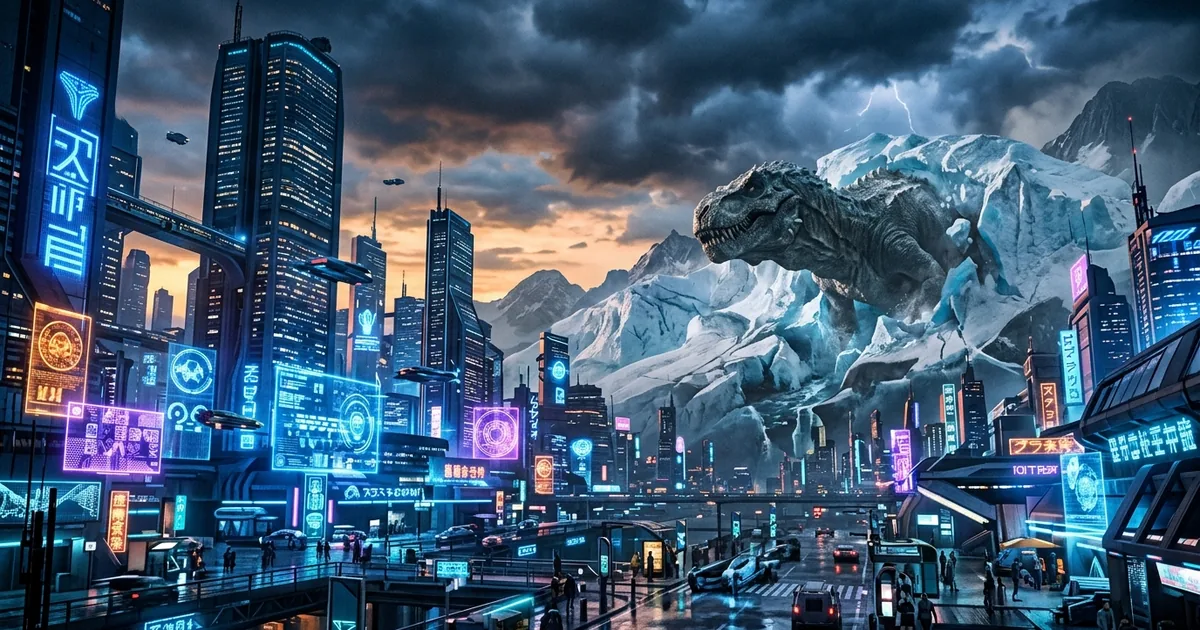
The centerpiece, though, is The Devourer. Polar Peak’s gradual melt during the original Season 9 revealed a massive creature trapped in the ice, a Kaiju-scale monster that set the stage for one of the most-watched live events in Fortnite’s history. The Monster vs. Mech showdown drew over 10 million concurrent viewers in 2019. Whether Epic plans to recreate that event for the OG version remains unconfirmed, but the community is betting on it.
The OG Pass and New Skins
Like previous OG seasons, Season 9 introduces Remix versions of iconic Battle Pass characters. Rox and Demi are getting updated skins, and the OG Pass includes the standard cosmetic ladder: emotes, back blings, pickaxes, and at least one additional character skin. The pass structure follows the same model Epic established when it relaunched the OG format last year, splitting the experience into a separate mode that runs alongside the main Fortnite chapter.
The Sprites system is also new this time around, though details remain thin as servers stabilize. Early reports suggest Sprites function as collectible companions tied to in-game challenges.
Why OG Keeps Working
There is a cynical read on what Epic is doing here: repackaging content players already paid for seven years ago and selling it back to them with a fresh coat of paint. That read is not entirely wrong, but it misses why the OG seasons consistently outperform expectations.
Fortnite’s original player base has aged. The kids who played Season 9 in 2019 are now in their late teens or early twenties. The OG mode gives them a reason to come back, and it gives current players a chance to experience maps and mechanics they only know from YouTube clips and Reddit posts. It is, functionally, a live-service game running its own greatest-hits tour, and the tour keeps selling out.
The traffic numbers back this up. “Fortnite server status” was one of the most searched terms in the United States on Wednesday morning, with Google Trends showing 2,000+ searches as players waited for the servers to come back online after scheduled maintenance.
The Business Behind the Nostalgia
Epic’s OG strategy is also a case study in how to extend the lifecycle of a live-service game that is approaching its tenth year. Rather than pouring all resources into new content that may or may not land, the company is running a parallel track that mines its own history. The development cost is lower (the maps and mechanics already exist), the marketing practically runs itself (nostalgia is free advertising), and the engagement spikes are reliable.
For a gaming industry still navigating mass layoffs and studio closures, Epic’s ability to keep Fortnite culturally relevant with recycled content is either inspiring or depressing, depending on where you sit.
The Competition Is Watching
Fortnite’s OG success has not gone unnoticed. Rival live-service games have experimented with their own nostalgia plays, though none have managed the same scale. Call of Duty’s remastered maps generate spikes but lack the cultural event quality that Fortnite’s live events deliver. Apex Legends has tried limited-time throwback modes without the same engagement lift. The difference is that Epic built the infrastructure for this from the beginning: Fortnite’s engine was designed to swap maps and mechanics on the fly, a technical advantage that makes the OG rotation feasible in ways most competitors cannot replicate.
The streaming ecosystem amplifies the effect. Every OG season launch generates a wave of content creator coverage, from Twitch streams to YouTube tier lists to TikTok clips of players reacting to seeing Neo Tilted for the first time. That organic reach is marketing money cannot buy, and it refreshes the game’s visibility across every platform simultaneously.
What to Expect This Week
Servers should stabilize by Thursday, and the first wave of community content, clips, montages, and tier lists, will flood social media within hours. If Epic follows the pattern from previous OG seasons, expect a mid-season live event teasing The Devourer’s return, followed by the main event in the final weeks before the season wraps.
Season 9 runs until the end of July, which means the Monster vs. Mech event, if it happens, would land right around the anniversary of the original. Epic knows exactly what it is doing.