
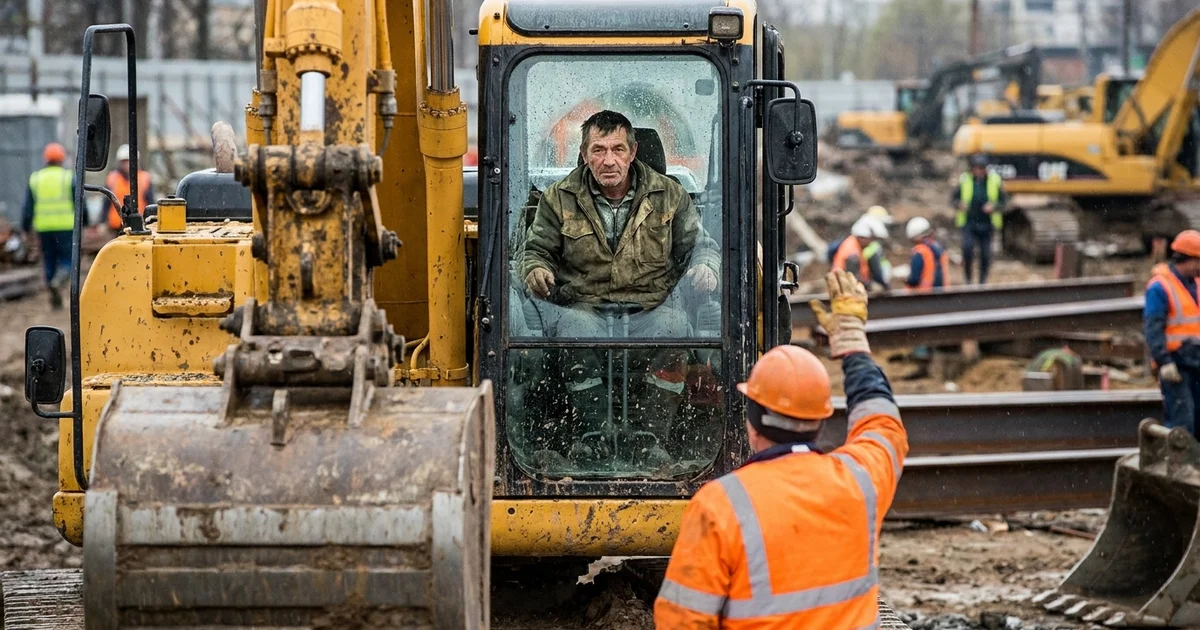
Operating heavy equipment on an industrial site might look straightforward, but it presents serious dangers. Basic knowledge is rarely enough because modern machinery requires deep technical understanding. Without it, you put yourself and your team at risk of sudden physical injuries.
To maintain safety, you must identify invisible hazards before they cause actual harm. Quality education fills this knowledge gap and gives you practical skills to understand complex situations. Here are five hidden risks that proper education can help prevent, keeping your workplace secure.
1. The Silent Threat of Complacency
Performing the exact same tasks daily can make you too comfortable behind machinery controls. Investing in comprehensive plant machinery training stops this dangerous complacency from developing. It constantly reminds you that heavy equipment requires total respect and strict attention.
You learn to stay alert, focused, and highly aware of the following signs of operational complacency:
- Skipping Safety Gear: Rushing tasks without mandatory harnesses leaves you entirely exposed to sudden injuries
- Rushed Inspections: Speeding through morning equipment checks means you easily miss critical mechanical faults
- Ignoring Leaks: Overlooking minor fluid leaks under the machine often leads to sudden hydraulic failures
- Failing to Check Blind Spots: Reversing without checking your surroundings puts nearby ground workers in immediate danger
2. Unseen Mechanical Strain and Wear
Industrial machines provide subtle operational feedback that you only understand with the right education. An untrained driver might push a diesel engine too hard without even realising it. This undetected strain gradually damages internal components, leading to major mechanical failures over time.
Proper courses teach you to monitor engine performance and respect the equipment’s working limits. This prevents unexpected breakdowns that halt projects and cost your business thousands of pounds. You catch minor issues before they turn into expensive, project-delaying problems.
3. Communication Breakdowns on Site
Construction sites are loud, busy, and visually overwhelming during peak working hours. Clear communication is the primary method keeping you and the surrounding ground workers safe. When protocols fail, the resulting confusion creates highly dangerous situations for everyone involved.
Proper courses teach universal signalling methods, so you can understand ground workers perfectly. You must rely on the following essential safety practices to maintain clear site communication:
- Establishing Eye Contact: Secure clear eye contact with ground workers before moving any heavy equipment
- Using Standardised Signals: Universal hand signals prevent dangerous misunderstandings during complex lifting manoeuvres on site
- Setting Exclusion Zones: Designated exclusion zones keep pedestrians safely away from the active machinery swing radius
- Conducting Radio Checks: Two-way radio checks before work begins guarantee a highly reliable communication lifeline
4. Hidden Legal and Financial Liabilities
You might only consider the physical dangers of machinery, but legal risks are substantial. If an accident occurs, safety investigators will immediately analyse your workplace training records. Failing to provide adequate operational instruction exposes your company to severe legal penalties. Insurance providers will also deny compensation claims if operators lack the correct certifications.
Proper certification processes create a reliable paper trail of regulatory compliance and care. It proves that you value workplace safety and follow health and safety laws. This formal documentation serves as your primary defence against serious legal and financial trouble.
5. Long-Term Health and Ergonomic Issues
You frequently focus on sudden accidents, but gradual physical injuries are equally damaging. Sitting inside a vibrating machine for ten hours strains your lower back if positioned incorrectly. Poor posture inside the cabin leads to chronic pain, often forcing operators into early retirement.
Quality instruction covers the fundamental principles of cabin ergonomics and personal occupational health. You learn how to adjust seating and controls to minimise reach, strain, and discomfort. Managing whole-body vibration is a critical skill that significantly reduces the physical toll. You learn to adjust driving speed to match the terrain and protect your spine.
Secure Your Site and Future-Proof Your Team
Workplace safety goes beyond wearing high-visibility clothing and standard hard hats. A dedicated commitment to educating everyone who operates your heavy equipment is essential. Investing in your team eliminates the hidden risks that constantly threaten your daily business operations.
Professional instruction forms the foundation of a successful, reliable construction firm. Make quality education your priority today and watch your worksite efficiency thrive safely.