
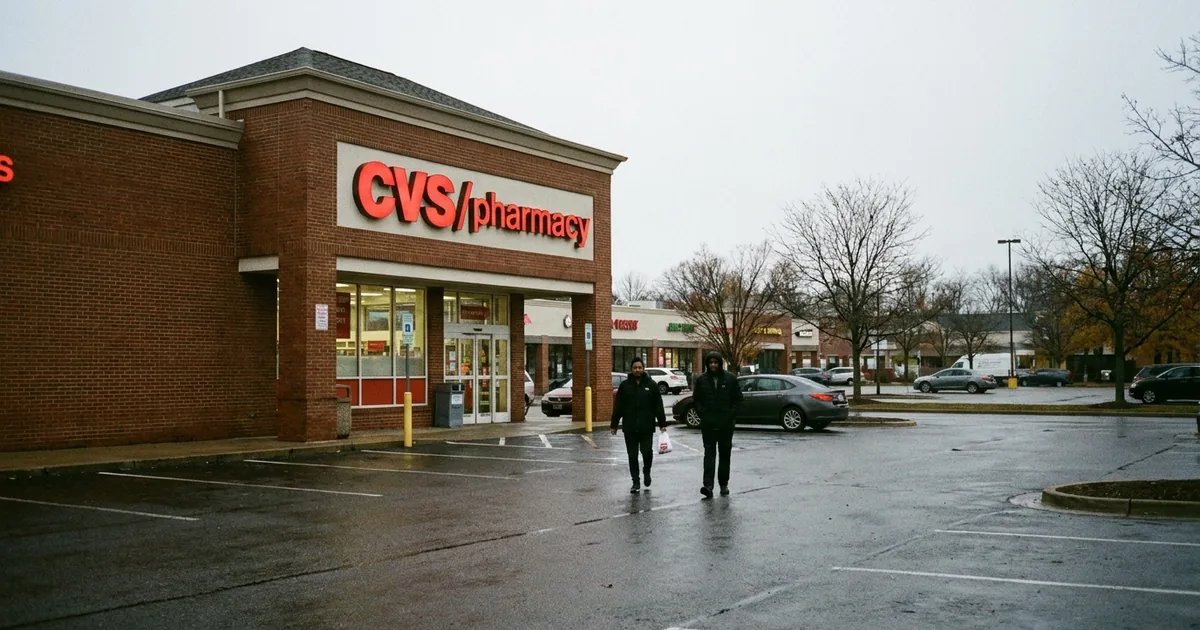
CVS will pay $315 million to settle the Justice Department’s case that it filled illegal opioid prescriptions and billed Medicare and other federal programs for many of them, without admitting liability. The number is the headline everywhere this morning, but the more revealing figures in the deal are two dates, and they say the case began with one former employee and ran three years past the last time CVS promised to fix this.
What the Justice Department said
“Not only does this settlement hold bad actors accountable for their fraudulent activities, but Americans are safer because of it.” Associate Attorney General Stanley E. Woodward Jr.
What the settlement’s own dates show
The allegations it resolves run through December 2, 2025, three years after CVS signed a $5 billion deal with the states that already required it to monitor and report suspicious opioid prescriptions.
The Date That Explains the Case
Read the Justice Department’s announcement closely and the covered period starts on an oddly specific day, October 17, 2013. That is not when CVS’s dispensing problems began. It is exactly six years before October 17, 2019, the day a former CVS employee named Hillary Estright filed her whistleblower suit under the False Claims Act, whose basic statute of limitations reaches back six years. The government’s case was her case. It intervened and took it over, and her share of the $315 million has not been set.
Here is the sequence, built from the two Justice Department releases and the 2022 state settlement:
- October 17, 2013: the covered period begins, six years before the whistleblower filed.
- October 17, 2019: Estright files her sealed suit.
- December 2022: CVS finalizes a $5 billion, 10-year settlement with the states, including court-ordered terms to “monitor, report, and share data about suspicious activity related to opioid prescriptions”.
- December 2024: the Justice Department files its complaint in Rhode Island, alleging “trinity” prescriptions, pill-mill prescribers and understaffed pharmacies.
- December 2, 2025: the covered period ends.
- October 13, 2026: $315 million, no admission of liability.
Three Years After the Last Promise
Item three is the one to sit with. The new deal’s “remedial measures” are a DEA agreement requiring a hotline, proactive monitoring of dispensing patterns and a process for evaluating suspect prescribers. Those are close cousins of what CVS agreed to in 2022, and the conduct now being settled allegedly continued for three more years after that.
What $315 Million Buys
CVS reported 2025 revenue of $402.1 billion. That is about $1.1 billion a day, or $45.9 million an hour. The settlement comes to roughly 6.9 hours of last year’s sales. Spread across the 12 years it covers, it is about $26 million a year, for a chain with more than 9,000 pharmacies.
The Pattern Across Three Chains
CVS is the third national chain this Justice Department has settled with over opioid dispensing:
- Walgreens: up to $350 million in April 2025, an amount the department said was set by Walgreens’ ability to pay.
- Walmart: $50 million in August 2026, closing a case the government brought in 2020.
- CVS: $315 million this week.
Add them up and three of the biggest pharmacy chains in the country have paid at most $715 million combined to end the federal government’s dispensing cases.
What Should Happen Now
We do not think Americans are safer because of this. A payment worth less than seven hours of sales, for allegations that outlasted a court order, is a cost of doing business.
Three things would change that. Publish how many prescriptions and claims the government found. Set Estright’s share in public, because the system only works if the next pharmacist believes it pays to speak. And have the DEA report, by store, whether the monitoring CVS has now promised twice is actually happening.