
“I wasn’t surprised, but I was disappointed.” Rep. Thomas Massie, after the vote
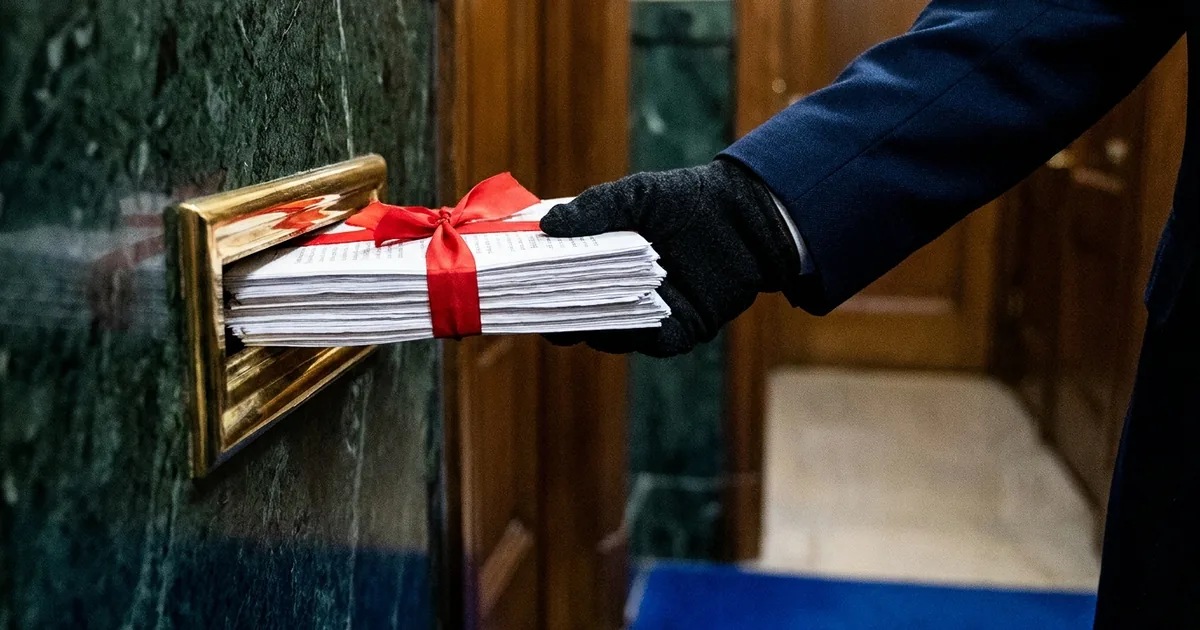
The House voted 211-204 on Tuesday to send the impeachment of Defense Secretary Pete Hegseth to the Judiciary Committee, a move that effectively kills it. Thomas Massie of Kentucky, who wrote the eight articles, was the only Republican to vote no. Not one Democrat voted yes.
Outlets report the tally, and the BBC notes that 11 Democrats missed the vote. None we read shows what the count would have been with everyone in the room. Roll Call 317 lists 433 members and 18 who did not vote: 11 Democrats and 7 Republicans. We did the arithmetic. Count Kevin Kiley of California, the one independent on the roll, with the Republicans, as he voted. Then give every absent member the vote their party cast. The motion to refer passes 218-215. A cushion of three.
Move two more Republicans to the no side and it flips to 216-217. The motion fails, and the impeachment stays alive on the floor.
That is a model, not a forecast. An absence is not a vote, and the record does not say how any of those 18 would have gone. What it does say is that the referral won by seven on the night and would have won by three with everyone in the room.
The White House account
Trump called the result the “EXONERATION of a Great American Patriot.” Hegseth, at his first Pentagon briefing in six months, called the effort “a farce” and “a stunt,” and said: “This is not patriotism. This is sabotage.”
The record
The question before the House was “On Motion to Refer,” the Clerk’s record says. Its roll calls for the day show a single vote on H.Res. 1655, and it was this one. No article was voted on. Nothing was found, proved or cleared.
Exoneration is a finding. Nobody found anything on Tuesday. A House that had voted on none of the charges handed the papers to a Republican-led committee, and nothing in the vote requires that committee to act.
Republicans gave the reasons you would expect. Don Bacon of Nebraska said he doesn’t “really align with the impeachment itself.” Darrell Issa of California said “It’s going to die in the Senate; it’s just that simple.” Others, frustrated with how Hegseth has run the Iran war, still did not think his conduct rose to the level of impeachment.
Issa’s argument skips the House’s job. The House examines the charges and decides whether they merit a trial. Saying the Senate will not convict is a forecast about the second step, offered as a reason to skip the first. We think that gets it backwards.
The charge that Hegseth’s briefing never answered is still sitting there. In our read of the eight articles, Article II is the one a lawful-order defense does not reach. It says Hegseth was still directing the Iran war on June 26, three days after the Senate passed a concurrent resolution ordering forces out. Tuesday’s vote means no House committee has to say whether that is true.
Massie forced the question in September, when he read the articles aloud and started the clock on a floor vote. House leaders recessed early instead and pushed it past the midterms. He lost his primary to a Trump-backed challenger and leaves Congress in January. His stated bet was that a live impeachment might push Trump to replace Hegseth while a Republican Senate could still confirm a successor. The BBC also reports that Sen. Ted Cruz said Tuesday he expects Hegseth to resign or be fired. We found no second outlet carrying that, so treat it as the BBC’s report.
Massie says he is done filing articles against Hegseth and will turn to a war powers resolution. Democrats are not done. Hakeem Jeffries said “This is not the end of it. It’s just the beginning,” and has promised that Democrats will “run Pete Hegseth out of town” when they take over Congress next year.
On a full-attendance count, Tuesday needed two more Republicans. The war powers vote Massie says he will force is the next place to look for them.