
The image of United Nations peacekeepers surveying a silent ceasefire line with binoculars is a thing of the past. Stabilization operations carried out today are in war-torn regions where there’s no peace to maintain. It’s more about warring sides than just a thin veneer of stability to impose.
Across the Sahel and Central African forests, non-state actors threaten international forces, ignoring all laws of war. Such a change in modern peacekeeping operations demands a new approach to equipment and vehicle choices today. It’s about abandoning soft-skinned transports for platforms that keep crews alive in non-permissive environments.
Balancing Mobility With Essential Crew Safety
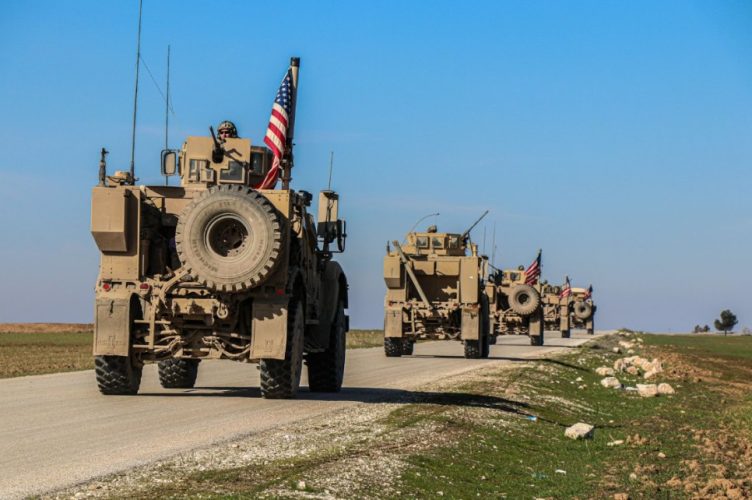
In modern doctrine, the priority is rapid deployment with maximum efficiency today. It can’t ever compromise crew safety on patrol. Military planners realize that light armored vehicles with high mobility offer a balance of speed and defense. They’re well-suited for moving safely across rough terrain on patrol. This has enabled quick reaction forces to move through narrow urban avenues or rugged rural routes blocked by larger tanks. It allows security forces to maintain a presence where it’s required.
The character of the threat has been adjusted to the terrain and moved towards uncover fire instead of underground ones. Insurgents often use improvised explosive devices to sabotage critical supply lines. Because of this, vehicle hulls must include advanced blast protection within their overall design. This shielding lets occupants survive the impact of a blast.
The Rising Danger of Asymmetric Warfare
The need for such protection is based on statistical facts of modern asymmetric warfare. A nightmarish example is the UN mission in Mali, where improvised explosive devices dominate operations. They’re major contributors to ongoing, deadly hostilities there.
It’s reported that over half of peacekeeper deaths happened in some deployments. These deaths resulted from roadside bombs and mines. In asymmetric wars, insurgents deploy relatively inexpensive explosives to attack high-value convoys, creating an imbalance of costs. These militaries adapt with high-tech defensive weaponry to reduce the risk level.
Engineering Survival Through Material Science
To survive in such conditions, it’s not enough to adhesively connect thicker plates of steel to the truck chassis. Next-generation survivability systems now utilize advanced composite materials that offer exceptionally high tensile strength. They don’t have the weight penalties of traditional metal armor.
Engineers combine these energy-absorbent seats and floating floor systems to isolate the crew within a vehicle’s hull. This structural efficacy stops explosion shockwaves from propagating to the occupants’ skeletal system, greatly reducing transmitted blast forces. It still cuts spinal injury risk despite catastrophic damage to the vehicle.
Tactical Advantages of Light Armor Over Heavy Tanks
Although heavy tanks also provide tremendous protection, it’s been observed that they’re sometimes unproductive in modern stabilization missions on deployment. Here, the key goal is really winning local population support above all else. The destruction of delicate infrastructure like bridges and tarmac roads by heavy tracked vehicles often alienates local communities. It undermines the very missions that are actually supposed to support them.
Heavier wheeled platforms are less offensive yet will protect against light arms fire and fragmentation. This unique strategy lets peacekeepers interact with civilians without presenting the imposing image of a main battle tank. It resolves the discrepancy between force protection priorities and genuine community interrelation.
Extending the Operational Range of Reaction Forces
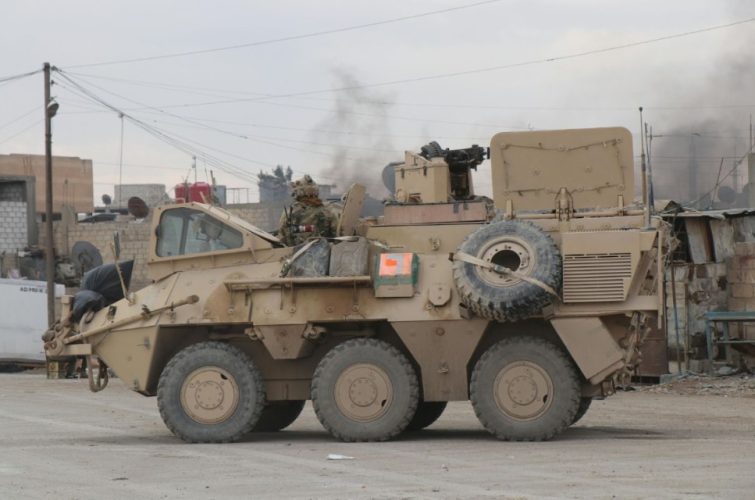
Another key consideration for lighter, agile platforms is their ability to travel far. This gives them an advantage on long, high-velocity journeys. Peacekeepers in the Democratic Republic of the Congo patrol regions comparable to Western Europe. They do so with minimal manpower.
Smaller vehicles use fewer resources, endure less wear, and have a broader operational scope when compared to heavier vehicles. This reach lets emergency response teams get to the site quickly enough. By arriving within the incident’s critical initial period, they can respond effectively to each distress call. Otherwise, transport could mean lives are lost because people aren’t reached in time.
Streamlining Logistics in Remote Theaters
The strategic deployment is dependent on how viable it would be to transport equipment to landlocked or remote theaters. Large armored personnel carriers may require heavy sea lift and specialized rail transport. These resources aren’t usually available in active conflict areas.
Modern light armored platforms, on the other hand, are designed for cargo installation. They’re for standard tactical airlifters, such as the C-130 Hercules. It’s due to air transportability that lets commanders get troops into the theater. They get in within hours, not weeks, which lets them retain the element of surprise as well. It also lets them seal security gaps as soon as they arise.
Fortifying the Future of Global Stability
The peace imperative is still human in nature, yet the technology needed to implement it is developing. It’s being developed to reflect the killing capabilities of contemporary warfare. Governments and international organizations must not stop investing in flexible, highly secure mobility systems to counter the IED menace.
The initial step towards empowering the peacekeepers to protect others is to ensure that they make it home safely. The fusion of hi-tech armor and blast-resistant constructions isn’t progress. But it’s a necessity to employ this development to guarantee the continuity of global stabilization. This ensures that the entire global stabilization process must continue uninterrupted.