
Picking wheels for your truck or SUV used to be simple. You just got whatever the dealer had. Those days are long gone. Now, wheel size is a critical performance choice. It is a direct dial for tuning how your vehicle feels and functions. A bigger wheel is not just a fashion statement. It is an engineering decision that touches everything from pothole comfort to cornering grip.
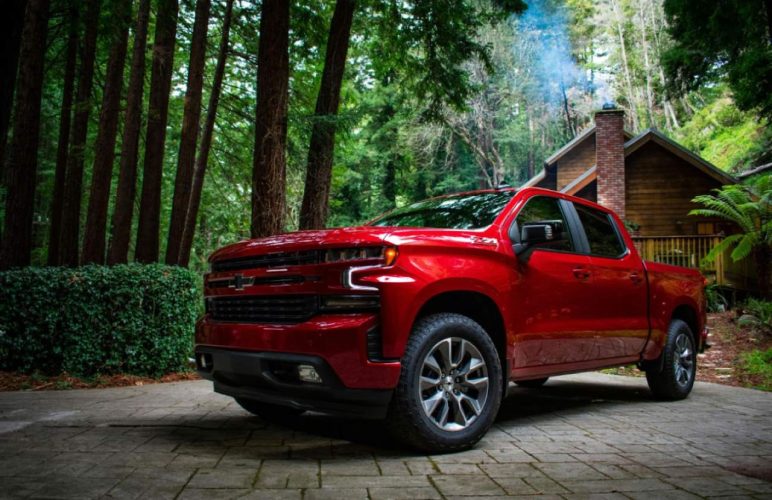
Choosing the right package is key. Many buyers find a great balance in a popular option like Chevy 20 inch factory wheels and tires. This guide breaks down what those inches really mean for your ride.
It Is All About the Sidewall
First, let us clear up a major point of confusion. The wheel diameter is only half the story. What truly matters is the tire’s sidewall—the rubber between the rim and the road. A larger wheel, like a 20-inch rim, is typically paired with a shorter, lower-profile tire. An 18-inch wheel gets a taller sidewall.
Automakers often design different packages to keep the overall tire diameter similar. So, when you choose between an 18-inch or 20-inch factory package, you are really choosing between more rubber or more metal.
The Comfort Equation
Here is where your daily drive is affected. Taller sidewalls on smaller wheels are fantastic shock absorbers. They soak up bumps, potholes, and road imperfections. This leads to a noticeably softer, quieter, and more forgiving ride.
Larger wheels with thin sidewalls have less cushion. You will feel more of the road’s texture. Every crack and seam transmits directly into the cabin. For a daily driver or long-haul cruiser, the comfort of an 18-inch setup is a huge plus.
Grip, Handling, and Response
This is where bigger wheels shine. A shorter, stiffer sidewall flexes less during hard cornering. This gives you sharper steering response and a feeling of being firmly planted. The vehicle feels more connected to the road, especially on smooth pavement.
For spirited driving or towing on highways, this enhanced stability and control is a real benefit. It is why a sporty look often comes with a sportier, firmer feel.
The Off-Road Reality
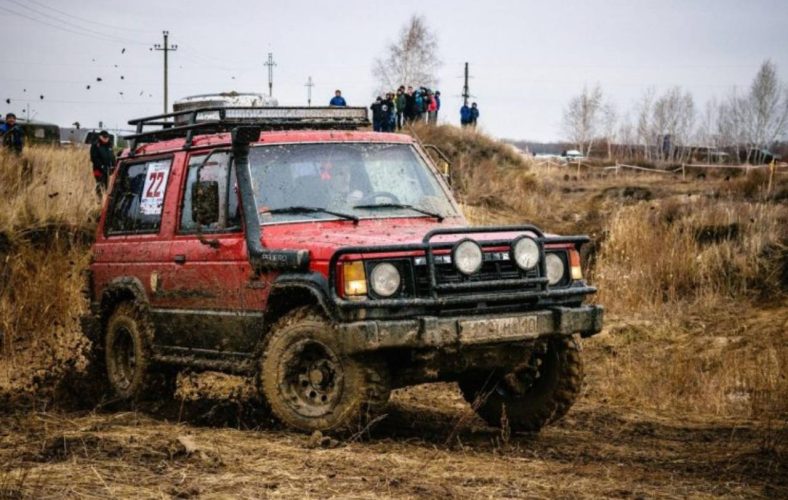
Look at any serious off-road build. You will see smaller wheels wrapped in massive, balloon-like tires. There is a good reason for this. A tall, flexible sidewall is an off-roader’s best friend. It can conform to rocks and logs.
Drivers can also “air down” their tires for a larger contact patch without worrying about the rim hitting the trail. A large 20-inch wheel with a short sidewall is far more vulnerable to damage from rocks and curbs. For true trail capability, smaller wheels generally have the advantage.
The Hidden Costs: Weight and Efficiency
Performance is not just about grip. It is also about acceleration and efficiency. Larger, heavier wheels increase what is called “unsprung weight”. This is the mass your suspension must control. More weight here can lead to a slight reduction in acceleration and fuel economy. Your engine works a bit harder to get everything spinning.
Furthermore, replacement tires for 20-inch wheels are often more expensive than those for 18-inch setups. This is a long-term cost to consider.
Making the Smart Choice for You
So, what is the right call? It hinges entirely on your priorities.
- Choose 18-inch wheels if your priority is a smooth, comfortable ride, better off-road capability, lower tire costs, and potentially better fuel economy.
- Choose 20-inch wheels if you value a sportier, more responsive feel on pavement, prefer the aggressive, modern aesthetic, and do most of your driving on well-paved roads.
For many buyers, a factory 20-inch package offers a perfect blend. It provides the desired look and on-road handling without the guesswork of aftermarket fitment. The engineers have already balanced the package for your specific truck.
The Final Verdict
There is no single “best” wheel size. It is a classic trade-off. You are trading plush comfort for sharp handling, or off-road toughness for street presence. Understanding this trade-off is the key to satisfaction. Do not choose based on looks alone. Think about where you drive and what you feel when you get there.
The right wheel size does not just change how your truck looks. It fundamentally changes how it performs.