
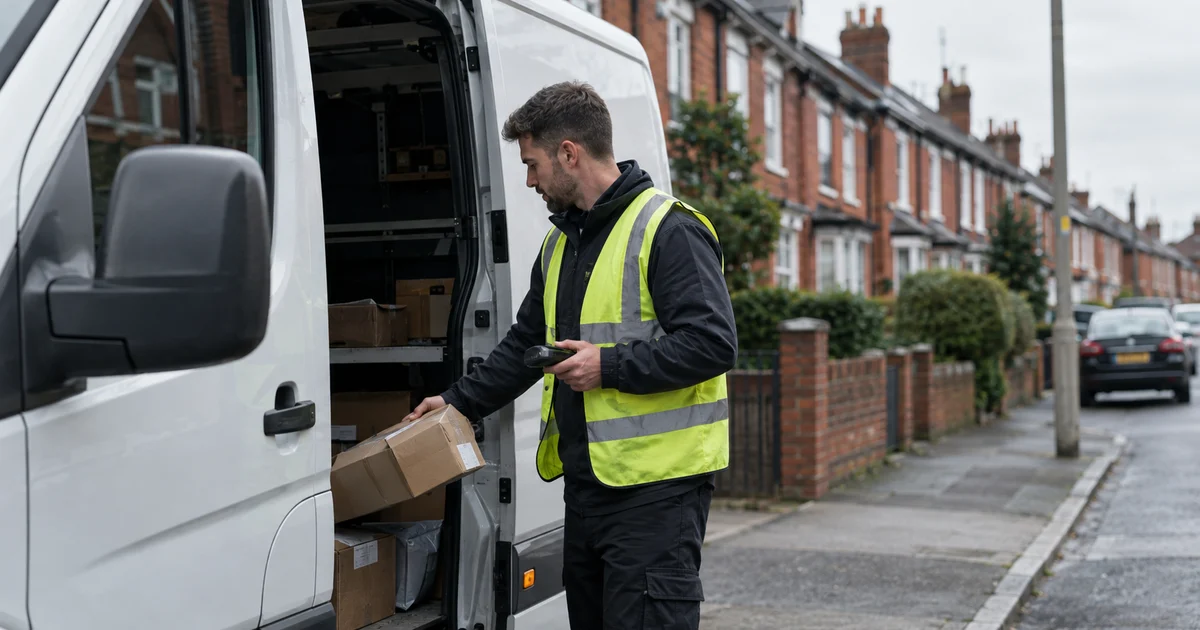
The UK parcel market keeps growing. Online shopping feeds it every day. That creates space for new couriers, but only for those who run a tight operation.
A courier business looks simple. Buy a van, collect parcels, drop them off. In practice, profit depends on routes, insurance, compliance and cash control.
This guide covers the technical side of starting up. Follow the steps in order and you avoid the costly mistakes.
Choose Your Courier Model
Define your service first. It shapes your vehicle, your insurance and your pricing.
Common models in the UK include:
- Same-day urgent courier for legal, medical and retail clients
- Last-mile delivery for online sellers and parcel networks
- Scheduled B2B rounds for pharmacies, restaurants and offices
- Specialist loads, such as temperature-controlled or oversized freight
Pick one model to begin with. Same-day work pays more per drop. Last-mile contracts bring steadier volume. Mixing both too early splits your fleet and your focus.
Then set your patch. A radius of 15 to 25 miles keeps fuel use and dead mileage low. Density beats distance in courier work.
Handle Registration and Compliance
Choose a legal structure. Most new couriers go sole trader or limited company. A limited company separates personal and business liability. It also looks stronger to corporate clients.
Register with HMRC. VAT registration is compulsory once taxable turnover passes £90,000. Many B2B couriers register earlier to reclaim VAT on vans and running costs. Keep every fuel and repair receipt.
Check data rules. You handle names and addresses, so you will likely owe the ICO data protection fee. Store proof of delivery records securely and delete them on a schedule.
Vehicle weight matters. Vans up to 3.5 tonnes gross weight do not need an operator’s licence for domestic work. Heavier goods vehicles do. Confirm your setup with DVSA guidance before you buy.
Get the Right Insurance
Standard van cover will not protect a courier. You need hire and reward insurance. It covers carrying goods for payment. Without it, an insurer can reject a claim.
Then add the cover your model requires:
- Goods in transit, sized to your highest value load
- Public liability, for third party injury or property damage
- Employers’ liability, which is a legal requirement once you hire staff
Plan Routes Before You Drive
Routes drive your profit. Plan them before each shift, not on the road. A round of 40 stops has too many variables to sequence by hand. Use delivery routing software to order stops, set time windows and cut backtracking.
Track three numbers: cost per drop, drops per hour and failed delivery rate. Together they show whether a route earns money. Review them weekly.
Capture proof of delivery every time. A photo, signature or geotagged timestamp settles disputes. It also supports your invoices. Clients pay faster when the evidence is clear.
Write down what you will not carry. Dangerous goods, cash and uncontrolled perishables are common exclusions. Put these limits in your terms of service.
Price for Profit
Work out your cost per mile first. Include fuel, insurance, maintenance, road tax, depreciation and your own wage. Then add a margin. New couriers often forget their own time and undercharge.
Separate fixed and variable costs. Insurance and vehicle finance stay the same each month. Fuel and servicing rise with mileage. Divide fixed costs by working days to find your daily break-even. Then divide by your margin per drop to get the drops needed each day to break even.
Charge for waiting time, failed deliveries and out-of-zone drops. Common extras include waiting beyond 10 minutes and redelivery fees. Put every extra in your contract. Verbal terms lead to arguments.
Set payment terms of 14 to 30 days and chase on the due date. Cash flow kills more small couriers than weak demand.
Finance Your Vehicles
Vans are your biggest cost. You can buy outright, use hire purchase or lease. Leasing keeps upfront cash low, but it changes your accounts. Amendments to FRS 102 bring most lessee leases onto the balance sheet for periods starting on or after 1 January 2026. Study how leases under UK GAAP affect gearing and loan covenants before you sign.
Compare total cost, not the monthly payment. Check mileage caps, excess mileage charges, wear clauses and end-of-term fees. Couriers drive high mileage, so caps hurt.
Consider electric vans. They cut fuel cost and avoid ULEZ charges in London. Check depot charging access and your typical daily range first.
Range falls in cold weather and under heavy load. A van that stalls mid-round costs more than the diesel you saved. Test on a real route before committing.
Build a maintenance reserve. Tyres and brakes wear fast on high-mileage vans. Book services on a fixed schedule. Plan for downtime with a backup vehicle or a short-term rental agreement.
Run daily walkaround checks and log them. DVSA expects roadworthy vehicles. A written record protects you after an incident.
Hire the Right Way
You can start solo. Growth needs help. Decide whether drivers are employees or self-employed. Status depends on how the work runs in practice, not on the label in the contract.
Employees give you control over uniform, hours and standards. Contractors offer flexibility, but they should have a genuine right to send a substitute and refuse jobs. Misclassification brings back-tax bills and penalties. Check HMRC’s employment status guidance.
Scale Without Losing Control
Growth needs structure. Many owners bring in a business growth strategist to test pricing, client mix and expansion plans before buying more vans. An outside view catches weak spots early.
Add a van only when current vehicles run near full capacity for several weeks. Track utilisation as productive hours divided by paid hours. Idle vehicles still cost money.
Watch client concentration. If one client supplies more than a third of revenue, you carry real risk. Their exit would leave you covering fixed costs alone.
Prepare a client pack. Corporate buyers ask for insurance certificates, GDPR policies, health and safety documents and references. Having these ready shortens onboarding.
Win Your First Clients
Claim your Google Business Profile and list your service areas. Local search brings in small businesses that need reliable couriers.
Build one page per service and area. “Same day courier in Manchester” beats a vague homepage. Add real photos, pricing guidance and contact details.
Approach pharmacies, solicitors, florists and print shops directly. Offer a trial week and follow up within 48 hours. Recurring local rounds give you a stable base of revenue.
Know the Margin Reality
Demand exists, but the market is competitive. Price pressure is real.
According to Ofcom’s 2024-25 post monitoring report, domestic parcel services earned £9.1bn, a rise of only 0.9% in real terms. Revenue growth is slow, so efficiency decides who profits.
Treat every route as a small business. Measure it, price it and fix it. Add capacity only when the numbers support it.
Get the legal setup, insurance and pricing right before your first drop. Then tighten operations week by week. That discipline builds a courier business that lasts.