
A new car looks perfect on day one. Then comes the first rock chip, bug stain, scratch! There is a question on many people’s minds: how much is an additional layer of protection going to cost me? This article explains how it works, what it costs, and who benefits most so you can make a smart choice.
What Is PPF and How Does It Work
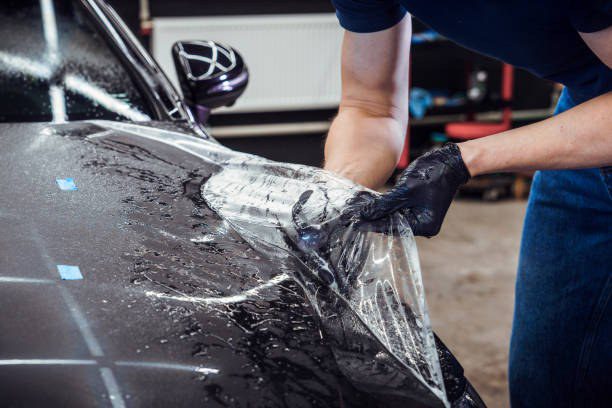
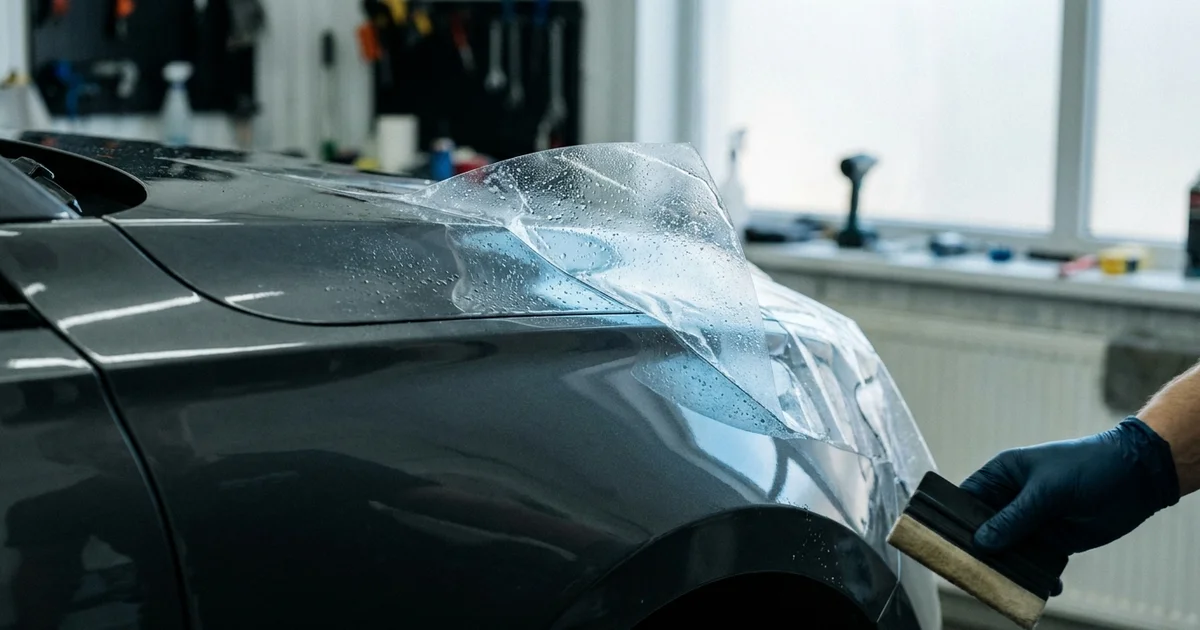
Paint protection film, also called a clear bra, is a transparent urethane layer applied to the painted surfaces of your vehicle. It captures impacts from rocks, gravel, and road debris from affecting your paint. The film used in this film is thermoplastic urethane, a tough and flexible material. It’s almost invisible, and your original color and finish remain as manufactured. Many of the films that are available today are even self-healing, meaning that they will fade out if you begin to scratch them and heat them up in the sun.
Why New Cars Benefit Most
A new car has pristine paintwork, which is expensive to repair if it gets damaged. Starting protection early will result in protection of the perfect paint the whole time, without a need to make heavy corrections first. Damage only gets repaired when it happens – then you pay for protection. It also shields from bird droppings, tree sap, bug splatter, and UV fading. Early protection helps your car keep its value when it is time to sell or trade it in.
Cost and Coverage Options
The price is dependent on the amount of your car that you cover. The price of a partial front package for bumper, hood, fenders, and mirrors typically ranges from $500 to $1500. A full front end usually costs $1,500 to $3,000. Covering the entire vehicle can reach $5,500 to $8,000 or more. The final quote depends on the size of the vehicle, brand of film, and the skill of the installer. Many shops also offer package pricing when you add other services.
How Long It Lasts
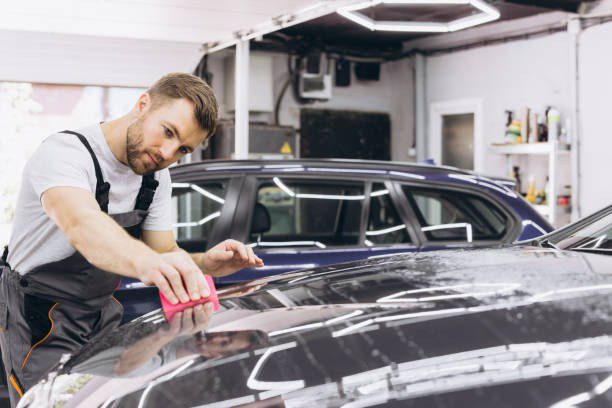
Quality films usually last five to ten years, and many come with a manufacturer warranty of up to ten years. XPEL and 3M are well-known brands. A good film does not yellow, and it does not become cloudy as it ages. The film will also block out most of the UV rays, allowing the paint to remain vibrant. Hand washing and regular maintenance are important so the film lasts as promised.
How the Installation Works
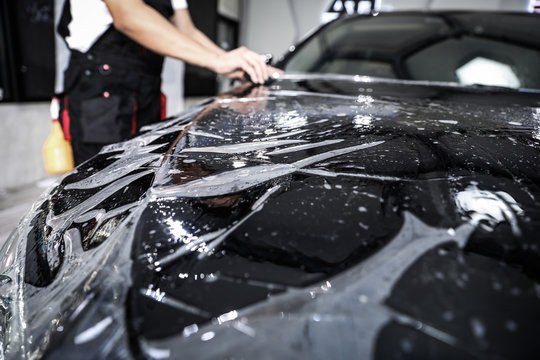
The best installers begin by cleaning the vehicle and getting rid of the contaminants by using a clay bar. If there are flaws in the paint, the flaws are corrected first so that there will be no flaws sealed under the film. The film is then cut to fit and treated with a soap solution, so that it can be carefully positioned. Squeegees to remove air bubbles, and the edges are wrapped. A final inspection is used to determine if any lifting edges or trapped dust is present.
Film Compared to Ceramic Coating
A ceramic coating will give the car some shine and help it wash more easily but won’t block rock chips or deep scratches. Physical damage is much better managed by PPF. Many owners opt to do both and use film on top of high-impact areas for easier cleanup. This combination makes for both strength and shine.
Is It Worth It for You
It depends on your usage of the car. The film can keep you from expensive paint repairs if you drive on the highway often, park outdoors, or will use it for many years. For people who drive less, store the vehicle in the garage, or are looking to sell it up-coming, a partial front package might be sufficient. It can be considered as the equivalent of insurance for exposed surfaces of your vehicle. A professional installer can help you choose the right coverage for your budget.
Conclusion
PPF is a good deal from the car owner’s point of view. It prevents fresh paint from being chipped, scratched, and worn down by everyday use, and helps maintain its resale value. It’s a reality of the initial expense but may be much less than the cost of repainting down the road. Start with the areas that take the most hits and build from there.