
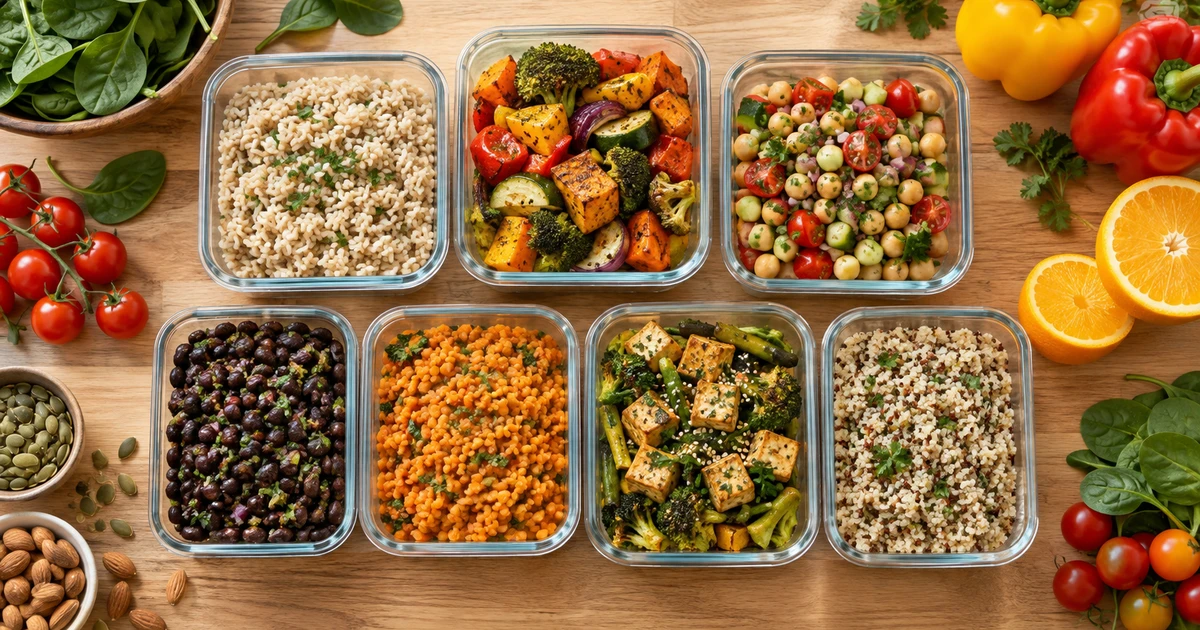
Transitioning to a vegetarian lifestyle is a wonderful choice for your overall health and the local environment. There are lots of people who want to try to consume more plant-based foods, but find it hard to get a handle on cooking without meat each day. Many people think that without meat, they are left with side salads. In truth, vegetarianism is a very versatile and delicious, as well as nutrient-rich diet. A healthy eating pattern can help you to feel full all day long! If you’re a vegetarian who’s new to the game, this is a quick reference to get you started in planning a successful vegetarian meal.
Securing High-Quality Protein Sources
When people first become vegetarians, the biggest question they have is where to get their protein. Protein is essential for building muscles and for a healthy immune system. Thankfully, there are lots of amazing protein-rich plants to choose from. Satisfy your needs by consuming black beans, lentils, tofu, and quinoa. If you are unsure how to balance these ingredients correctly, seeking professional guidance from experts at JM Nutrition can help you build customized weekly meal plans. Eating various plant proteins throughout the day will allow your body to make the most of all of the proteins it needs.
Focusing on Essential Vitamins and Minerals
If you have decided to cut meat out of your diet, you should look out for certain micronutrients. Iron, calcium, and vitamin B12 are especially important for new vegetarians to monitor closely. Dark leafy greens, pumpkin seeds and cooked lentils are good sources of plant based iron. To help your body absorb this iron efficiently, pair these foods with vitamin C, like a fresh orange or bell pepper. Fortified plant milks and raw almonds are good sources of calcium. Vitamin B12 is primarily derived from animal sources so it is advisable to have a daily supplement to keep you energized.
Building a Simple Weekly Prep Schedule

The one secret to a successful meal plan is setting aside time weekly to prepare food. Trying to cook a complex dinner from scratch every single night often leads to fast burnout. Rather, decide on one particular day of the week to prepare big meals of basics. Roast a big tray of mixed vegetables, boil a large pot of brown rice and cut fresh greens for quick salads. If you are super exhausted at the end of the day, the healthy ingredients in your refrigerator will be just in time to help you avoid ordering that costly take-out.
Exploring Global Flavor Profiles
A vegetarian diet should not be a restricted or tedious eating plan. A great way to make any day’s meal interesting is to try some international cuisine. Great tasty plant based dishes have been enjoyed by many cultures around the world for millennia. Indian cuisine offers incredible lentil curries rich in warm spices. Hearty black bean tacos with fresh avocado and salsa are common in Mexican dishes. Mediterranean cooking features wonderful chickpea salads drizzled with healthy olive oil. You can vary your diet and will not get tired of eating the same meals over and over, and you will have a lot of fun preparing meals at home for your family.
Conclusion
Adopting a Vegetarian Diet is a very rewarding experience, not only for the environment, but also for your body. Easy building blocks to creating a sustainable diet include building on quality plant proteins, obtaining key daily vitamins, preparing meals for the week, and trying new dishes from around the world. Planning meals eliminates the daily pressure of preparing the right meal and assures your body just what it requires to flourish. Make the time to get used to the new healthy habits. Prepare simple foods and you will find how delicious and satisfying a plant based lifestyle can really be.