
AI video for filmmaking is easy to misunderstand.
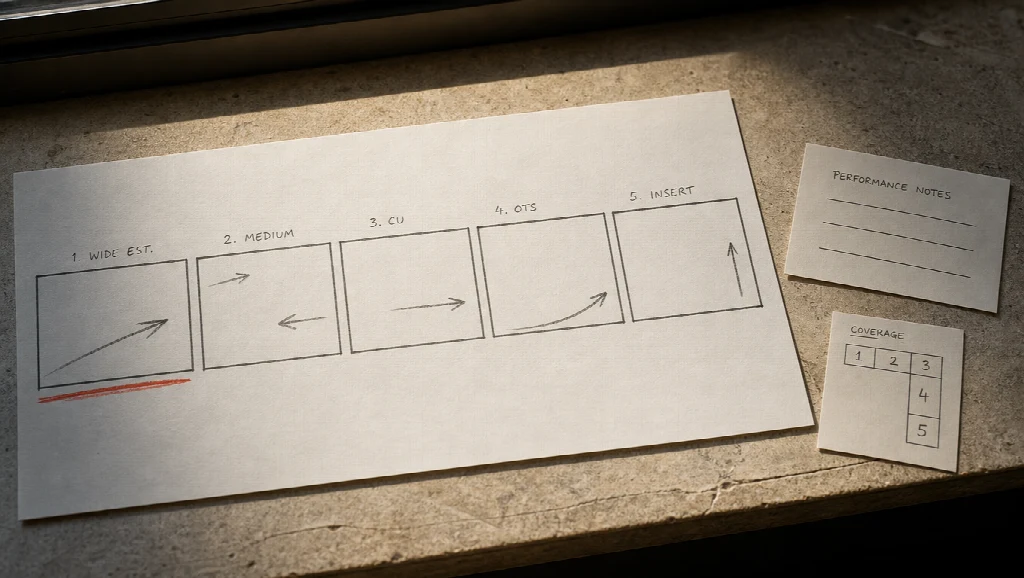
A platform (or studio workspace) is where you plan coverage, boards, performance notes, and revisions. A model is the engine that renders a beat once the brief is ready. Ranking a model next to a full production desk as if they were the same product category confuses the buy decision — and it leads teams to expect one generate button to behave like a film crew.
This guide ranks the best AI video generator setups for filmmaking in 2026, with platforms first. Frontier models such as Seedance 2.5 and Wan 3.0 appear where they belong: as execution layers you route to inside a directed pipeline.
How we ranked (platforms vs models)
Platform / workspace criteria
- Director-led path (story → boards → camera / performance → scenes)
- Multi-scene memory and replaceable takes
- Fit for short films, brand films, and cinematic proofs
- Room to choose or swap generation engines
Model criteria (separate lane)
- Length and continuity for a cinematic beat
- Reference control (identity, props, audio, documents)
- How cleanly it accepts a directed brief from a studio desk
Best filmmaking platforms at a glance
| Rank | Platform / setup | Filmmaking job |
|---|---|---|
| 1 | Topview Film Studio | Best overall AI film desk |
| 2 | Premium look labs (Runway / Veo-class) | Best single-scene polish tests |
| 3 | Motion-first generators (Kling-class) | Best physics / action inserts |
| 4 | Concept still tools + motion later | Best world-building before video |
| 5 | Fast draft “story clip” apps | Best napkin tests only |
Frontier models are listed after the platform ranking — not as competing “apps” in the same table.
1. Topview Film Studio — best overall AI filmmaking platform
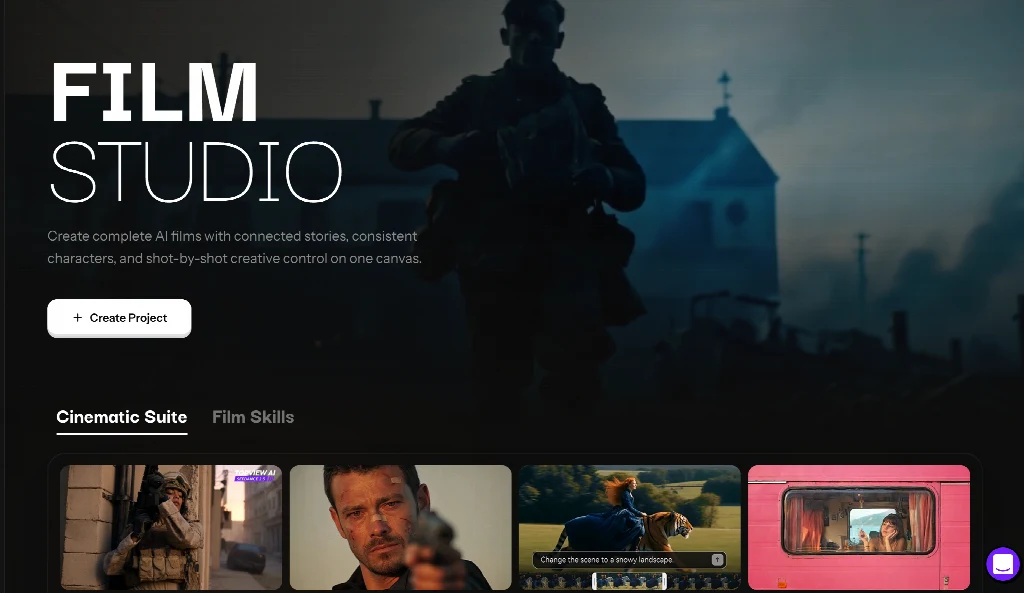
If the deliverable must cut like a short film, you need a desk that enforces film order before credits burn.
Film Studio is a cinematic production workspace: story development, storyboards, camera planning, performance direction, and scene generation while you stay director. That is platform work — continuity, coverage language, and take management — not “which diffusion checkpoint looks coolest today.”
Best for: multi-scene shorts, brand films, hero sequences, client proofs. Pros: directed workflow; boards and camera intent before generate; project memory. Cons: unnecessary if you only need a five-second hook.
Inside a Film Studio-style path, you still pick a model per beat. Two strong options on Topview’s wider stack are covered below as engines, not as rival platforms.
2. Runway / Veo-class platforms — best premium look labs
These products are strongest when filmmaking starts with a visual ambition question: lighting language, camera energy, “does this feel expensive?”
Best for: mood tests, polished one-scene concepts, agency look exploration. Pros: refined output aesthetics. Cons: you usually bring your own boards, cast locks, and editorial system if the piece has more than one scene.
3. Kling-class motion platforms — best action and physics inserts
Action filmmaking often fails on cloth, impact, and body mechanics. Motion-forward generators help when you need a chase insert or physical beat inside an otherwise directed cut.
Best for: dynamic inserts, not full act structure. Pros: motion language. Cons: weak substitute for story continuity across a whole short.
4. Concept art tools (then motion) — best pre-production identity
Many AI “films” fail because nobody locked the world. Still-image platforms remain valuable for character sheets, location bibles, and palette decisions before any video model runs.
Best for: previsual identity. Cons: not a complete video generator on their own.
5. Fast draft apps — best disposable tests
Lightweight story-clip apps help reject bad ideas in minutes. For filmmaking, treat them as napkins: useful early, dangerous if you publish orphans as if they were directed scenes.
Model lane: where Seedance 2.5 and Wan 3.0 fit
Once the platform job is clear, filmmakers still need engines for the expensive seconds. Here the comparison is model vs model — length, references, and brief style — not “model vs Film Studio.”
Seedance 2.5 — longer production beats with dense AV references
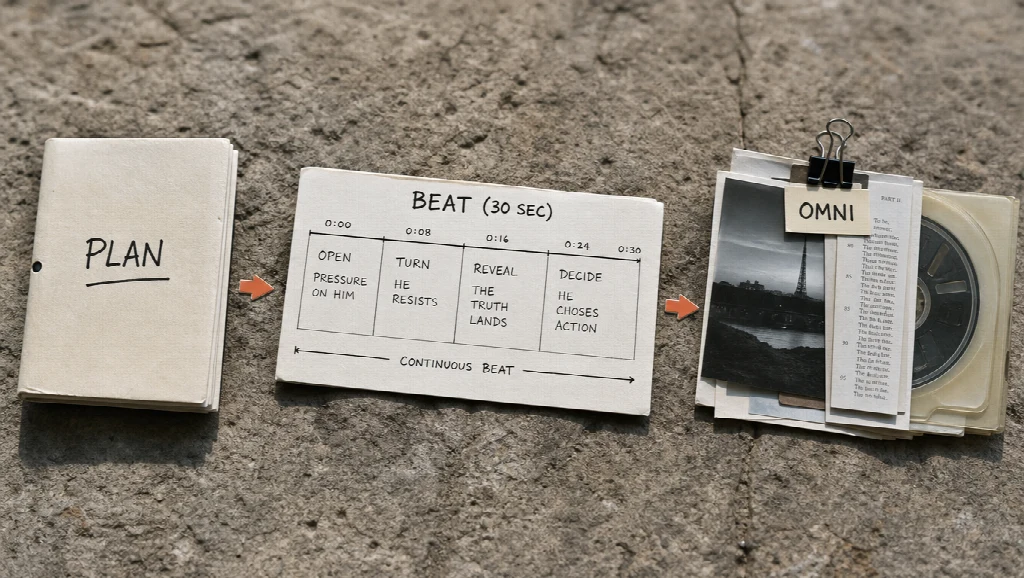
Seedance 2.5 is a multimodal video model for coherent clips up to about thirty seconds, guided by text plus image, video, and audio references, with timing and storyboard-friendly direction. It is not a studio suite; it is the render engine you call when a directed beat needs room to establish, prove, and resolve without stitching five short orphans.
Use when: the board is approved and the beat needs length + a fat reference kit. Do not use when: you still have no shot list, cast lock, or scene objective.
Wan 3.0 — omni-reference story sequences
Wan 3.0 is also a model, not a platform. It is positioned for native storytelling toward thirty seconds with omni-reference control across text, images, video, audio, and extended document or webpage context, plus smart-duration habits and audiovisual impact. Choose it when the brief’s source of truth lives in a pack — including docs or pages — and the sequence must keep identity, props, space, and sound aligned.
Use when: multimodal / document-led narrative turns need one connected pass. Do not use when: you only need a quick unlabeled vibe clip.
Quick model routing (after the desk is set)
| Beat type | Prefer |
|---|---|
| Long commercial or cinematic hold with many AV locks | Seedance 2.5 |
| Omni-reference story turn with docs/pages in the pack | Wan 3.0 |
| Structure, boards, camera, performance, take library | Film Studio (platform) |
A filmmaking stack that does not mix categories
- Plan and direct in a film platform (Film Studio first on this list).
- Route long reference-heavy production beats to Seedance 2.5.
- Route omni-reference narrative turns to Wan 3.0.
- Borrow look labs and motion tools for inserts — not as the whole movie.
Judge success with film questions: Can a stranger follow the objective? Do shots feel ordered on purpose? Does the lead still match after two scene changes? Can one failed take be replaced without regenerating the project?
Conclusion
The best AI video generators for filmmaking are systems, not demos.
Rank platforms by whether they help you direct. Rank models by whether they can execute a directed beat. Film Studio leads the platform list for cinematic production. Seedance 2.5 and Wan 3.0 earn model-lane seats for longer, reference-controlled story beats — each for a different brief style.
Keep those categories straight, and AI video starts cutting more like film and less like a clip lottery.