
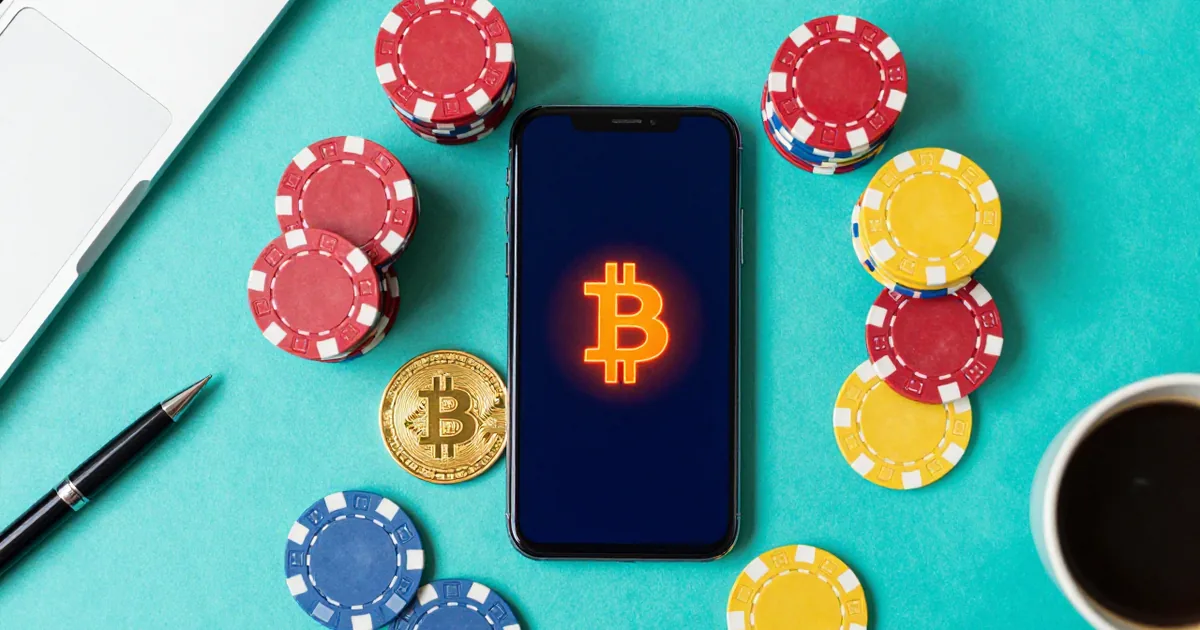
Paying for poker used to mean a card, a bank transfer or an e-wallet. Now plenty of people send some Bitcoin and are at a table ten minutes later. That part is easy. The rest takes a bit of homework, and most of it has nothing to do with crypto. Hand rankings, picking a decent room, keeping your bankroll alive through a bad week: none of that changes because you paid in coins. Below is a rundown of what’s worth knowing before you put real money on the table.
Why people switch to crypto
Speed is the main reason. A deposit usually shows up within minutes, and a cashout can beat a bank wire, although every room has its own processing times and ID rules. Network fees are often lower than what cards or international transfers cost. If you grind low stakes, that adds up over a month. Some players also like not handing card details to a gambling site. Don’t mistake that for anonymity, though. Plenty of rooms still ask for ID before a large withdrawal, and they’re entitled to.
Then there are people whose banks simply decline gambling payments. Crypto gets around that, but it won’t make a site legal where you live. That gets its own section further down.
Start with the hands
Strategy is pointless if you can’t tell what beats what. In Texas Hold’em, the most popular format, every player gets two private cards and five more are shared on the board. You build the best five-card combination out of the seven. If you’re new, spend an evening on the ranking of poker hands. That’s where the early, expensive mistakes come from, like paying off a big bet with a flush when the board already shows a full house.
The order of hand ranks runs from royal flush, straight flush and four of a kind down through full house, flush, straight, three of a kind, two pair, one pair and high card. Memorising it takes ten minutes. The useful part is getting a feel for how often each one appears. Pairs are everywhere. Full houses are rare. Once that sinks in, folding stops feeling like giving up.
Position comes next. When you act last, everyone else has already shown their intentions, and that’s a real edge. Most solid players stay tight from early seats and loosen up as they get closer to the dealer button.
Cash games or tournaments?
The two formats feel very different, and the choice affects how you manage your money.
| Feature | Cash game | Tournament |
|---|---|---|
| Chips | Equal real money | Tournament chips only |
| Leaving | Whenever you like | When you bust or win |
| Cost | Whatever you put on the table | Fixed buy-in |
| Payouts | Your stack is yours | Only top finishers are paid |
| Swings | Smaller | Bigger |
| Suits | Steady, patient players | People who can handle long dry spells |
If you can’t decide, start with cash games at small stakes. Losing a few of them teaches you more than one expensive tournament bust.
Picking a BTC poker room
If you’re going to play btc poker, choose the room as carefully as your starting hands. Some sites are built around crypto from the start, but they differ in the details. There are four things to look at before you put any money in.
Coins and networks. Bitcoin is a given. See whether the room also takes stablecoins or cheaper networks, and read which network each deposit address uses. Sending funds over the wrong one is a classic way to lose them for good.
Withdrawals. Look at minimum amounts, processing times and verification steps. If they’re explained plainly before sign-up, that’s a good sign. If you have to dig for them, it isn’t.
Traffic. A full lobby at midnight is no use if you play at 3 p.m. Check how busy your stakes are at your hours.
Support. Ask a simple question before you put money in. How fast and how clearly they answer tells you plenty about what happens when something goes wrong.
Bankroll when the money moves
Poker already comes with variance. Playing well doesn’t stop a losing streak from lasting weeks. Put that in a currency that can swing several percent in a day, and your results get even noisier. You can win at the tables and still end the month down because of the price.
A few habits keep things under control:
- Decide how much you can afford to lose and treat it like the price of a night out.
- Keep that money away from your savings.
- Pick stakes where ten buy-ins lost in a row wouldn’t hurt.
- Don’t move up after one hot session.
- After a good run, move part of the win into a personal wallet or a stable coin, so a price drop can’t eat the profit.
Bonuses and codes
Rooms push deposit bonuses, rakeback and tournament tickets, and a code can unlock some of them. What an offer actually gives you depends on its terms, not the headline. How much do you have to play before the bonus turns into cash? When does it expire? Which games count toward it? For a closer look at how one code works, read more before you claim anything.
Check the law where you live
Online gambling rules vary a lot from country to country. In some places offshore poker sites are illegal for local players, and in others they sit in a grey area. Paying in crypto doesn’t change that. Look up your local rules before you register, and never play with money meant for rent, food or bills.
Cap how much you deposit and how long you play, and step away now and then. When you notice you’re tilting, step away. If poker stops being fun or starts causing stress, talk to a support organisation in your country.
Conclusion
Crypto gets you to the table faster, and that’s about all it does. Whether you leave with more than you came with still depends on the usual stuff: how well you know the hands, how sensibly you size your bankroll, and whether you bothered to read the bonus terms. Look up the law where you live before you register. A deposit going through proves nothing about that. And when the session starts going sideways, close the tab. The money will still be there tomorrow, as long as you didn’t gamble what you couldn’t spare.