
The global football calendar runs on European time. Premier League matches kick off on Saturday and Sunday afternoons in London, La Liga plays late into Spanish evenings, and Champions League fixtures start in the evening Central European Time. For fans in Uganda, those schedules create a different rhythm altogether.
Uganda sits hours ahead of the UK. That time gap reshapes how people here experience the game. A Saturday afternoon kickoff in England arrives in the early evening in Kampala, right when the working day ends. A midweek Champions League match that starts late in the evening in Madrid lights up screens here late at night.
When football fits into daily life
Following football from another continent always involves compromise. Supporters in Asia wake before dawn to catch European matches live. Fans in the Americas stay up past midnight or settle for highlights the next morning.
Most Ugandans work standard daytime hours. Morning and early afternoon matches in Europe clash directly with that schedule. A midday kickoff in London means mid-afternoon here, right in the middle of the workday.
Evening kickoffs solve that problem. The English Premier League’s weekend schedule puts most matches in the afternoon and early evening UK time, translating to evening hours in Kampala. Those hours catch people after work, at home or in social spaces where a television runs.
Late European fixtures create a different trade-off. Late evening games in Spain start in the early hours of the morning here. That suits night owls and weekend viewing when staying up late carries no penalty the next morning.
The practical side of following games
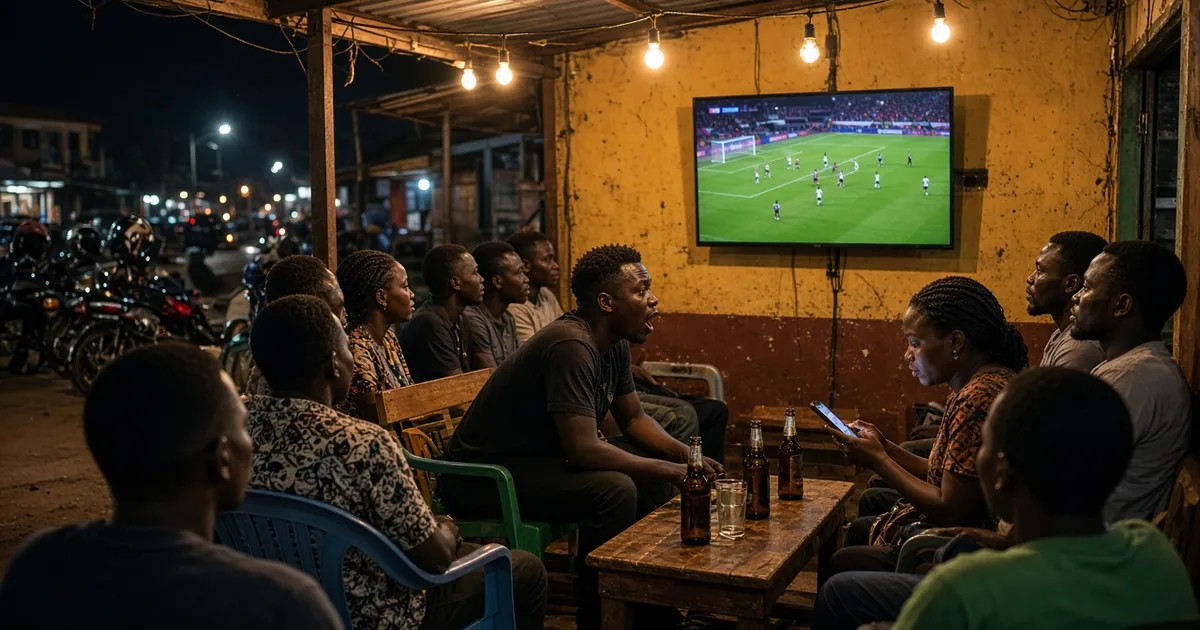
Access shapes viewing habits as much as scheduling does. Many Ugandans watch live football in communal settings: local bars, viewing centres, friends’ houses with satellite or other broadcast services.
Evening hours work because that’s when people gather anyway. An early evening kickoff gives time to finish dinner, meet up with friends, and settle in before the whistle blows. Venues fill up, conversation flows, and the match becomes a shared event rather than a solitary one.
Betting platforms have adapted to these rhythms. The period before evening kickoffs sees more engagement as people check odds and place wagers. When matches fall during working hours, that pre-game window shrinks.
The same pattern plays out with in-play betting, which requires watching the match unfold. An evening game allows for that kind of sustained attention. A mid-afternoon fixture during the workweek makes live betting impractical for many punters. Sites like gsb.ug operate around the clock, but activity naturally clusters around match times when people can actually watch.
Why European broadcasters don’t think about East Africa
Television rights drive match scheduling in Europe. Premier League fixtures spread across the weekend to maximise broadcast revenue. Domestic audiences in the UK get priority, followed by large Asian markets where vast numbers of potential viewers live.
The region’s population and media market can’t compete with Asia’s scale or Europe’s home advantage. Broadcasters optimise for their biggest audiences, and scheduling follows. The fact that many results work well for Ugandan time zones is coincidence rather than design.
Spanish football illustrates the gap. La Liga traditionally schedules matches late in the evening to suit Spanish habits and South American viewers. For Uganda, it means the early hours of the morning.
How the African football calendar compares
Local and continental African football operates on a different clock. AFCON matches, World Cup qualifiers involving African teams, and domestic league games all schedule around African time zones. An evening kickoff in Kampala means evening local time, not a conversion from another continent.
That directness changes the experience. Fans don’t calculate time differences or plan around awkward hours. Betting markets for African football reflect that accessibility, with more casual punters comfortable wagering on games they can watch without adjusting their schedules.
European football still draws considerable attention in Uganda’s betting markets, largely because of familiarity and media saturation. The Premier League, La Liga, and Serie A dominate sports coverage and conversation.
What works and what doesn’t
The current landscape favours Ugandan football fans more than it disadvantages them. Weekend afternoon matches in Europe arrive at good local hours. Midweek evening fixtures in European competitions run late but remain watchable for dedicated supporters.
Betting naturally gravitates toward accessible matches. Games that air during Uganda’s prime evening hours get more attention and more action from punters. Fixtures scheduled in the middle of a weekday afternoon won’t generate the same interest, not because of the teams involved but because of when they’re played.
Platforms that serve Ugandan players understand this rhythm even if European leagues don’t. The betting market follows the audience, and the audience follows the clock.
Betting is for adults over 18 and should always be done responsibly.