
When personal parcels and household items travel inside a consolidated container, they must pass through Polish customs before final delivery. Understanding the process of shipping container to Poland helps prevent documentation errors, inspections, and delivery delays.
A container may hold parcels from several customers, but each shipment is usually identified separately through labels, packing records, and customs declarations. Customs authorities do not treat the entire load as one unidentified shipment. They review the information connected to each parcel or group of personal belongings and determine whether duties, taxes, restrictions, or additional checks apply.
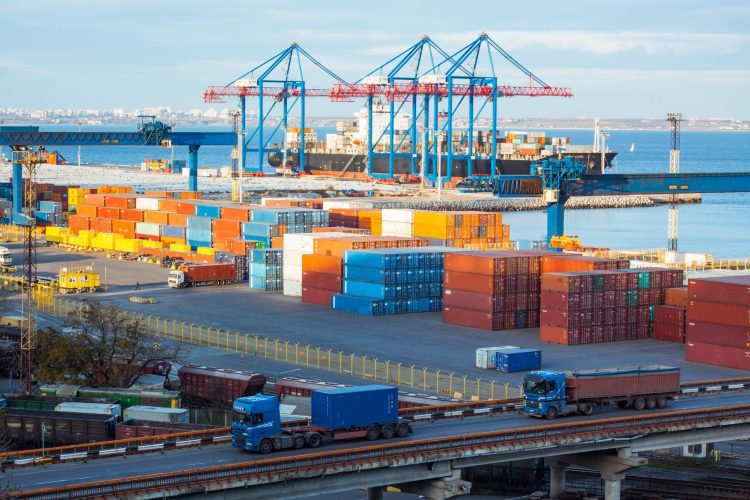
Main Stages of Customs Clearance in Poland
Customs clearance begins before the container reaches its destination because the carrier and customs representative need accurate shipment data in advance. The process generally includes the following stages:
- document review — customs officers examine declarations, shipping records, sender and recipient details, and descriptions of the enclosed goods;
- arrival registration — the container is reported to the appropriate customs office after reaching the port, terminal, or bonded facility;
- risk assessment — authorities evaluate the shipment information and decide whether documents alone are sufficient or a physical inspection is required;
- duty and tax determination — officials establish whether import charges apply based on the goods, their value, purpose, and available exemptions;
- release authorization — once all requirements are satisfied, customs permits the parcels to leave the controlled area and continue to their recipients.
Not every parcel is opened, but customs may inspect selected boxes when descriptions are unclear, values appear inconsistent, or restricted goods may be present. Clear paperwork and careful packing make the review easier and reduce the likelihood that officials will request additional information.
Documents and Information Required for Personal Parcels
The customs declaration is one of the most important documents for a parcel traveling inside a container. It should describe the contents in clear, specific language. General terms such as “personal items,” “gifts,” or “miscellaneous goods” may not provide enough detail when the shipment includes clothing, electronics, kitchenware, books, toys, or household accessories.
Senders should also state a realistic value for the contents. Even used belongings need a reasonable declared value because customs authorities use this information when reviewing eligibility for exemptions and calculating possible charges. Declaring an unrealistically low amount can lead to questions, document requests, or a reassessment by customs.
The recipient’s full name, address, telephone number, and identification details must match the information provided to the carrier. Differences in spelling or incomplete contact data can delay communication. If customs needs clarification, the recipient or customs representative must be reachable and able to provide the requested documents promptly.
Receipts or purchase confirmations may be useful for new goods, electronics, branded products, or items with a higher value. For used household belongings, a detailed packing inventory may be more relevant. People relocating to Poland may also need evidence showing that the shipment contains personal property connected with a genuine move rather than goods intended for resale.
Certain items require extra attention. Food, medicine, alcohol, tobacco, plants, animal products, weapons, and some electronic devices may be restricted or subject to special rules. A carrier can provide general guidance, but the sender remains responsible for describing the contents accurately and avoiding prohibited articles.
What Happens After Customs Releases the Shipment
After customs grants release, the container or its individual parcels can leave the bonded area. The shipment then moves to a warehouse or distribution point, where workers separate the parcels, confirm labels, and prepare them for domestic transportation. This stage is operational rather than part of customs clearance, although customs instructions may still affect how particular boxes are handled.
The recipient may receive a delivery update once the parcel enters the local network. Tracking information can show that customs processing has ended and that the shipment is moving toward the final address. Delivery time after release depends on the destination, warehouse schedule, documentation status, and whether the recipient must complete any remaining formalities.
If customs requests additional information, the parcel remains under control until the issue is resolved. The recipient may need to provide a clearer inventory, proof of value, identification, or documents supporting a relocation exemption. Fast responses are important because storage procedures and terminal schedules can affect the next available delivery movement.
Careful preparation is the most effective way to avoid complications. Each box should have a clear inventory, secure packaging, and contact details that match the declaration. New purchases should be separated from used belongings when possible, since customs may evaluate them differently. Copies of important documents should also remain available until the parcel is delivered.
For families sending gifts, purchases, souvenirs, electronics, or personal belongings from the United States, professional support can simplify the process. Polonez provides international parcel delivery, door-to-door service, shipment tracking, customs declaration assistance, telephone consultations, and express delivery options to Poland, helping customers manage each stage from dispatch to final delivery.