
For much of the past decade, no car company was as indecisive as Toyota. Tesla made the news, BYD grew faster than anyone anticipated, and traditional European brands tried to electrify everything in sight.
First, it relied on hybrids; second, it largely kept its work on the solid-state battery under wraps; and finally, it waited and watched. Some even called Toyota stubborn. Others called it slow, but today, it increasingly looks like the company may simply have been playing the long game.
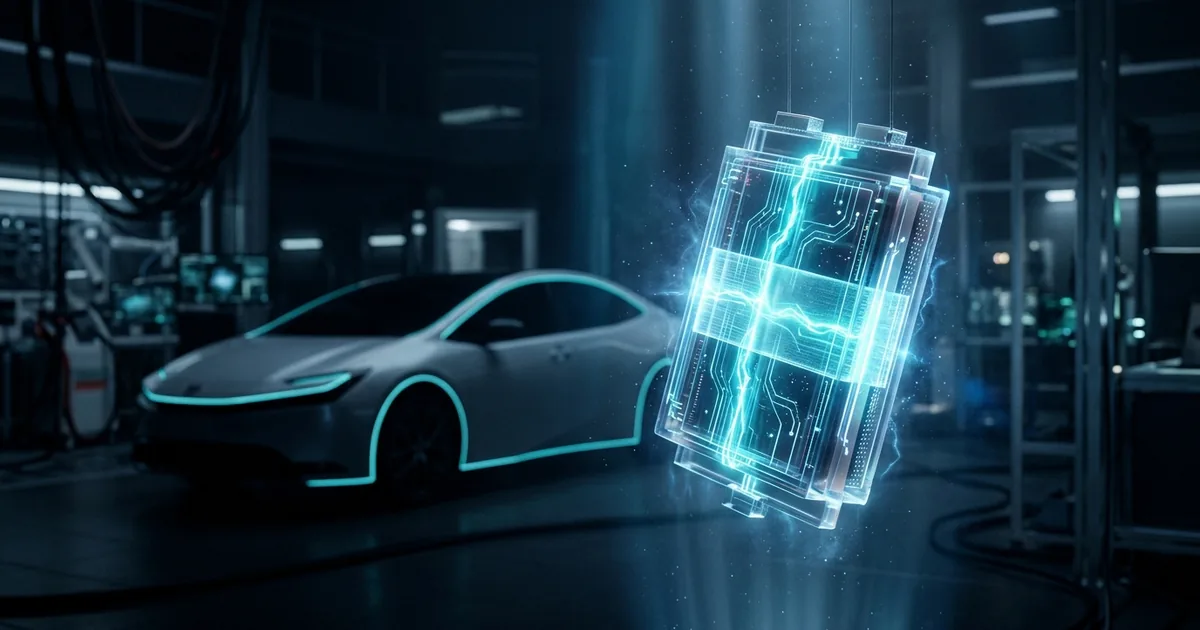
Speaking at the Japan Mobility Show, the head of Toyota’s Carbon Neutral Advanced Engineering Development Centre explained what he had been working toward all along: a solid-state battery (SSB) capable of retaining 90% of its capacity after 40 years. Current lithium-ion batteries reach that limit at roughly 10 years. When Toyota says it aims to make batteries last 40 years, it’s not a slight improvement: that would quadruple the lifespan, potentially intensifying the EV race and affecting BYD shares, Tesla stock performance, and the outlook for other competitors.
Today, the average car on U.S. roads is 11 years old, according to the Bureau of Transportation Statistics. A 40-year battery doesn’t just outlive the warranty; it outlives the car. The company’s own engineers are already weighing the implications: that one SSB pack could be transplanted from vehicle to vehicle across multiple generations during its lifetime.
If one SSB is equivalent to four normal packs, Toyota says the carbon output from production could be reduced by 75%. The refrain that has dogged EVs for years — that they require huge batteries and huge amounts of mining — is now genuinely challenged.
The Used EV Problem Nobody Discusses Sufficiently
The secondary market for electric vehicles is awful — not because of vehicle quality, but because battery life isn’t verifiable to most used-car buyers. They don’t know how many cycles it has gone through. They don’t know how it was charged. They don’t know how much capacity is left. Buyers price it down, dealers settle in, and the market stagnates.
A 40-year battery shifts that paradigm. Long life becomes a verifiable feature, not a marketing pitch written on a brochure. For the markets where secondhand vehicles dominate sales — much of Africa and large parts of Southeast Asia and Latin America — this isn’t a niche issue.
Longevity is the headline, but the key numbers are equally impressive. Toyota’s SSB promises a range of more than 1,000 km (621 miles) on a single charge and charging from 10% to 80% in just 10 minutes. The pack will be significantly smaller and lighter than current lithium-ion equivalents.
For the supply chain, Toyota has already partnered with Sumitomo Metal Mining to scale up cathode materials — directly addressing one of SSBs’ Achilles’ heels: degradation during repeated charging cycles. Idemitsu Kosan has a lithium sulfide plant under construction with a capacity of 1,000 tonnes, with production slated for 2027.
40 years is a goal, not a guarantee. Kaita was clear: “This is the potential we are aiming for”. Toyota has been late before: back in 2017, it set 2025 as the SSB’s original commercialization target — a deadline it has since missed. This explains why Toyota Motor’s stock did not jump following this announcement, though it continues to occupy the largest block in its sector on the Japanese stock heatmap.
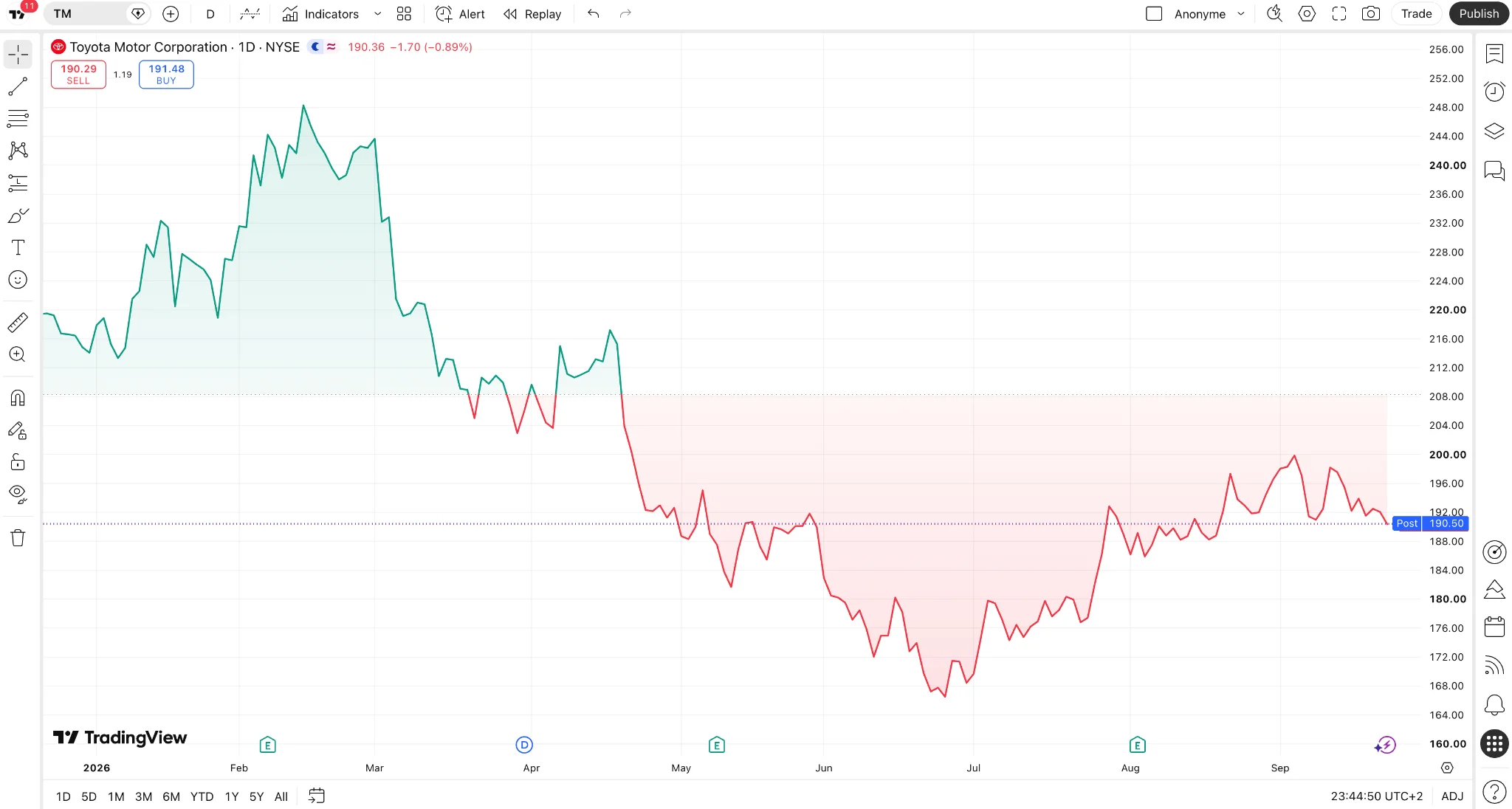
Of course, the current 2027 window is already a revised timeline. Chinese competitors, such as BYD and CATL, are reportedly one to two years ahead with their own solid-state battery programs. Early units are also expected to appear first in high-end vehicles rather than mass-market models.
In the past, Toyota has dedicated years to building vehicles that just don’t die. That reputation, though, never translated into the manufacturer’s EV offerings. A battery that is meant to outlive the vehicle itself is not just some tech story — it’s Toyota attempting to bring its most durable brand feature to the future of the EV industry. If the technology delivers even part of what Toyota is targeting, every other brand may have a new headache to worry about.