

With gaming and interactive media prominent across entertainment, it’s no surprise that marketers look to them for inspiration. Entrepreneurs know that every marketing proposition is a game of give and take. They also figured out long ago that offering something during the marketing – such as a free sample – went even further.
This is still the case today, if not even more so in the internet age where options are abundant and up-front authenticity is often rewarded.
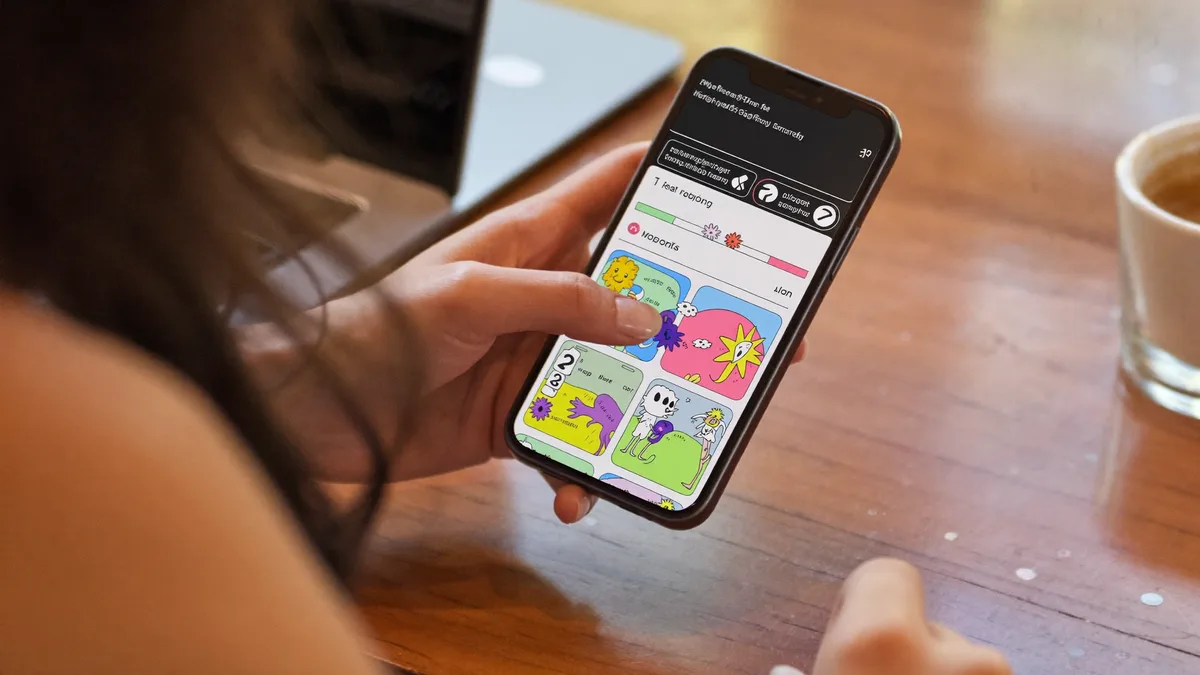
Interactive Onboarding Lessens Friction
When onboarding, marketers have two goals: find the right audience and cut down on friction. By friction, they are often referring to pain points and other awkward processes that make users less likely to sign up. Assuming an online business is doing most things right, a lot of those pain points actually come from boredom rather than chasing the user away. For example, the time a user spends waiting drastically increases their chance of bouncing off a sign-up page. That’s why page speed is important and always will be for an online or digitally integrated business.
One way to reduce boredom is to increase interactivity. For instance, making the act of onboarding a multi-step process with a progress tracker, rather than an all-in-one page followed with a long loading time. This is a great way to split long sign-up forms into more digestible pieces. For those skilled in development, you might insert an actual game for users to play if they have to wait. A classic example of this is the dino run game Google puts onto its No Internet error pages.
Interactive (and Reactive) Customer Engagement Retains Users
Like marketing, gamification doesn’t have to stop once a new user is secured. Other forms of gamification are geared toward keeping current users interested and active. Often, this is done by serving reactive offers informed by what the user has been doing on-site.
For those selling products, it’s best represented by giveaways and social media competitions, plus pre-emptive offers based on what the user has liked in the past. To target users effectively, marketers fall back on complex datasets that can be hard to wrangle. This has led to AI customer engagement where AI automates away busywork by parsing massive datasets and taking user-specific context into account. As a result, marketers can achieve a level of personalisation that wasn’t possible just a few years ago, serving tailor-made deals and interactive prompts that the user would actually want to click.
For services, the best kind of gamification barely registers as such. Some of the best examples here include reflective campaigns like Spotify’s Spotify Wrapped. It essentially collates a leaderboard of the user’s most-listened-to music, naturally prompting them to share their results with peers, and repeating the process at the end of each year. It refines their on-platform activity into a simple leaderboard and a set of insights, while the consequent sharing of results also becomes a social bonding game between users.

Gaming and interactive, personalised media are only going to get more refined as the years go on. In response, there’s no doubt we will see new and innovative ways that marketers gamify onboarding and customer retention, especially if AI makes it easier to manage large datasets or create game-like systems in real time.