
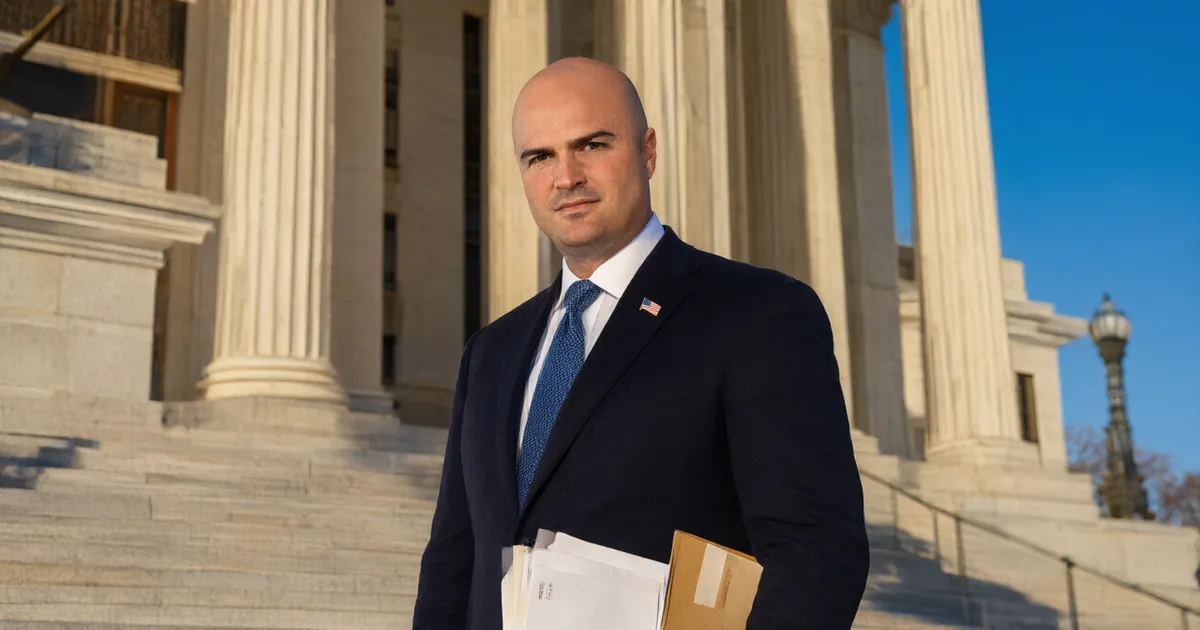
Aaron Reitz, U.S. attorney, Monday
“I will continue my preliminary inquiry unfazed,” into whether members of Congress “have unlawfully stepped outside the legitimate legislative purpose of their planned committee activities.”
Todd Blanche, attorney general, last week
There are “no ongoing criminal investigations into words that incoming senators or congressmen have said.”
Both statements came from the Justice Department within days of each other, and you cannot hold both. Reitz, who runs the Southern District of Texas, has told Sens. Richard Blumenthal, Elissa Slotkin and Elizabeth Warren and Rep. Robert Garcia to preserve their records, Garcia’s letter going out Monday. Preserving records is a step prosecutors sometimes take before a criminal investigation, and the department says it routinely asks for it. Blanche says there is no such investigation.
Look at what each letter rests on. It is something the lawmaker said or wrote in public. Slotkin pledged to “go hard on accountability.” Warren said on Face the Nation that executives “better get ready for some investigations,” and Reitz’s letter to her says she is “eager to wield your future gavel like a tomahawk, hunting for the scalps of President Trump’s private associates.” Garcia posted “lawyer up.” Blumenthal wrote to Trump’s ballroom donors, as we reported.
The Blumenthal letter cites 18 U.S.C. sections 241 and 242. We read both. Section 241 covers two or more people who “conspire to injure, oppress, threaten, or intimidate any person” in exercising a constitutional right. Section 242 covers someone acting “under color of any law” who “willfully subjects any person” to a deprivation of rights, with a base penalty of up to a year. Neither mentions Congress, oversight or a request for a donor’s records. Texas A&M’s Jenny Carroll called it “a total misapplication of that law,” and the Project On Government Oversight’s Tim Stretton called the letters “meritless.”
We think the letters are what those experts say they are: a way to make a lawmaker think twice before speaking. A prosecutor with a case does not need a television clip. Reitz calls the bar complaint a watchdog filed Monday “harassing” and “frivolous,” and his reported deadline for Blumenthal falls at 6 p.m. Wednesday. Blumenthal’s answer was to order Reitz to preserve his own records.
In January Garcia is set to chair House Oversight. His first request should ask Blanche, under oath, which of those two statements is true.