
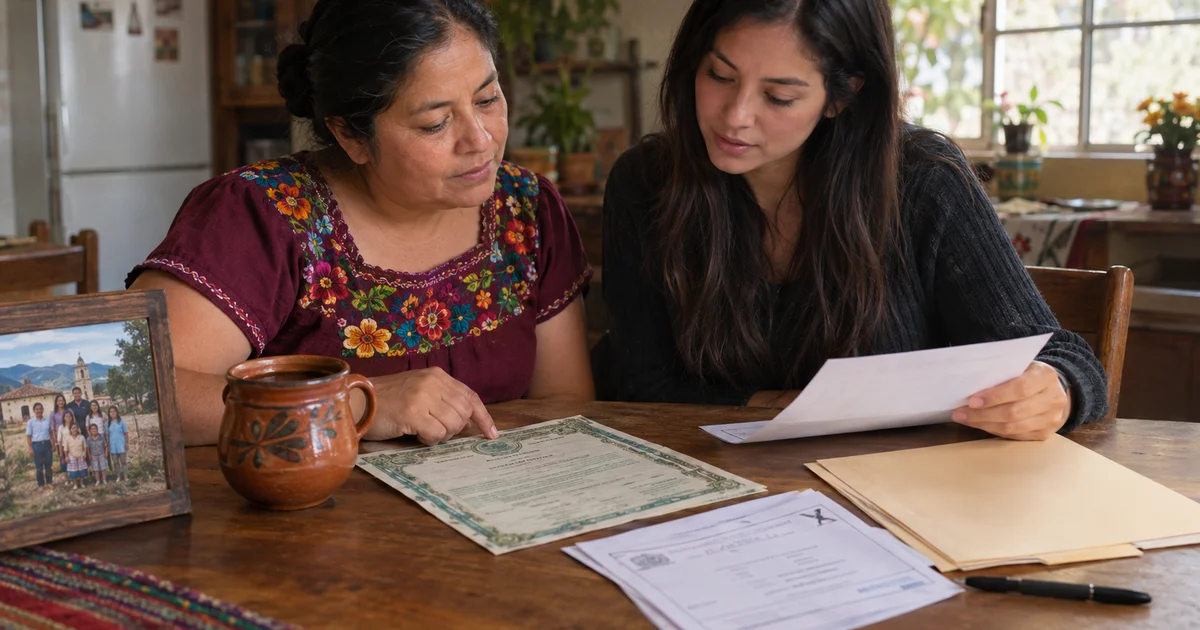
Growing up outside Mexico does not mean leaving your Mexican roots behind. Perhaps you spent summers visiting relatives, spoke Spanish at home, or learned family recipes from your grandparents. That connection may also come with a legal right to Mexican nationality.
If your mother or father is Mexican, documenting your nationality can open opportunities for your future. The process starts with understanding your eligibility, collecting family records, and registering your birth with Mexican authorities.
1. Who Qualifies for Mexican Citizenship Through Parents?
Under Article 30 of Mexico’s Constitution, people born abroad to a Mexican mother or father qualify as Mexican by birth. You do not need both parents to be Mexican. The Constitution also covers children born abroad to a naturalized Mexican parent.
For families exploring Mexican citizenship through parents, this means the process generally involves documenting nationality acquired by birth, rather than applying for naturalization. Having a Mexican parent who was also born abroad does not automatically exclude you under the current constitutional wording.
Start by locating your parent’s nationality documents. If their status or the dates involved are unclear, ask the consulate to review your circumstances before arranging an appointment.
2. Mexican Nationality and Citizenship: Understanding the Difference
People often use “nationality” and “citizenship” interchangeably, but Mexican law distinguishes between them.
Nationality establishes your legal connection to Mexico and can exist from birth. Citizenship concerns political rights and responsibilities. Article 34 specifies that Mexican citizens must be at least 18 and meet its requirement of an honest way of living.
A child can therefore hold Mexican nationality and obtain a Mexican passport before becoming a citizen in this constitutional sense. Birth registration documents nationality; it does not automatically complete separate procedures such as voter registration.
3. Documents Needed to Register Your Birth
Preparing your paperwork early makes the process easier. Your consulate’s checklist should guide you, but commonly requested documents include:
- Your foreign birth certificate showing your parents’ details.
- Your Mexican parent’s birth certificate or applicable nationality evidence.
- Official identification for the people involved.
- Additional family records when relevant to your circumstances.
Marriage certificates, death certificates, or documents explaining name differences may be needed. Translation, apostille, and legalization requirements can depend on where a document was issued and the procedure used.
Compare names, dates, and places across every record. A missing surname or inconsistent spelling is worth raising before your appointment. Keep your documents organized so you can quickly find whatever the consulate requests.
4. How to Register Your Birth at a Mexican Consulate
Begin with the official website of the Mexican consulate where you plan to apply. Read its birth registration instructions and follow its appointment process.
Confirm who must attend, especially if you are registering a child, applying as an adult, or have a parent who cannot be present. Special circumstances can require additional evidence.
Birth registration is free, and the first certified birth certificate is generally provided without charge. Additional copies carry a fee.
Allow time to resolve questions before making travel plans. Appointment availability and document review can affect your schedule. Before signing, carefully check every detail in the proposed birth record.
5. Getting Your Mexican Birth Certificate and Passport
After registration, your Mexican birth certificate becomes a key document for proving nationality. Store it securely and keep a digital copy for reference.
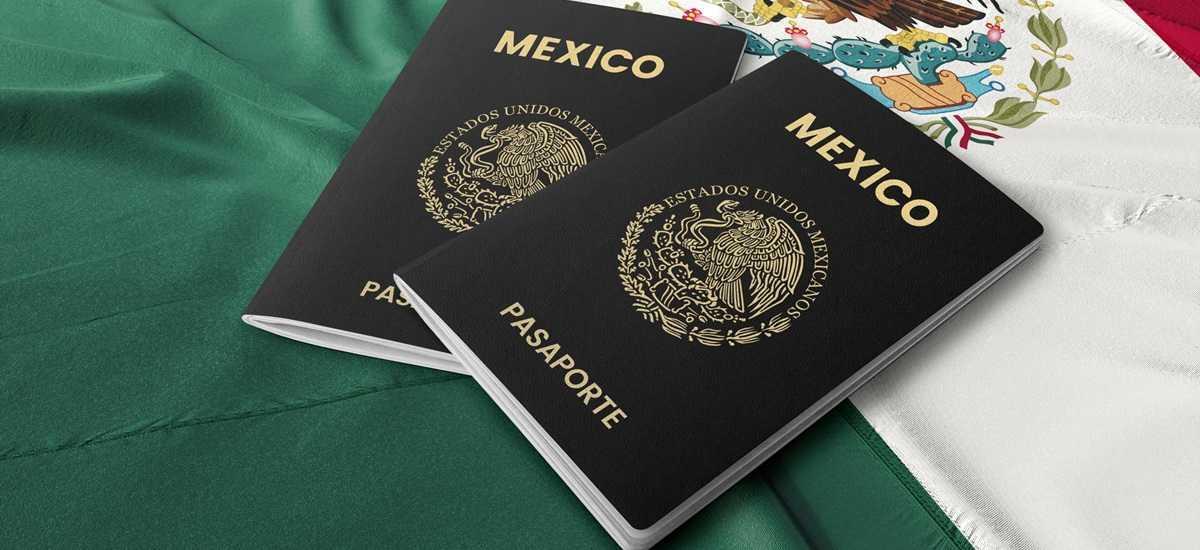
A passport requires a separate application. For an adult’s first passport, the requirements include proof of Mexican nationality, accepted identification, personal attendance, and payment. A consular birth certificate is an accepted nationality document.
Check your consulate’s current passport checklist before booking. Children have additional requirements, including parental consent procedures. Do not assume that completing birth registration means a passport will be issued at the same appointment.
6. Dual Nationality: Benefits and Responsibilities to Consider
Mexico protects nationality by birth against loss, allowing Mexican nationals by birth to hold another nationality. However, you should also check the rules of your other country.
For your family, documenting Mexican nationality may support future plans to live in Mexico or build closer ties with relatives. Before relocating, check the practical requirements for employment, education, healthcare, and identification.
Begin with one manageable step: gather your birth certificate and your parent’s Mexican documents. Those records turn a broad question about your heritage into a concrete process you can follow.